

Blood Thinner Interaction Checker
This tool checks if turmeric supplements with black pepper interact dangerously with your blood thinner. Always consult your doctor before taking any supplements while on blood thinners.
Risk Assessment
If you're taking blood thinners, combining them with turmeric supplements could put you at serious risk. Many people enjoy turmeric for its health benefits, but when mixed with blood thinning medications, this common spice can lead to dangerous bleeding. Let's break down exactly why this happens and what you need to do.
How Turmeric Affects Blood Clotting
Curcumin, the active compound in turmeric, reduces platelet aggregation and inhibits thromboxane production. This means it makes it harder for your blood to clot. When you're on blood thinners like warfarin, this effect becomes dangerous. The International Normalized Ratio (INR) measures how long it takes blood to clot. A high INR means increased bleeding risk.
Black Pepper's Role in the Danger
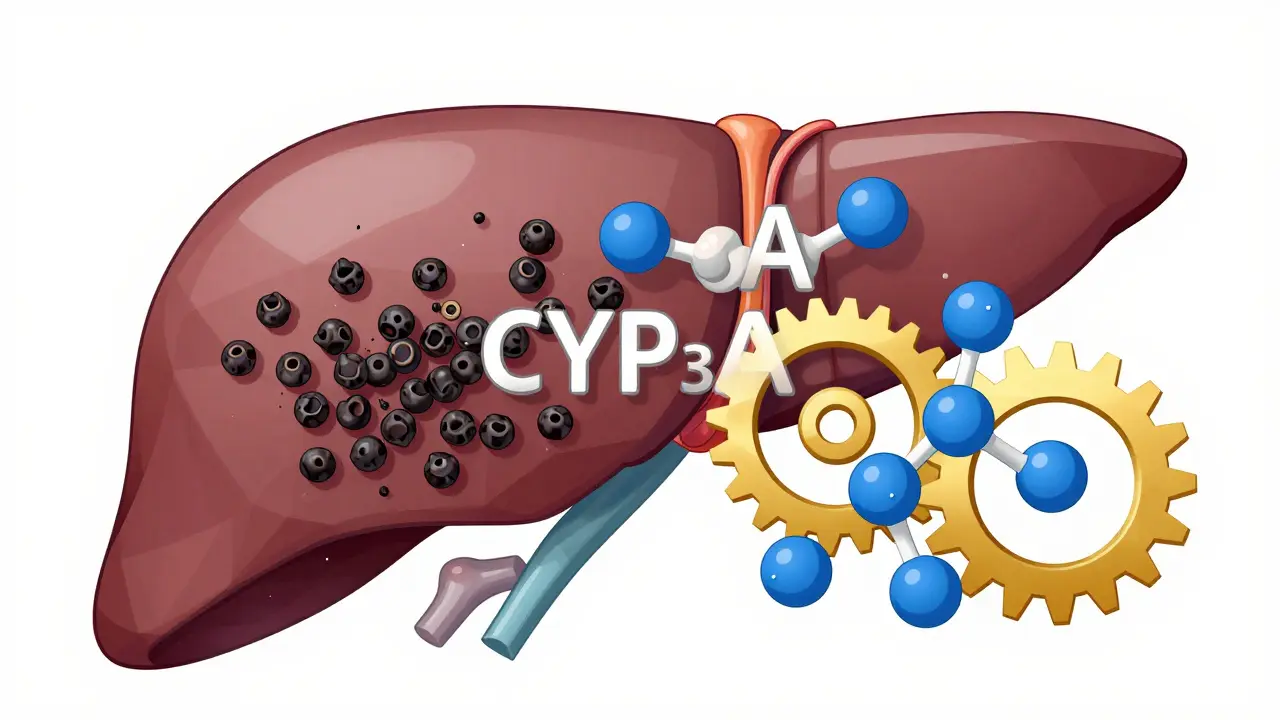
Piperine, the active compound in black pepper, increases curcumin absorption by up to 2,000%. This creates a 20-fold higher concentration of curcumin in your bloodstream. According to MDVIP's 2023 analysis, this overwhelms liver processing, leading to potential toxicity. Piperine also inhibits liver enzymes like CYP3A4 and P-glycoprotein, which break down medications. This means blood thinners stay in your system longer, increasing bleeding risk.
Which Blood Thinners Are Most Affected?
| Blood Thinner | Risk Level | Why? |
|---|---|---|
| Warfarin (Coumadin) | High | Narrow therapeutic index; turmeric can cause dangerous INR spikes |
| Clopidogrel (Plavix) | High | Turmeric increases blood levels, raising bleeding risk |
| Heparin | Moderate | Combining increases overall blood thinning effect |
| Aspirin | Moderate | Both inhibit clotting, compounding the effect |
| Direct Oral Anticoagulants (DOACs) | Variable | Some interactions documented, but less research available |
Real-World Cases of Danger
The Welsh Medicines Advice Service reported a case where a patient on warfarin had stable INR levels for years. After starting a turmeric supplement with black pepper, their INR spiked dangerously. In another documented case, a patient developed liver injury symptoms including yellowing skin and dark urine after using turmeric and black pepper supplements. Medical forums like HealthUnlocked show multiple reports of excessive bruising and bleeding after combining these supplements with blood thinners. A study published in the Journal of the American Medical Association found that 42% of patients fail to disclose supplement use to their doctors. This means many people on blood thinners may not realize they're at risk. For example, one user reported hospitalization after taking 'one teaspoon of turmeric supplement daily for three weeks' while on apixaban.

Dietary Turmeric vs Supplements
Eating turmeric in food is generally safe. The British Heart Foundation states that dietary turmeric (as a spice in meals) doesn't significantly affect blood thinners. However, supplements concentrate curcumin to levels that can interfere with medications. MedicineNet's 2023 guide advises avoiding turmeric supplements entirely if taking prescription blood thinners, but allows culinary use in moderation-typically no more than 1-2 teaspoons daily in food. Market analysis by Grand View Research shows that 'turmeric with black pepper' formulations represent 63% of the turmeric supplement market despite the known risks. The FDA's 2022 Dietary Supplement Product Database shows only 41% of turmeric supplements list warnings about blood thinner interactions on their labels, even though regulations require it.
What to Do If You're on Blood Thinners
If you're taking blood thinners, talk to your doctor before taking any supplements. Avoid turmeric supplements entirely. Check labels for black pepper extract. Your doctor may recommend monitoring INR more frequently. The Welsh Medicines Advice Service emphasizes that 42% of patients fail to disclose supplement use to their doctors, so always be honest about what you're taking. For warfarin users specifically, maintain consistent vitamin K intake (found in leafy greens) to avoid fluctuations in anticoagulation effect. The American Heart Association reports that approximately 2.2 million Americans take warfarin, making this interaction a widespread concern. ConsumerLab's 2022 analysis found that 30% of tested turmeric supplements contained lead levels exceeding safety limits, adding another layer of risk beyond drug interactions.
Can I use turmeric in cooking if I'm on blood thinners?
Yes, using turmeric in food is generally safe. The British Heart Foundation states that dietary turmeric (as a spice in meals) doesn't significantly affect blood thinners. However, supplements should be avoided because they concentrate curcumin to levels that can interfere with medications.
What symptoms should I watch for if I accidentally take turmeric supplements?
Signs of bleeding include unusual bruising, nosebleeds, blood in urine or stool, or prolonged bleeding from cuts. Liver damage symptoms include yellowing skin or eyes, dark urine, nausea, stomach pain, and extreme fatigue. If you experience these, stop the supplement immediately and contact your doctor.
Are there safe alternatives to turmeric for inflammation?
Yes. Omega-3 fatty acids from fish oil (under medical supervision) or ginger may offer anti-inflammatory benefits without the same interaction risks. Always check with your doctor before trying new supplements while on blood thinners.
How often should INR be checked if I take turmeric supplements?
The British Heart Foundation recommends INR monitoring every 4-6 weeks for stable patients on blood thinners. However, adding turmeric supplements may require weekly monitoring due to unpredictable effects. Never adjust medication doses without consulting your healthcare provider.
Why do some people say turmeric is safe while others warn against it?
The difference lies between dietary use and supplements. Eating turmeric in food (like curry) is generally safe because the curcumin concentration is low. Supplements, however, deliver concentrated doses that can overwhelm your body's ability to process them safely-especially when combined with black pepper. Always clarify whether someone is talking about cooking spice or pill-form supplements.