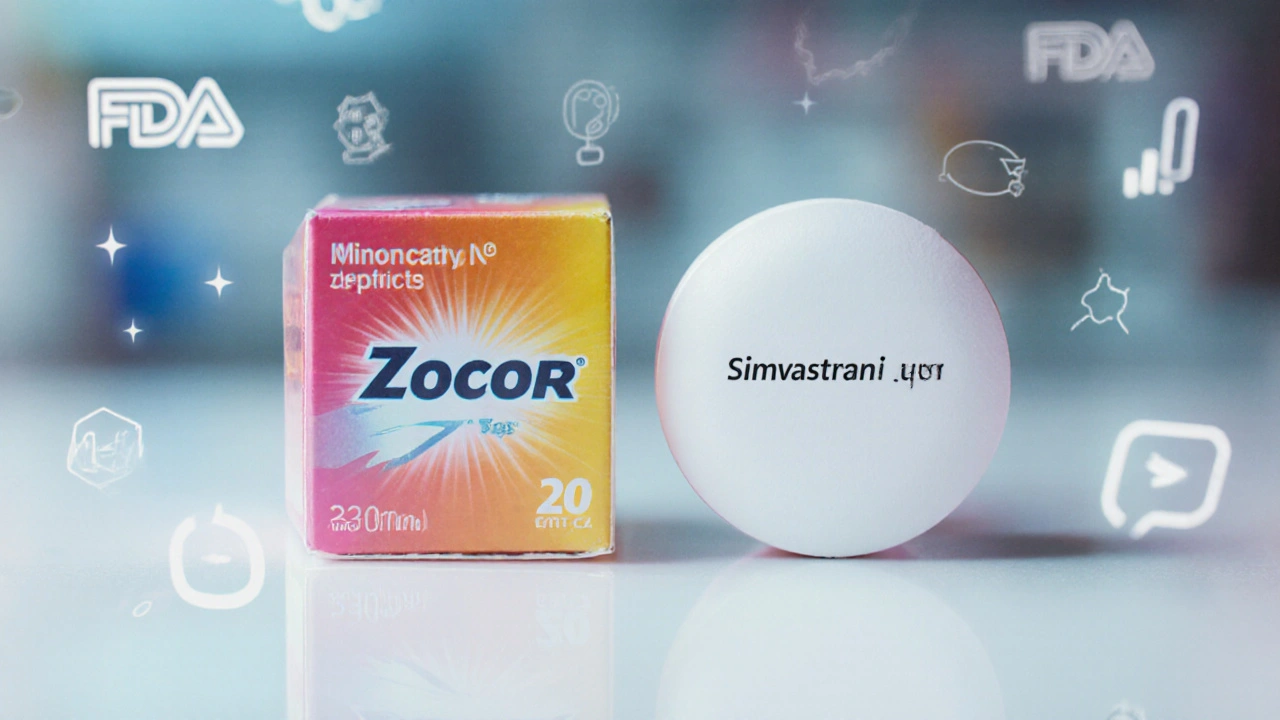

When you pick up a prescription, you might see two bottles on the counter: one with a familiar brand name, another with plain white labeling and no logo. The price difference is obvious - the generic is cheaper. But is it the same drug? For authorized generics, the answer is yes - completely and exactly.
What Exactly Is an Authorized Generic?
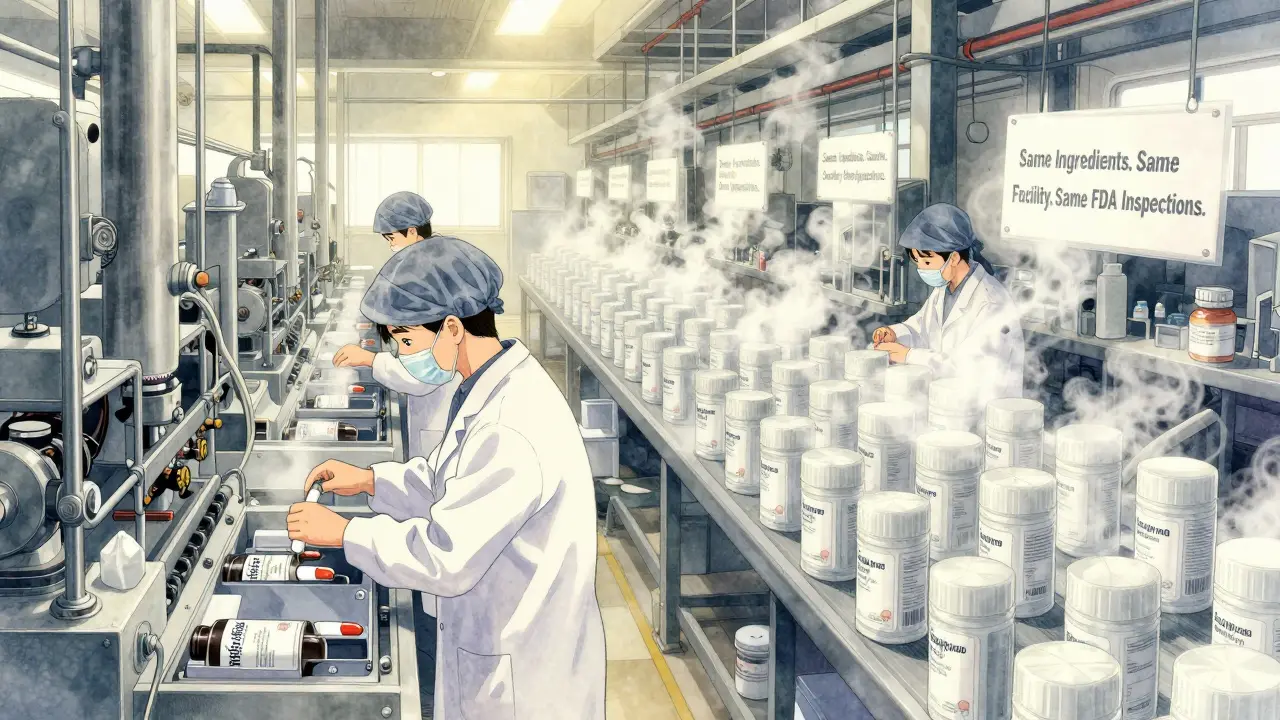
An authorized generic is not a copy. It’s not a knockoff. It’s the exact same pill, capsule, or liquid that comes in the branded box - just without the brand name on the label. The U.S. Food and Drug Administration (FDA) defines it clearly: it’s the brand-name drug, manufactured by the same company, using the same ingredients, in the same facility, under the same quality controls. The only difference? The packaging.
Here’s how it works: When a brand-name drug’s patent expires, the original manufacturer can launch its own generic version. They don’t need to reapply for approval because they’re selling the exact same product they already made for years. This is different from traditional generics, which are made by other companies and must prove they work the same way through bioequivalence studies. Authorized generics skip that step entirely - because they don’t need to.
Same Ingredients. Same Process. Same Results.
Think about your favorite pain reliever. The brand version has a specific shape, color, and coating. The authorized generic? It’s identical. Same active ingredient. Same inactive ingredients - the fillers, binders, and coatings that help the pill hold together or dissolve properly. Same manufacturing line. Same quality checks. Same FDA inspections.
Traditional generics sometimes change these inactive ingredients. That’s allowed by the FDA as long as the drug works the same way. But for some people - especially those with sensitivities to certain dyes or fillers - even small changes can cause issues like stomach upset or allergic reactions. Authorized generics avoid that entirely. If your body reacted well to the brand, it will react the same way to the authorized version.
A 2018 study published in PMC looked at over 5,000 patients who switched from brand-name drugs to generics. The researchers used authorized generics as their gold standard for comparison because they’re the closest thing to the original. The results? No meaningful difference in hospital visits, emergency room trips, or whether people stopped taking their meds. The only tiny uptick in ER visits with authorized generics? Likely due to confusion at the pharmacy, not the drug itself.
Why Do Authorized Generics Cost More Than Regular Generics?
If they’re the same as the brand, why are they cheaper? Because the manufacturer doesn’t need to spend money on advertising, fancy packaging, or maintaining a brand image. But why are they often $5-$10 more expensive than traditional generics? Simple: they’re still made by the original company. That means lower production volume, less competition, and sometimes higher distribution costs.
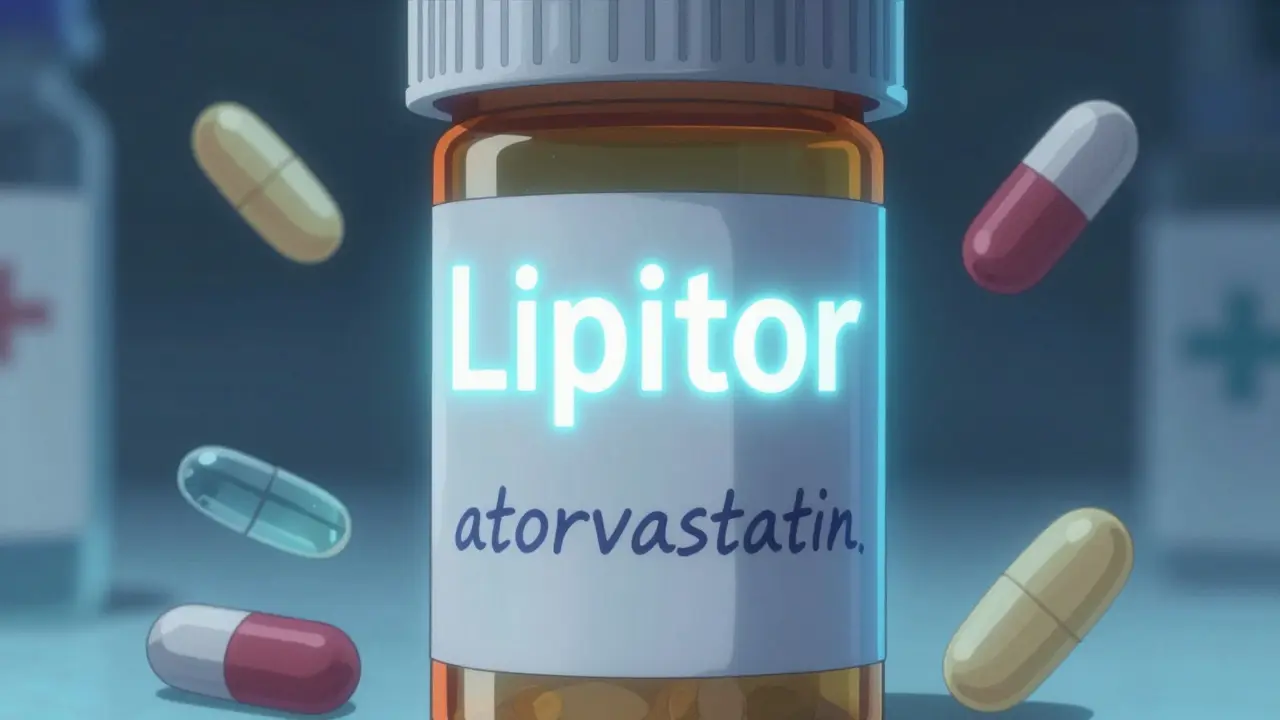
For example, if you’re taking a popular cholesterol drug like Lipitor, the authorized generic might cost $25 for a 30-day supply, while a traditional generic from a different company might be $15. But the Lipitor generic? It’s made in the same factory, with the same machines, by the same team. You’re paying a little more for peace of mind - not for better quality.
What Do Doctors and Pharmacists Say?
Dr. Janet Woodcock, former head of the FDA’s drug division, put it plainly: “Authorized generics are the brand product without the brand name on the label - they are identical in every way.” That’s not an opinion. It’s regulatory fact.
Pharmacists know this too. A 2022 survey by the National Community Pharmacists Association found that 78% of independent pharmacists consider authorized generics interchangeable with brand-name drugs without needing to check with the doctor. That’s higher than for traditional generics, where some pharmacists still hesitate due to perceived differences in how patients respond.
But here’s the catch: not all pharmacists know the difference. On Reddit’s r/pharmacy forum, users reported being told that authorized generics were “different” or “not the same.” That’s misinformation. The drug is identical. The only difference is the label. If your pharmacist says otherwise, ask to see the FDA’s definition - or simply ask if it’s made by the same company as the brand.
Real People, Real Experiences
Patients aren’t guessing. They’re reporting. On GoodRx, users gave authorized generics an average rating of 4.6 out of 5. Over 90% said they’d recommend them to a friend. The Asthma and Allergy Foundation of America surveyed 1,245 people who switched from Singulair (brand) to its authorized generic. 87% said their asthma control was exactly the same. Only 8% noticed minor differences - and those were tied to the inhaler’s feel or the pill’s size, not how well it worked.
Kaiser Permanente tracked 8,342 patients using authorized generics. Their adherence rate - meaning how consistently they took their meds - was 94%. That’s higher than the 92% rate for brand-name versions. Why? Probably because the lower cost made it easier to keep filling prescriptions.

Are Authorized Generics Right for You?
If you’re taking a chronic medication - for blood pressure, diabetes, depression, or asthma - and you’ve been stable on the brand, switching to the authorized generic is one of the safest choices you can make. You get the same drug, the same results, and a lower price. No trade-offs.
But here’s a tip: Always check the label. Authorized generics often list the brand name in small print under “Manufactured for…” or “Distributed by…” If you see the brand name there, you’re holding the authorized version. If it’s a totally different company name, it’s a traditional generic.
Also, ask your pharmacist: “Is this the authorized generic?” Many don’t volunteer the info unless asked. And if your insurance prefers traditional generics, ask if they’ll cover the authorized version at the same tier. Some plans do - especially if your doctor notes it’s preferred for stability.
The Bigger Picture
Since 2010, the number of authorized generics has grown fast. In 2022, there were 387 available in the U.S., and they made up $18.7 billion in sales. Big pharma uses them strategically - launching an authorized generic right when the patent expires helps them keep market share while undercutting competitors. But for you, the patient, it’s a win. More choices. Lower prices. No compromise on quality.
The FDA, doctors, pharmacists, and millions of patients all agree: authorized generics are not just “good enough.” They’re the real thing - just without the brand name.
Are authorized generics as safe as brand-name drugs?
Yes. Authorized generics are made in the same facility, with the same ingredients, under the same FDA inspections as the brand-name drug. The FDA requires them to meet the exact same safety and quality standards. There is no difference in risk, side effects, or manufacturing controls.
Why don’t authorized generics appear in the FDA’s Orange Book?
The Orange Book lists drugs approved under the Abbreviated New Drug Application (ANDA) process - which is how traditional generics get approved. Authorized generics are sold under the original brand’s New Drug Application (NDA), so they’re not listed separately. That doesn’t mean they’re less regulated - it just means they’re legally the same product as the brand.
Can I switch from a brand to an authorized generic without talking to my doctor?
Yes, in most cases. Since authorized generics are identical to the brand, your doctor doesn’t need to change your prescription. Your pharmacist can swap them without consulting your provider - unless your prescription specifically says “dispense as written” or “no substitutions.” Always check the label and confirm with your pharmacist if you’re unsure.
Do authorized generics work the same for all conditions?
Yes. Studies covering medications for high blood pressure, depression, epilepsy, asthma, and more show no difference in effectiveness between authorized generics and their brand-name versions. The 2018 PMC study, which analyzed over 5,000 patients across seven conditions, found no clinically meaningful differences in outcomes.
Why are authorized generics sometimes more expensive than traditional generics?
Because they’re made by the original manufacturer, not a competitor. Traditional generics are often produced by multiple companies competing on price, driving costs down. Authorized generics are made in smaller batches, with less competition, so they cost a bit more - but still significantly less than the brand. You’re paying for consistency, not extra quality.
What to Do Next
Next time you refill a prescription, ask your pharmacist: “Is there an authorized generic for this?” If there is, and you’re paying full price for the brand, you’re leaving money on the table. Ask your insurance if they’ll cover the authorized version at the same copay as a traditional generic. Many do.
If you’ve had trouble with traditional generics in the past - stomach issues, inconsistent effects, or strange side effects - try the authorized version. It’s the closest thing to the brand you can get. And if you’re still unsure, talk to your doctor. But don’t assume the cheaper version is worse. In this case, cheaper doesn’t mean lower quality. It just means less marketing.