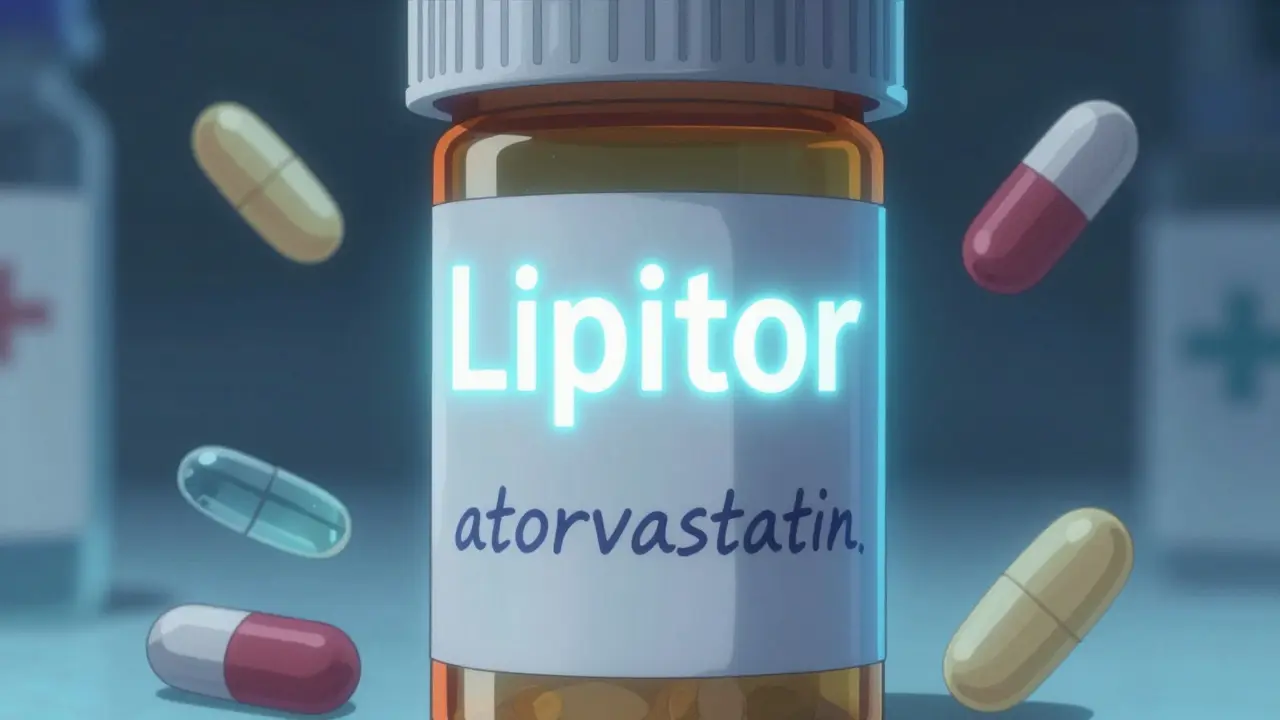
Have you ever looked at your prescription bottle and seen two names? One big, bold, and familiar - like Lipitor. And another, smaller, almost hidden underneath - atorvastatin. If you’ve ever wondered why they’re both there, or which one actually matters, you’re not alone. Millions of people fill prescriptions every week without knowing the difference between generic and brand names on their medication labels. But understanding this simple distinction can save you money, reduce confusion, and even prevent mistakes.
What’s Actually in Your Pill?
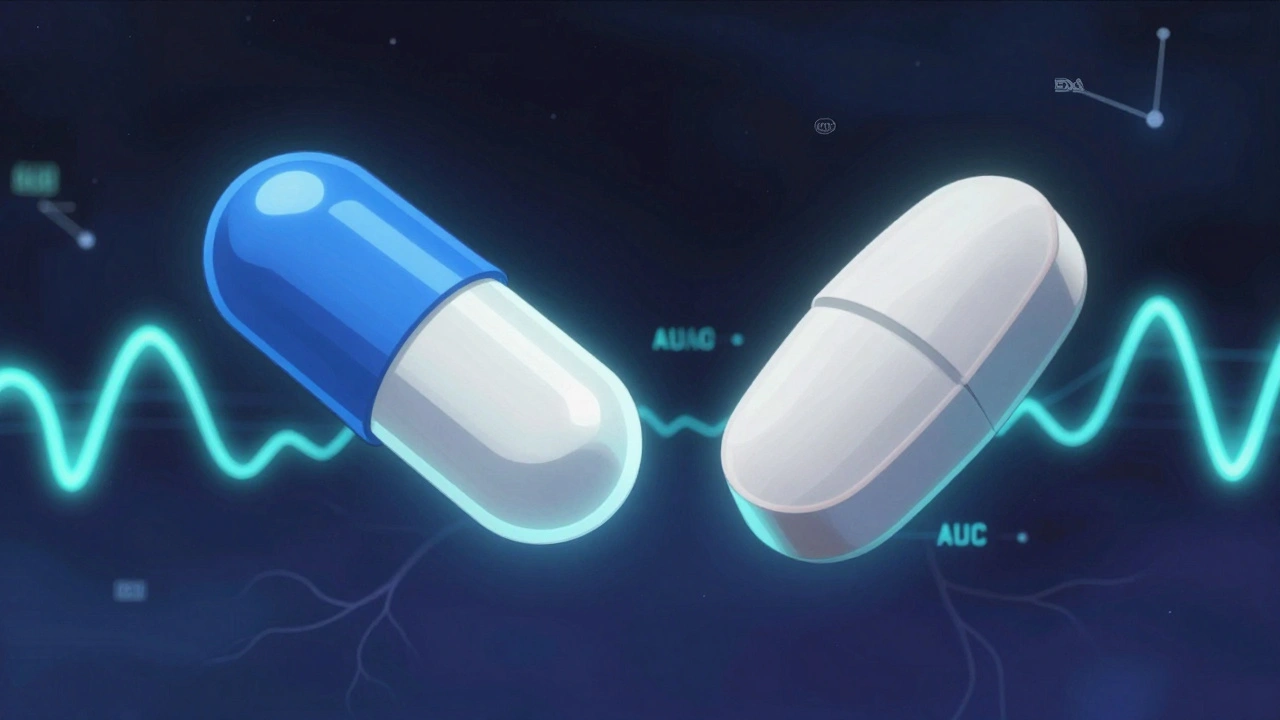
The active ingredient in every prescription drug is the same, no matter what the label says. Whether you’re taking Advil or ibuprofen, the chemical doing the work - reducing pain and inflammation - is identical. The brand name is just a trademark. The generic name is the actual drug compound. Think of it like buying soda: Coca-Cola is the brand. Carbonated sugar water is the product. The brand gets you recognition. The generic tells you what you’re really getting. The U.S. Food and Drug Administration (FDA) requires that generic drugs meet strict standards. They must contain the same active ingredient, in the same amount, delivered the same way - whether it’s a pill, liquid, or injection. They must work the same way in your body. The FDA calls this bioequivalence. To prove it, manufacturers test how quickly and how much of the drug enters your bloodstream. The results must fall within 80% to 125% of the brand-name version. That’s not a guess. That’s science. And it’s why 90% of all prescriptions filled in the U.S. are for generics.Why Do They Look Different?
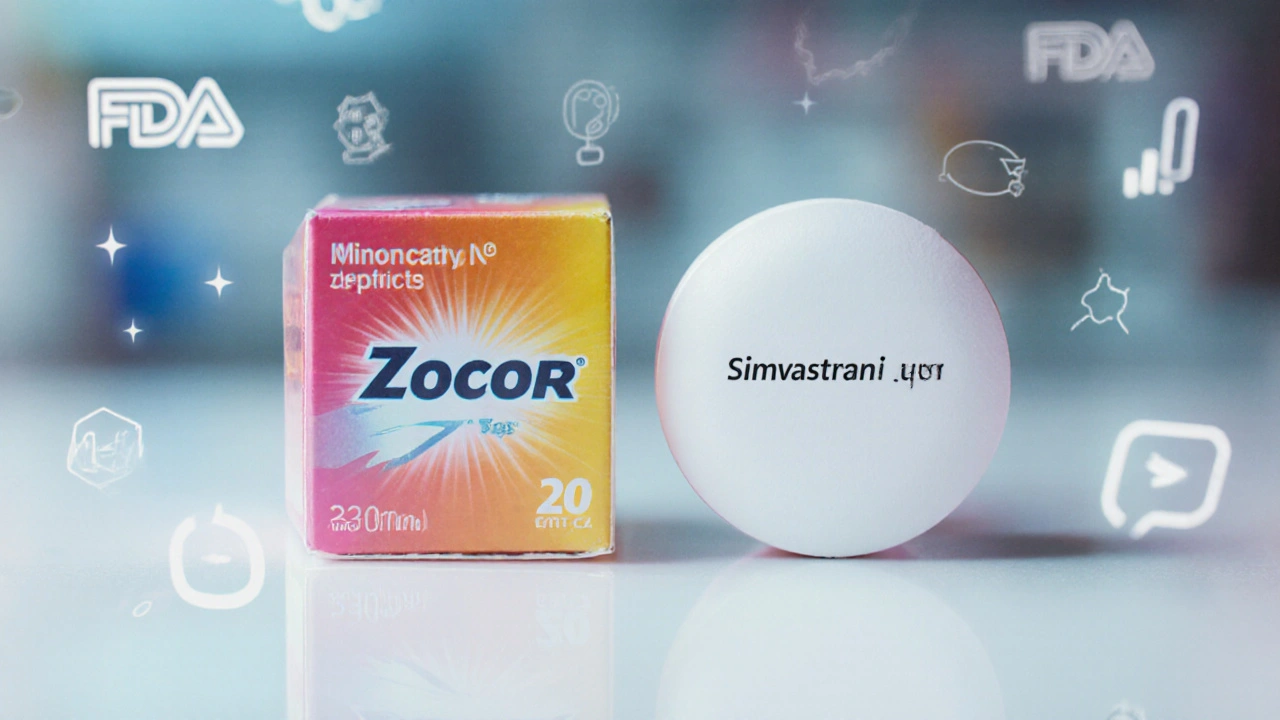
If the drug is the same, why do generic pills look so different? Color? Shape? Markings? That’s because trademark law doesn’t allow generic manufacturers to copy the exact appearance of brand-name drugs. A pill can’t look exactly like a Pfizer product, even if it contains the same active ingredient. So, generics get their own look. One might be blue and oval. Another, white and round. But inside? Identical. This difference causes real problems. A 2022 CVS Health survey found that 24% of patients reported confusion when switching between generic and brand versions. One woman in Sydney told her pharmacist she thought her antidepressant had stopped working because the pill changed from white to green. It wasn’t the drug. It was the color. Pharmacists now routinely explain this during counseling - and it cuts confusion by 67%, according to University Hospitals data.Cost Difference: It’s Not Close
Here’s where the real win comes in. Generic drugs cost 80-85% less than their brand-name equivalents. Take Lipitor (atorvastatin). A 30-day supply of the brand used to cost around $300. The generic? About $4. That’s not a typo. In 2022 alone, generics saved the U.S. healthcare system $1.67 trillion since 2007. The reason? Brand-name companies spend an average of $2.6 billion to develop a new drug - clinical trials, marketing, patents. Generics skip all that. They just prove they work the same. No need to repeat expensive studies. And here’s something most people don’t know: about half of all generic drugs are made by the same companies that make the brand names. Pfizer, Merck, AstraZeneca - they all produce generics under different labels. It’s not some shady offshore operation. It’s business. The same factory. The same quality control. Just a different name on the bottle.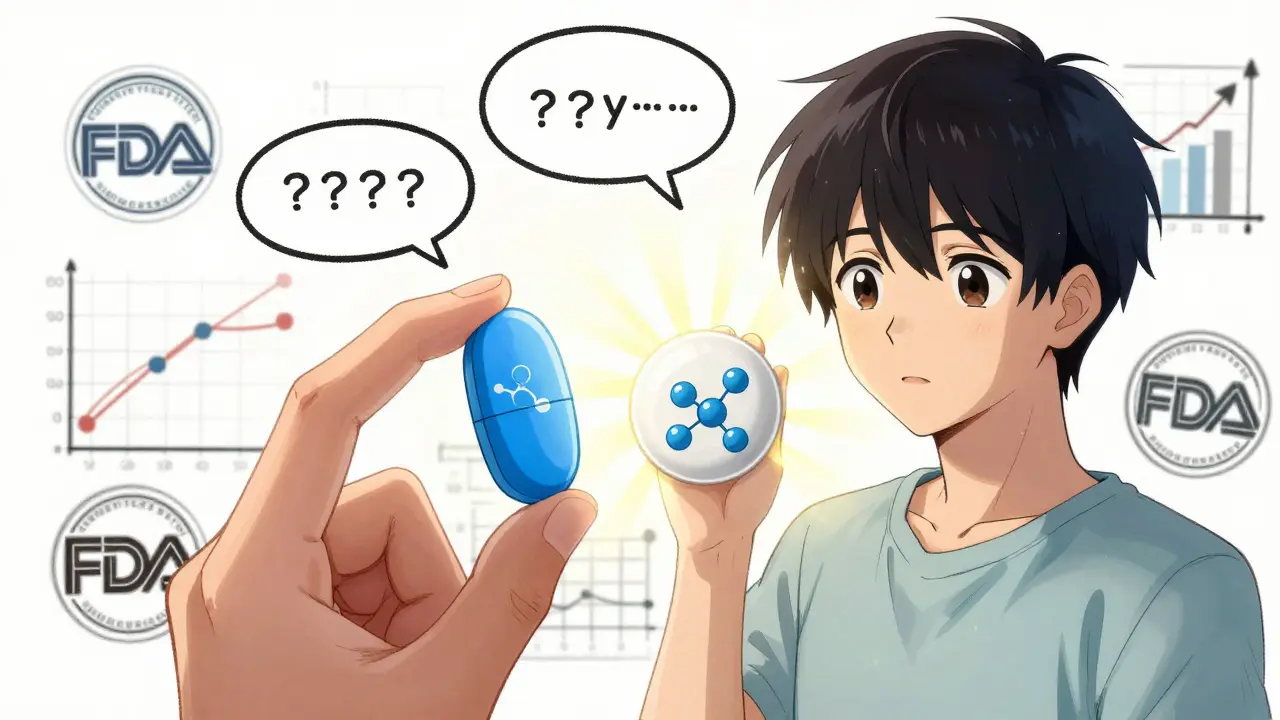
What’s on the Label? The Rules
Federal law requires prescription labels to show both names. The brand name is usually larger. The generic name - the active ingredient - is smaller, underneath. The National Association of Boards of Pharmacy says 92% of labels follow this format. But you have a right to ask for both names to be clearly printed. In 41 U.S. states, pharmacists are legally required to include both on the label. If you don’t see it, ask. It’s not a hassle. It’s your right. Your doctor can also write “dispense as written” or “do not substitute” on the prescription. That means the pharmacy can’t switch to a generic. But unless that note is there, pharmacists are allowed - and often encouraged - to substitute. Most insurance plans push for generics to keep costs down. You’ll pay less at the counter. Your insurer pays less. Everyone wins - except, maybe, the brand-name company.Are There Exceptions?
For almost all drugs, generics are just as safe and effective. But there’s a small group where even tiny differences matter. These are called narrow therapeutic index (NTI) drugs. Think blood thinners like warfarin, epilepsy meds like phenytoin, or thyroid meds like levothyroxine. In these cases, a 5% variation in blood levels can cause serious side effects - too much bleeding, or not enough seizure control. The FDA still approves generics for these drugs. But some doctors prefer to stick with the brand, especially when first starting treatment or adjusting doses. The FDA keeps a list of these drugs, but it’s less than 1% of all medications. If your doctor says “stay on the brand,” it’s not because generics are inferior. It’s because they’re being extra cautious.
Why Do Some People Say Generics Don’t Work?
You’ve probably heard stories. “I switched to generic and felt awful.” “My anxiety got worse.” “I had more side effects.” These aren’t made up. But clinical studies don’t back them up. A 2021 Kaiser Family Foundation study found that 32% of patients initially doubted generics - but after education, 78% were satisfied. The real culprits? Inactive ingredients. Things like dyes, fillers, or coatings. These don’t affect how the drug works. But they can change how fast it’s absorbed. For some people, a different coating might mean the pill dissolves a little slower. That can cause a temporary change in how they feel - especially if they’re sensitive. It’s not the drug failing. It’s your body adjusting. If you notice a difference after switching, talk to your pharmacist. They can check if the generic you got uses different inactive ingredients. Sometimes, switching to a different generic brand - not the brand-name - fixes it. No need to go back to the expensive version.What’s Changing Now?
The generic drug market is growing fast. In 2022, global sales hit $220.6 billion. By 2027, it’s projected to hit $308.9 billion. More biologic drugs - complex medicines for cancer, arthritis, and autoimmune diseases - are losing patent protection. That means more “biosimilars” (think: generic biologics) will hit the market. These aren’t exact copies like traditional generics, but they’re still 15-30% cheaper than the original. The Inflation Reduction Act of 2022 caps out-of-pocket drug costs for Medicare Part D at $2,000 a year starting in 2025. That’ll push even more seniors toward generics. And the FDA’s new GDUFA III program aims to cut approval times for generics by 20% by 2027. More drugs, faster, cheaper. But there’s a risk. Over 80% of the active ingredients in U.S. drugs come from just two countries: China and India. Supply chain issues during the pandemic showed how fragile that system is. If a factory shuts down or a shipment gets delayed, shortages can happen. The FDA is working to fix this, but it’s a real concern.What You Should Do
- Always check your prescription bottle for both names. If you don’t see the generic, ask your pharmacist. - Don’t assume a change in pill color means the drug changed. It’s likely just a different generic brand. - If you feel different after switching, talk to your pharmacist - not your doctor. They can check inactive ingredients. - Ask about generics when your doctor prescribes something new. Unless it’s an NTI drug, the generic is just as good. - Use tools like GoodRx to compare prices. Sometimes the generic is cheaper even without insurance. The bottom line? Generic drugs aren’t second-rate. They’re the same drug, at a fraction of the cost. The system is built to make them safe, effective, and affordable. You just need to know how to read the label.Are generic drugs really as effective as brand-name drugs?
Yes. The FDA requires generic drugs to have the same active ingredient, strength, dosage form, and route of administration as the brand-name version. They must also prove bioequivalence - meaning they deliver the same amount of medicine into your bloodstream at the same rate. Studies show no meaningful difference in effectiveness for 99% of medications. The only exceptions are a very small number of drugs with narrow therapeutic indexes, like warfarin or levothyroxine.
Why do generic pills look different from brand-name pills?
Trademark laws prevent generic manufacturers from making pills that look exactly like brand-name versions. So they change the color, shape, size, or markings. These differences have no effect on how the drug works. They’re purely to avoid legal issues. The active ingredient inside is identical. If you’re confused by the change, check the generic name on the label - that’s what matters.
Can pharmacists switch my prescription to a generic without telling me?
In most cases, yes - unless your doctor writes “dispense as written” or “do not substitute.” In 28 U.S. states, pharmacists are allowed to substitute generics automatically. Most insurance plans require it to lower costs. But by law, the label on your bottle must show both the brand and generic names. If you don’t see both, ask your pharmacist. You have the right to know what you’re taking.
Why are generic drugs so much cheaper?
Brand-name companies spend billions developing new drugs - including clinical trials, marketing, and patent protection. Generic manufacturers don’t have to repeat those expensive studies. They only need to prove their version works the same way. That cuts costs dramatically. The average generic drug saves patients 80-85% compared to the brand. Some, like atorvastatin, cost less than $5 a month instead of $300.
Is it safe to switch from a brand-name drug to a generic?
For the vast majority of drugs, yes - and it’s done safely every day. The FDA rigorously tests generics before approval. If you notice new side effects after switching, it’s usually due to changes in inactive ingredients (like fillers or coatings), not the active drug. Talk to your pharmacist. They can check if a different generic version might work better. Rarely, your doctor may recommend staying on the brand - especially for drugs like warfarin or thyroid meds - but that’s the exception, not the rule.
Understanding the difference between generic and brand names on your Rx label isn’t just about saving money. It’s about taking control of your health. You’re not getting a lesser drug. You’re getting the same drug - at a price that makes sense.