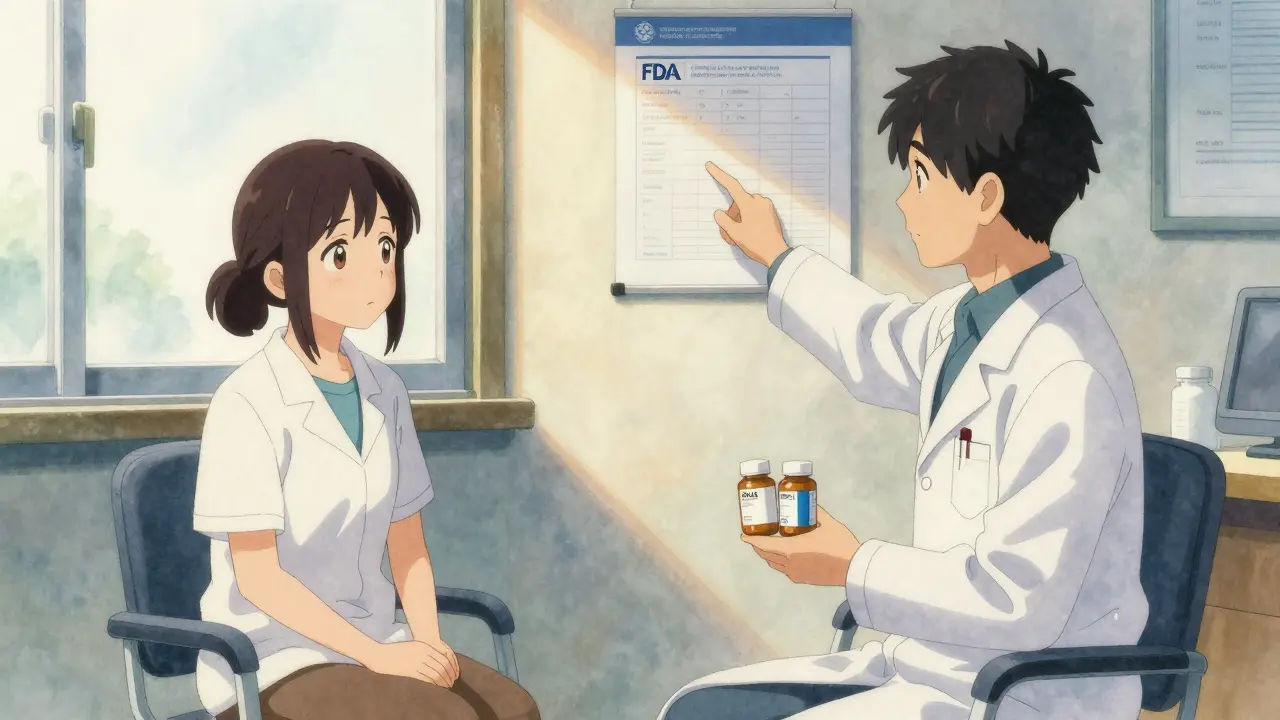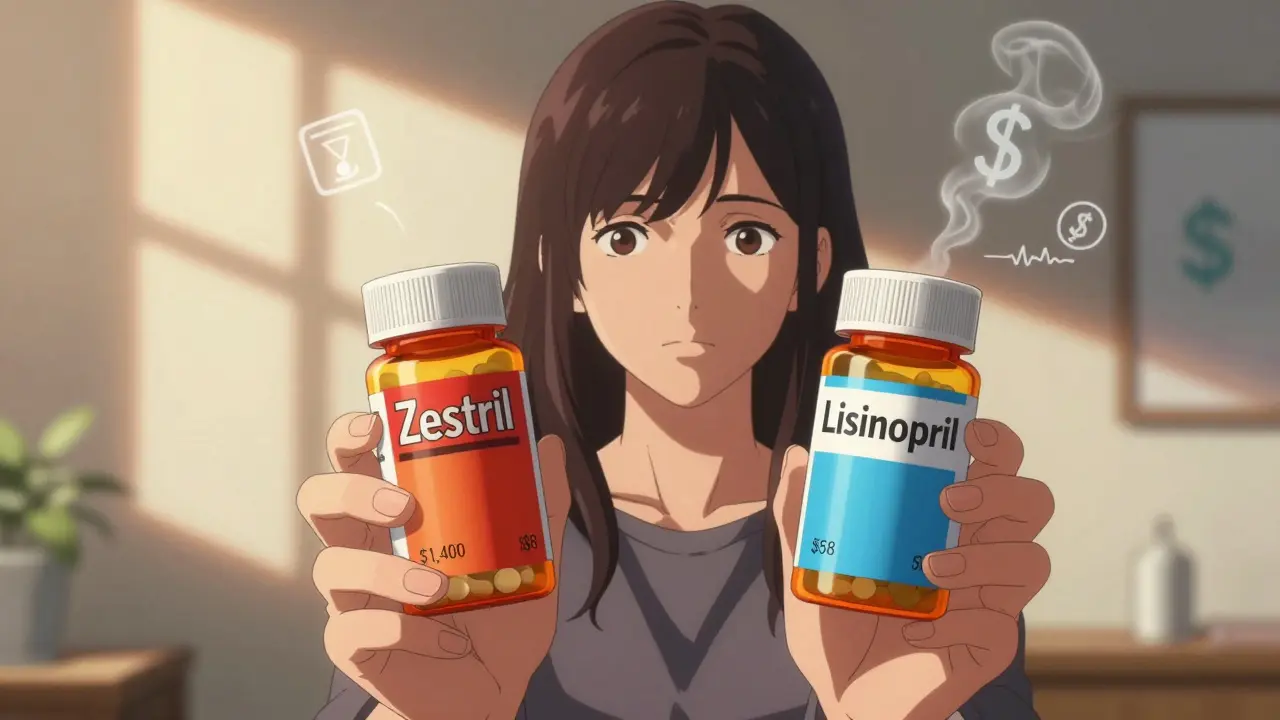
When you pick up a prescription, do you ever wonder if the pill in your hand actually works-or if it’s just your mind making you feel better? It’s not just in your head. The difference between a brand-name drug and its generic version isn’t in the chemistry. It’s in the perception. And that perception can change how you feel, how much pain you report, even how long you stick with the treatment.
What Really Happens When You Take a Generic?
Generic drugs contain the exact same active ingredient, in the same dose, as their brand-name counterparts. The FDA requires them to be bioequivalent-meaning they deliver the same amount of medicine into your bloodstream within a very tight range. So why do so many people say, ‘My generic doesn’t work like the brand did’? The answer lies in something called the placebo effect-not the fake treatment, but the real biological response your body has when you believe a treatment will work. In 2016, researchers gave people identical placebo pills labeled either as ‘Nurofen’ or ‘Generic Ibuprofen.’ The ‘Nurofen’ group reported pain relief just as strong as if they’d taken real ibuprofen. The ‘Generic’ group? Their pain barely budged. Same pill. Same chemistry. Different outcome-because of the label.Branding Isn’t Just Marketing-It’s Medicine
Your brain doesn’t treat all pills the same. A brand name triggers associations: reliability, quality, effectiveness. You’ve seen the ads. You’ve heard your doctor mention it. You’ve trusted it before. That mental shortcut becomes a physiological signal. Brain scans show that when people believe they’re taking a branded drug-even if it’s a sugar pill-the dorsolateral prefrontal cortex, the area tied to expectation and reward, lights up more intensely than when they think they’re taking a generic. This isn’t just about painkillers. In depression, up to 40% of the benefit from antidepressants comes from the placebo effect. If you believe your generic isn’t as good, your brain may not release the same levels of serotonin or dopamine, even though the drug molecules are identical. The chemical is there. The belief isn’t.The Dark Side: When Expectations Make You Sicker
It’s not just that branding boosts results-it’s that labeling can make you feel worse. This is the nocebo effect: negative expectations leading to real symptoms. In one study, patients taking placebo pills for statins reported muscle pain, fatigue, and nausea-even though the pills had no active ingredient. Why? Because they’d been told statins cause those side effects. Their brains started scanning for discomfort, and when they felt a twinge, they assumed it was the drug. Even pricing plays a role. In a famous experiment, people were given identical creams labeled as ‘expensive’ or ‘cheap.’ The ‘expensive’ group reported more pain, and brain scans confirmed their spinal cords were sending stronger pain signals. Their belief changed their biology. The cream didn’t change. Their mind did.
Why Generics Get the Short End of the Stick
You’d think that if generics are cheaper, people would embrace them. But the opposite often happens. A 2022 Consumer Reports survey found 63% of Americans believe brand-name drugs are superior. Nearly half said they doubt generics work as well. And it shows in behavior: patients are 27% more likely to stop taking a generic antidepressant within 30 days than a brand-name one-even though blood tests confirm identical drug levels. Part of the problem is how we talk about them. Phrases like ‘just a generic’ or ‘this is the cheaper version’ plant seeds of doubt. A 2020 JAMA study showed that when doctors spent just two extra minutes explaining that generics meet the same standards as brand-name drugs, patient adherence jumped by 20%. It wasn’t magic. It was clarity.What Works? What Doesn’t
Some companies try to fix the perception gap by making generics look more like brands-bigger pills, colorful packaging, fancy logos. But research shows this doesn’t always help. In one study, enhanced generic packaging actually led to less anxiety reduction than plain packaging. Why? Because patients saw the effort as a sign the drug was trying too hard to hide something. What does work? Transparency. Adding a simple line to the packaging-‘FDA-approved equivalent to [Brand Name]’-increased patient confidence by 34%. Talking about equivalence, not cost. Explaining that generics are tested just as rigorously. Not saying ‘it’s cheaper,’ but ‘it’s the same.’ Even better: short educational videos. A 2023 Oxford study found that showing patients a 90-second clip explaining how expectations influence treatment outcomes boosted the effectiveness of generics by 28%. It wasn’t about tricking people. It was about giving them the science behind their own minds.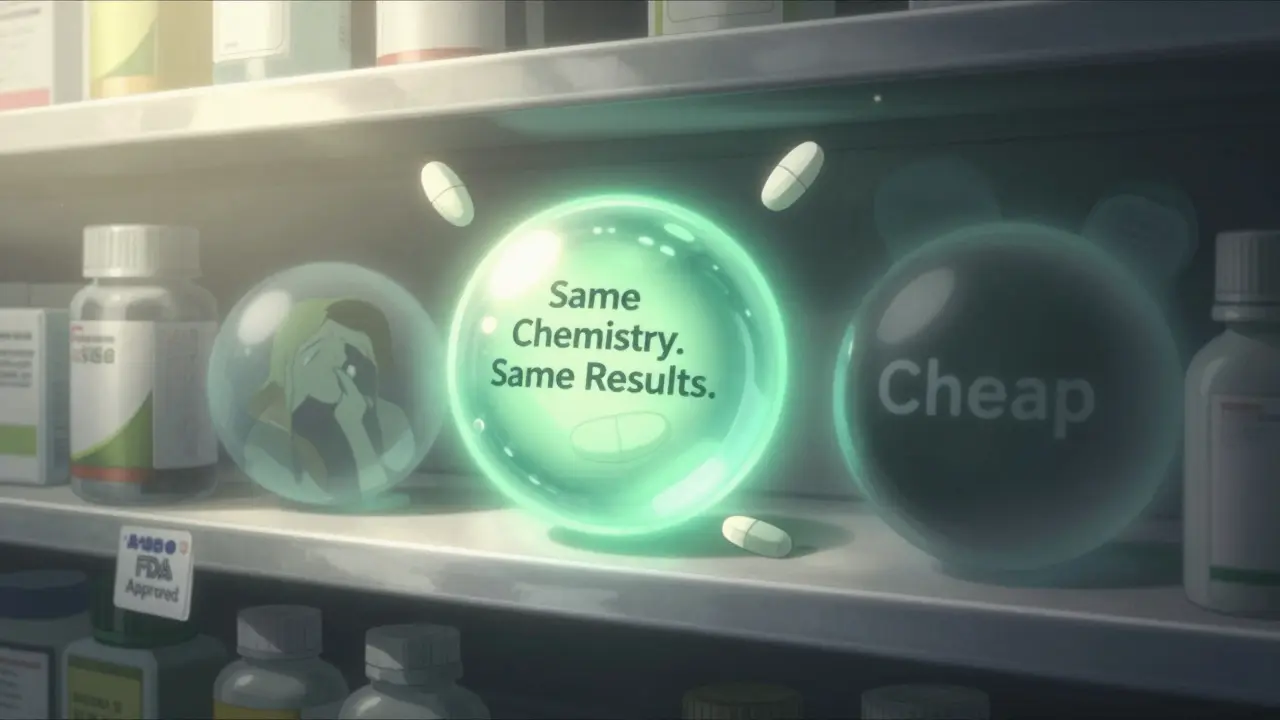
Real-World Impact: Money, Adherence, and Health
This isn’t just a psychological quirk. It’s a public health issue. In the U.S., generics make up 90% of prescriptions but only 23% of drug spending. That’s a huge savings-if people actually take them. But because of perception gaps, up to 12% of the effectiveness of generics in conditions like depression and chronic pain may be lost. That translates to $1.5 billion a year in avoidable doctor visits, emergency trips, and missed work. In Australia, where generics are widely used and heavily subsidized, adherence rates are higher than in the U.S.-but still not perfect. Patients who’ve been on brand-name drugs for years often resist switching, even when their doctor recommends it. The fear isn’t about safety. It’s about trust.What You Can Do
If you’re prescribed a generic:- Ask your doctor: ‘Is this the same as [Brand Name]?’ Most are.
- Don’t assume cheaper means weaker. The FDA doesn’t allow that.
- If you feel worse after switching, ask: ‘Could this be my mind reacting?’ Not every new symptom is the drug.
- Try giving it a full 4-6 weeks. Sometimes, it’s not the pill-it’s the transition.
- Avoid saying ‘just a generic.’ Say ‘this is an FDA-approved equivalent.’
- Explain the science behind placebo effects. Most patients are surprised-and relieved-to learn their mind plays a role.
- Use simple visuals: side-by-side pill images, FDA approval logos, bioequivalence data.
- Don’t mention cost unless asked. It triggers nocebo effects.
The Bigger Picture
The placebo effect with generics isn’t about deception. It’s about how deeply our beliefs shape our biology. We’ve spent decades telling people generics are safe and effective. Now we need to tell them they’re powerful-because belief is part of the medicine. The future of healthcare isn’t just better drugs. It’s better expectations. And that starts with how we talk about the pills in our hands.Do generic drugs have the same active ingredients as brand-name drugs?
Yes. By law, generic drugs must contain the same active ingredient, in the same strength and dosage form, as the brand-name version. The FDA requires them to be bioequivalent, meaning they deliver the same amount of medicine into your bloodstream within a very narrow range-typically within 8-13% of the brand-name drug. The only differences are in inactive ingredients like fillers, colors, or coatings, which don’t affect how the drug works.
Why do some people say their generic medication doesn’t work as well?
It’s often not about the drug-it’s about perception. Studies show that when people believe they’re taking a brand-name medication, they report better results-even when given a placebo. If you’ve used a brand-name drug before and felt better, your brain expects the same from the next pill. When you switch to a generic, even if it’s chemically identical, your brain may interpret the different look or lower price as a sign it’s less effective. This can trigger a weaker placebo response or even a nocebo effect, where you start noticing side effects you weren’t aware of before.
Can the placebo effect be measured in real patients?
Yes. Brain imaging studies using fMRI show stronger activity in areas linked to expectation and reward when people believe they’re taking a branded drug. In one study, participants who thought they were using an expensive pain cream reported more pain-and their spinal cords sent stronger pain signals-than those using the same cream labeled as cheap. In depression trials, placebo response rates of 30-40% are common, meaning a significant portion of improvement comes from belief, not chemistry. These aren’t just self-reports; they’re measurable biological changes.
Does price affect how well a drug works?
Surprisingly, yes. In controlled studies, people given identical placebos reported better pain relief when told the pill cost $2.50 versus 10 cents. Conversely, telling someone a generic is ‘cheap’ can increase reported side effects by 25-40%. This isn’t about value-it’s about subconscious associations. We link higher price with higher quality, and lower price with lower effectiveness. These beliefs trigger real changes in how the brain processes symptoms and sensations.
How can I trust that my generic medication is safe and effective?
The FDA requires generic manufacturers to prove their products are bioequivalent to brand-name drugs through rigorous testing. They must match the brand in active ingredient, strength, dosage form, and how quickly the drug is absorbed. Generic drugs are held to the same manufacturing standards. In fact, many brand-name companies also produce their own generics. Look for FDA approval on the packaging, and talk to your pharmacist. If you’re still unsure, ask for the manufacturer’s name-many are reputable global companies with decades of experience.
Are there situations where generics might not be the best choice?
For most medications, generics are equally effective. But in rare cases-like narrow therapeutic index drugs (e.g., warfarin, levothyroxine, some anti-seizure meds)-small differences in absorption can matter more. Even then, studies show generics perform just as well when properly monitored. The bigger issue isn’t chemistry-it’s patient confidence. If a patient has had a bad experience switching, or if their condition is unstable, doctors may temporarily stick with the brand to build trust. But this is about psychology, not pharmacology.