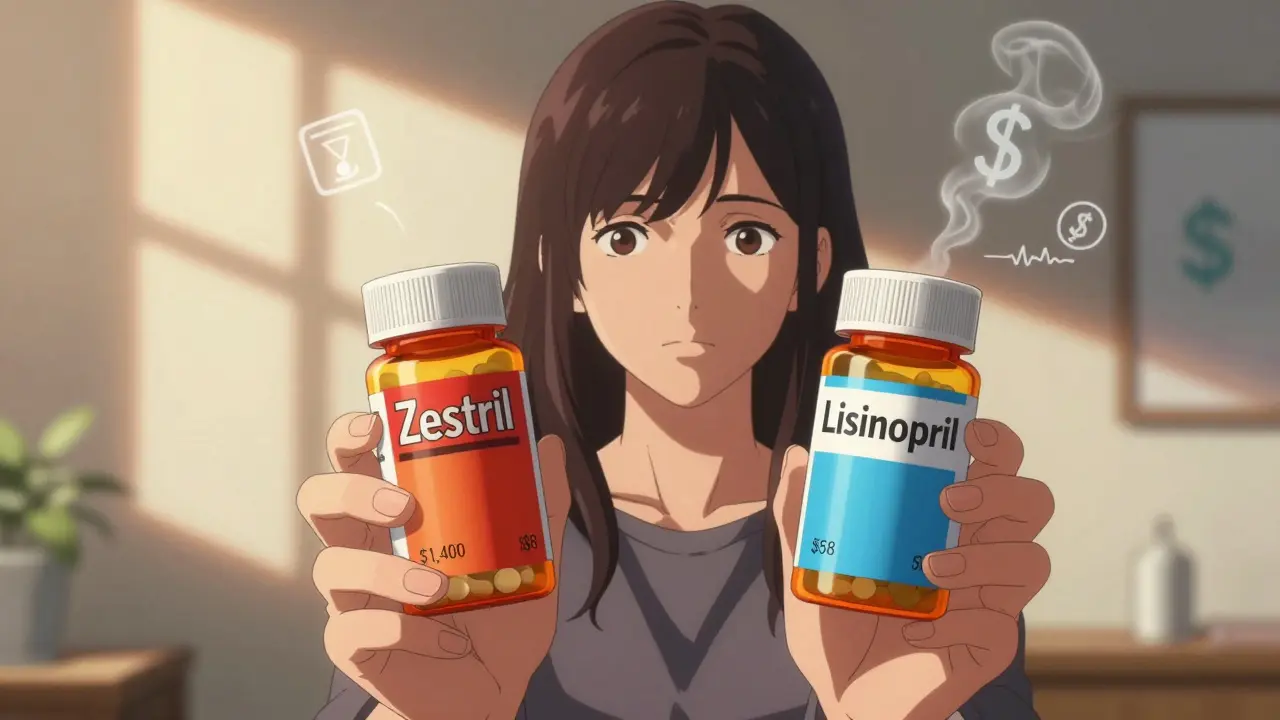
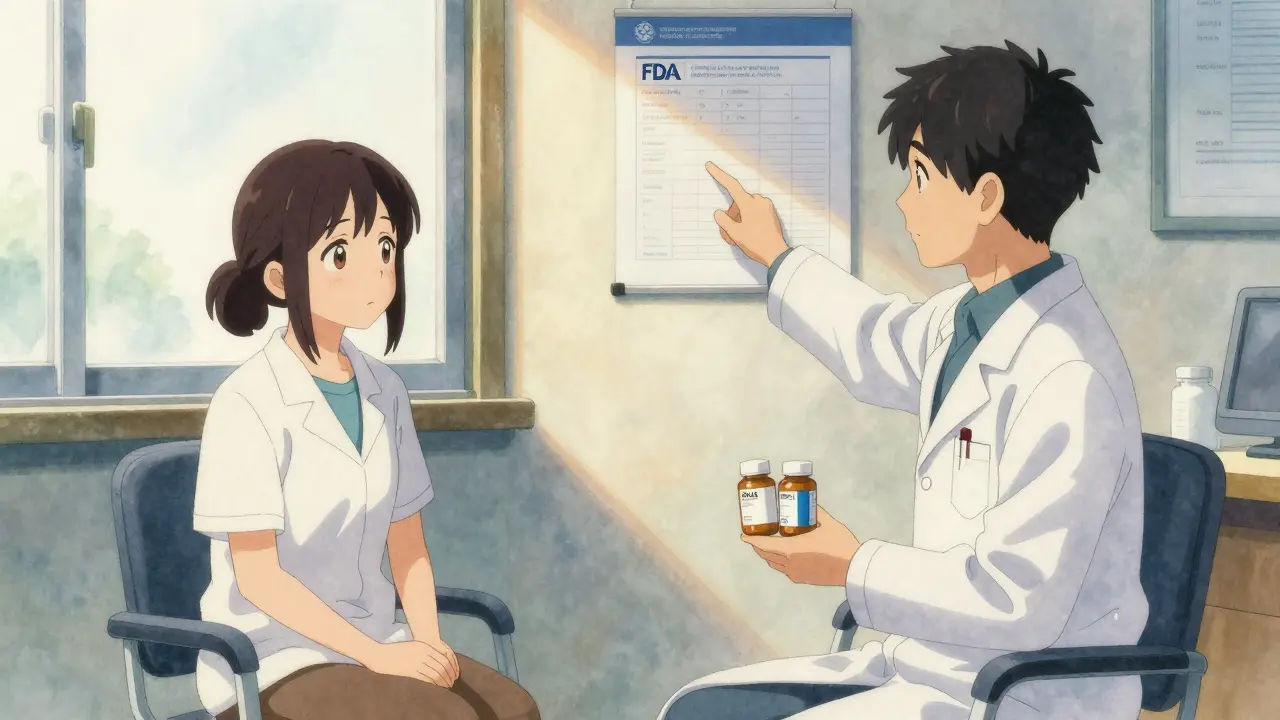
When employees skip their blood pressure pills because they cost too much, or stop taking their diabetes meds after a few months, it’s not just bad for their health-it’s bad for the company. Missed work, ER visits, and long-term complications cost employers millions every year. But there’s a quiet hero in this story: the pharmacist. Not the person behind the counter just handing out prescriptions. The one who sits down with employees, explains why a $4 generic is just as good as a $120 brand, and actually gets them to stick with their treatment. This isn’t theory. It’s happening in workplaces across the U.S., and pharmacists are the reason it works.
Why Generics Matter More Than You Think
Most people think generics are cheap knockoffs. They’re not. A generic drug has the same active ingredient, strength, dosage form, and route of administration as the brand-name version. The FDA requires them to be bioequivalent-meaning they deliver the same amount of medicine into the bloodstream within 80% to 125% of the brand’s absorption rate. That’s not a guess. It’s science. And it’s why generics make up 90% of all prescriptions filled in the U.S. but only 22% of total drug spending.
Here’s the real problem: even when generics are available, nearly half of patients don’t take their meds as prescribed. Why? Cost. Fear. Misinformation. A 2023 survey found that 62% of employees worried generics wouldn’t work as well, even though 92.5% of pharmacists say they improve access. That gap? That’s where pharmacists step in.
The Pharmacist’s Edge: More Than Just a Prescription
Pharmacists are the only healthcare professionals trained to understand every pill in a patient’s bottle-not just the one they’re dispensing. In workplace wellness programs, they don’t just fill scripts. They do Medication Therapy Management (MTM). That means sitting down with an employee, reviewing all their medications, spotting interactions, checking for duplicates, and asking: “Is this really the best option for you?”
Take hypertension. A patient might be on a brand-name ACE inhibitor costing $150/month. The generic version? $4. Same drug. Same effect. But the patient doesn’t know that. A pharmacist can explain it in 10 minutes: “This is the exact same medicine as your brand, just without the marketing costs. I take this one myself.” That personal touch? It works. Employees who get this kind of counseling are 78% more likely to stick with their meds long-term.
And it’s not just about talking. Pharmacists use real tools. The FDA’s Orange Book tells them which generics are therapeutically equivalent. MAC (Maximum Allowable Cost) schedules show them the lowest price the plan will pay. Integrated pharmacy systems flag when a brand-name drug is being prescribed when a cheaper, identical generic is available. They don’t just suggest substitutions-they automate them where allowed by law.
How Employers Are Using Pharmacists to Cut Costs
Companies aren’t just paying for pills anymore. They’re paying for outcomes. And they’re seeing results. A 2023 report from the Business Group on Health found that 68% of large employers (5,000+ workers) now include pharmacist consultations in their wellness programs. Why? Because the math adds up.
Pharmacy Benefit Managers (PBMs) report that pharmacist-led programs cut prescription drug costs by 20-30%. That’s not a guess. It’s from data. One study showed that when pharmacists were involved in managing chronic conditions like diabetes and heart disease, medication adherence jumped 15-20% compared to programs without them. And here’s the kicker: for every $1 spent on pharmacist services, employers save $7.20 in medical costs and lost productivity.
Employers are also using tiered formularies. Three-tier plans reward patients for choosing generics. Some even have mandatory generic programs-meaning if a generic exists, that’s what you get unless your doctor says otherwise. Pharmacists help design these systems. They know which drugs have safe, effective generics. They know which ones don’t. They’re the bridge between policy and practice.
Real Stories, Real Impact
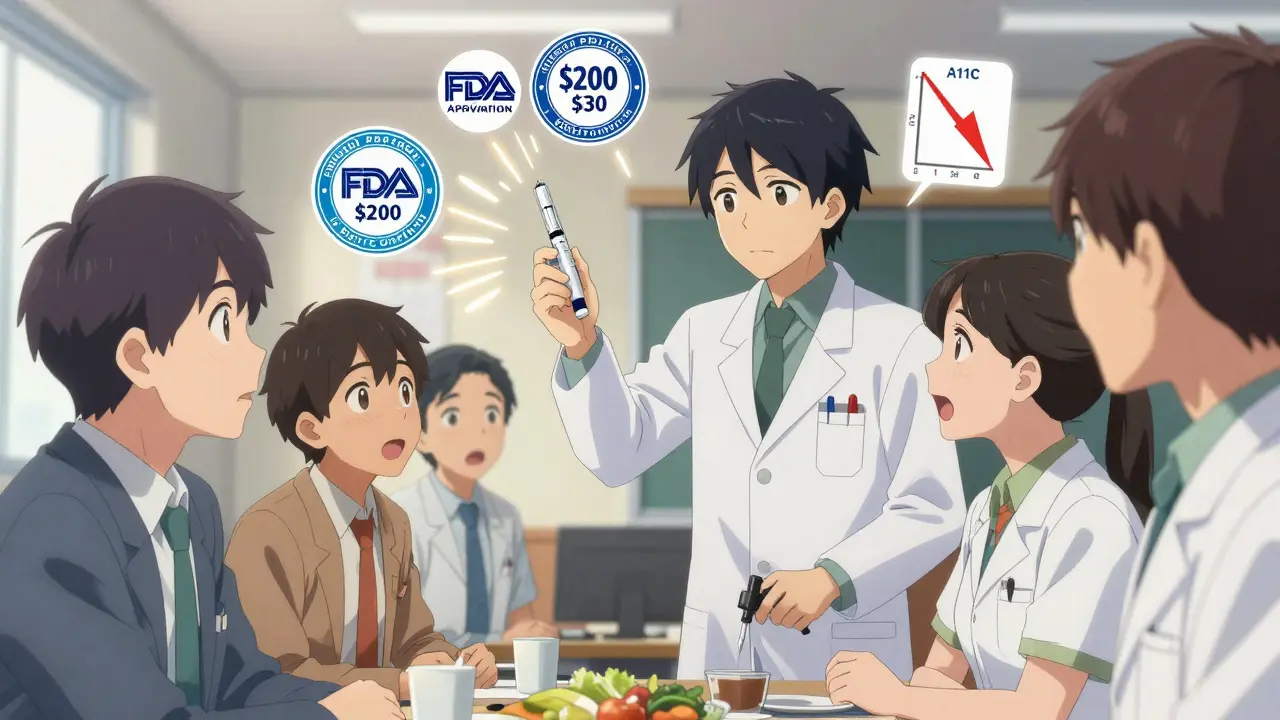
One community pharmacist in Ohio told a diabetic employee she was taking a $200 monthly brand-name insulin. The generic? $30. Same thing. She showed the patient the FDA’s approval data. She even pulled out her own insulin pen-same generic-and said, “I use this. My mom uses this. It works.” The employee switched. His A1C dropped from 9.2 to 7.1 in four months.
Another pharmacist in Texas noticed a pattern: employees on brand-name statins kept quitting. She started handing out printed fact sheets that showed how the generic versions met the same FDA standards. She held 15-minute group sessions during lunch. Within six months, generic use jumped from 41% to 89%. Prescription costs for that group dropped by 64%.
And it’s not just about savings. It’s about trust. Employees who feel heard are more likely to stay on their meds. One Reddit user, a pharmacist, wrote: “I tell patients I take generics too. Not because I’m cheap. Because I know they’re safe.” That honesty? That’s what changes behavior.
Barriers Still Exist
It’s not perfect. Some states require prescriber approval before a pharmacist can substitute a generic-even when it’s clearly safe. One pharmacist in California said: “I can’t switch a patient from brand to generic without calling the doctor. By the time I get approval, the patient’s already stopped taking it.”
Hospital pharmacists often focus more on efficacy than cost, especially in acute care. That creates a disconnect. In outpatient settings, pharmacists prioritize access. In hospitals, they prioritize safety. Both matter. But without collaboration, the cost-saving potential gets lost.
And then there’s misinformation. Some patients still believe generics are made in “lesser” labs. The truth? The same companies that make brand-name drugs often make the generics too. Companies like Pfizer, Novartis, and Merck produce authorized generics-identical to the brand, just sold under a different name. Pharmacists are the ones who explain that.
The Future Is Already Here
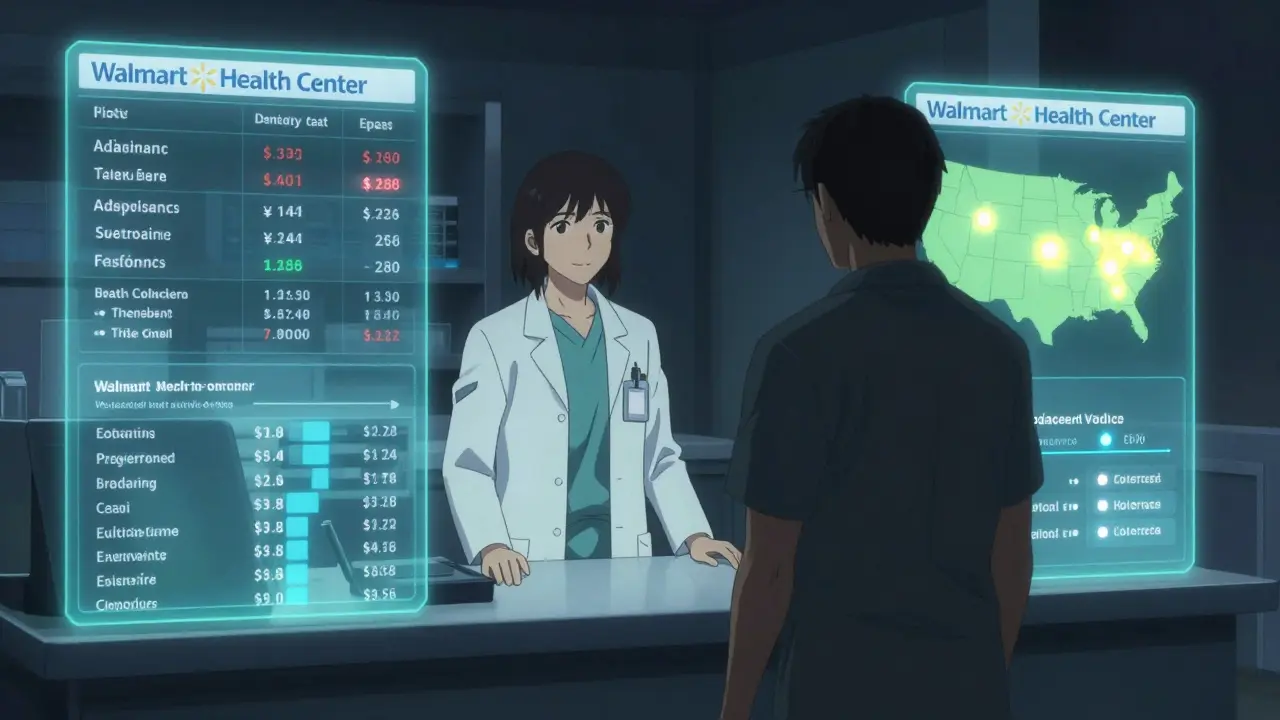
Walmart Health Centers now have pharmacists embedded in primary care teams for employer clients. Preliminary data shows a 23% drop in prescription costs among participants. The American Pharmacists Association predicts that by 2027, 85% of large employer wellness programs will include pharmacist-led medication optimization. Why? Because the ROI is undeniable.
And the legal landscape is shifting. The 2024 PBM Transparency Act forces pharmacy benefit managers to disclose how much they’re charging employers. That means more pressure to cut unnecessary costs-and pharmacists are the best tool to do it.
Pharmacists aren’t just filling bottles anymore. They’re managing health. They’re reducing costs. They’re saving lives. And in the workplace, they’re the missing link between good intentions and real results.
Can pharmacists really substitute brand-name drugs without a doctor’s approval?
In 49 U.S. states, pharmacists can substitute a brand-name drug with a therapeutically equivalent generic without calling the prescriber-so long as the prescription doesn’t say "Do Not Substitute." The rules vary by state, and some require patient notification. But in most cases, the pharmacist doesn’t need to wait for approval. The FDA and state pharmacy boards have confirmed that these substitutions are safe and effective.
Are generic drugs really as effective as brand-name drugs?
Yes. The FDA requires generics to have the same active ingredient, strength, dosage form, and route of administration as the brand. They must also meet the same strict standards for purity, stability, and bioavailability. In fact, generics are tested in thousands of patients before approval. A 2022 FDA analysis of over 1,000 generic drugs found no difference in effectiveness compared to brand-name versions. Even the same companies often make both the brand and the generic.
Why don’t more employers use pharmacists in wellness programs?
Many employers still think of pharmacists as just dispensers, not care providers. They don’t realize pharmacists can review all medications, catch dangerous interactions, and help patients afford their treatment. Smaller companies may not know where to start. But the data is clear: programs with pharmacist involvement see better adherence, lower costs, and fewer hospitalizations. It’s not a luxury-it’s a smart investment.
How do pharmacists convince skeptical patients to switch to generics?
They use facts, not pressure. They show patients the FDA approval data. They explain that generics must be within 80-125% of the brand’s absorption rate-meaning the body gets the same amount of medicine. They share stories: "I take this generic for my cholesterol. My mom takes it for her blood pressure." They point out that authorized generics are made by the same company as the brand. And they reassure patients: "It’s not cheaper because it’s worse. It’s cheaper because there’s no advertising or patent fees."
Do generic drugs cost less because they’re lower quality?
No. Generic drugs cost less because they don’t have to repeat expensive clinical trials. The original brand paid to prove the drug works. Generics just have to prove they’re the same. The manufacturing standards are identical. In fact, many generic drugs are made in the same factories as brand-name drugs. The difference is in the marketing-not the medicine.