Every day, millions of people take generic drugs without even realizing it. They’re the pills in your medicine cabinet that cost a fraction of the brand-name version - but do they work the same? The answer is yes, and here’s exactly how they’re made to be just as safe and effective.
The Legal Backbone: The Hatch-Waxman Act and ANDA Pathway
Generic drugs didn’t become widespread by accident. In 1984, Congress passed the Hatch-Waxman Act, which created a legal shortcut for drug makers to bring cheaper versions to market. Before this, every new drug - even if it was chemically identical - had to go through the same 10- to 15-year clinical trial process as the original. That made generics too expensive and slow to develop. The solution? The Abbreviated New Drug Application (ANDA). Instead of repeating expensive human trials, generic manufacturers only need to prove their product is bioequivalent to the brand-name drug. That means it delivers the same amount of active ingredient into the bloodstream at the same rate. The FDA doesn’t require new safety data because the original drug’s safety has already been proven over years of use. This system saved the U.S. healthcare system over $1.7 trillion in the last decade. Today, 90% of all prescriptions are filled with generics. But behind that number is a highly controlled, science-driven manufacturing process.Step 1: Reverse Engineering the Brand-Name Drug
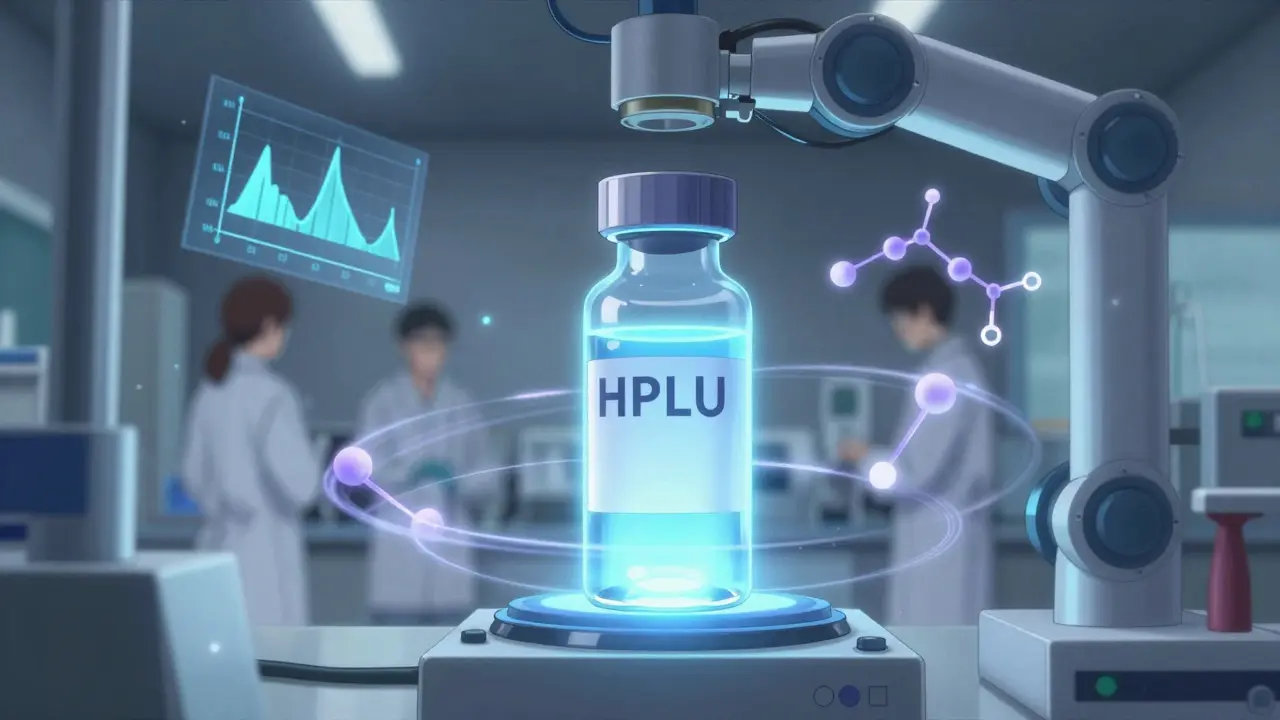
Before a single pill is made, the generic company must figure out exactly what’s in the original drug. This isn’t guesswork - it’s forensic chemistry. They start with the Reference Listed Drug (RLD), which is the brand-name version approved by the FDA. Using advanced lab techniques like HPLC (High-Performance Liquid Chromatography) and mass spectrometry, they analyze the active ingredient, excipients (inactive ingredients), particle size, coating thickness, and even the dissolution profile - how quickly the pill breaks down in the body. This step is critical. A small change in the size of a filler particle or the type of coating can alter how fast the drug is absorbed. For example, if the brand-name version releases the medicine over 8 hours, the generic must do the same. Otherwise, patients could get too much too fast - or not enough at all.Step 2: Formulation Development Using Quality by Design (QbD)
Once they know what the original drug contains, manufacturers begin designing their own version. This isn’t just mixing chemicals - it’s engineering. They use a framework called Quality by Design (QbD), developed by the International Council for Harmonisation (ICH). QbD forces manufacturers to think ahead: What could go wrong? They identify three key factors:- Critical Quality Attributes (CQAs): The measurable traits that affect safety and effectiveness - like dissolution rate, potency, and stability.
- Critical Material Attributes (CMAs): The properties of raw ingredients - like how fine the lactose powder is or whether the binder is hygroscopic.
- Critical Process Parameters (CPPs): The settings in the machines - temperature, mixing time, compression force - that influence the final product.
Step 3: The Seven-Stage Manufacturing Process
Once the formula is locked in, production begins. Here’s how a generic tablet is made, step by step:- Formulation: The active pharmaceutical ingredient (API) is weighed precisely and blended with excipients like starch, cellulose, or magnesium stearate. This mixture must be perfectly uniform - no clumps, no hot spots.
- Mixing and Granulation: The dry powder is turned into wet granules using water or alcohol. This improves flow and compression. The granules are then dried in ovens at controlled temperatures.
- Drying: Moisture is removed to prevent degradation. Too much water? The drug breaks down. Too little? The powder won’t bind properly.
- Compression and Encapsulation: Dry granules are pressed into tablets using high-speed machines. Capsules are filled with powder or pellets. Each tablet must weigh within ±5% of the target (±7.5% for heavier tablets), per FDA rules.
- Coating: Tablets get a thin film coating to mask taste, protect the drug from stomach acid, or control release. Some coatings are designed to dissolve only in the intestine.
- Quality Control: At every stage, samples are tested. Tablets are checked for weight, hardness, thickness, dissolution rate, and purity. One batch might undergo 50+ tests before approval.
- Packaging and Labeling: Bottles or blister packs are filled, sealed, and labeled. Labels must match the brand-name drug exactly - same dosage, same warnings, same instructions. But they can’t look identical. U.S. trademark law prevents generics from copying the shape, color, or logo of the original.
Strict Rules: Current Good Manufacturing Practices (CGMP)
Manufacturing doesn’t happen in a garage. It happens in cleanrooms that meet strict FDA standards. Facilities must maintain:- Temperature: 20-25°C (68-77°F)
- Humidity: 45-65% relative humidity
- Air purity: ISO Class 5 to 8 cleanrooms, depending on the stage
- 37% - Inadequate investigation of out-of-spec results
- 29% - Poor process validation
- 24% - Weak quality unit oversight
Bioequivalence Testing: Proving It Works the Same
You can make a pill that looks and weighs the same - but does it work like the original? That’s where bioequivalence studies come in. Manufacturers recruit 24 to 36 healthy volunteers. Each takes either the generic or brand-name drug, then has their blood drawn over 24-72 hours. Scientists measure two things:- Cmax: The highest concentration of drug in the blood
- AUC: The total exposure over time
Challenges and Controversies
Not all generics are created equal - and not all are easy to make. Simple generics, like metformin or atorvastatin, have dozens of competitors. Prices drop fast - sometimes by 80% in two years. But complex generics - like inhalers, creams, or extended-release pills - are harder to copy. They require advanced technology and years of testing. A 2022 case study showed a company spent seven years and $47 million to match a topical steroid’s skin absorption. Another generic version of the hepatitis C drug Sovaldi cut the price from $84,000 to $28,000 - without losing effectiveness. There are also concerns about manufacturing concentration. Over 78% of the active ingredients in U.S. generics come from China and India. A single facility failure - like Teva’s 2021 recall due to CGMP violations - can trigger nationwide shortages. Still, the data is clear: 89% of pharmacists report no meaningful difference in patient outcomes between brand and generic drugs. The FDA approves over 1,000 generic applications each year. The system works - but only because it’s tightly regulated.What’s Next? Continuous Manufacturing and AI
The future of generic drug manufacturing is faster, smarter, and more precise. The FDA’s Emerging Technology Program now approves continuous manufacturing - where drugs are made in a single, uninterrupted flow instead of in batches. One company reduced production time from weeks to hours and cut waste by 30%. AI is being used to predict defects before they happen. Pfizer’s pilot program cut visual inspection errors by 40% using machine learning to spot tiny cracks or discolorations. And with over $75 billion in branded drugs set to lose patent protection by 2027 - including Eliquis and Stelara - the demand for generics will only grow. The challenge isn’t making cheap pills. It’s making them perfectly, reliably, and at scale.Are generic drugs as safe as brand-name drugs?
Yes. The FDA requires generic drugs to meet the same strict standards for quality, strength, purity, and stability as brand-name drugs. They must prove bioequivalence - meaning they work the same way in the body. Millions of patients take generics safely every day.
Why do generic drugs look different from brand-name drugs?
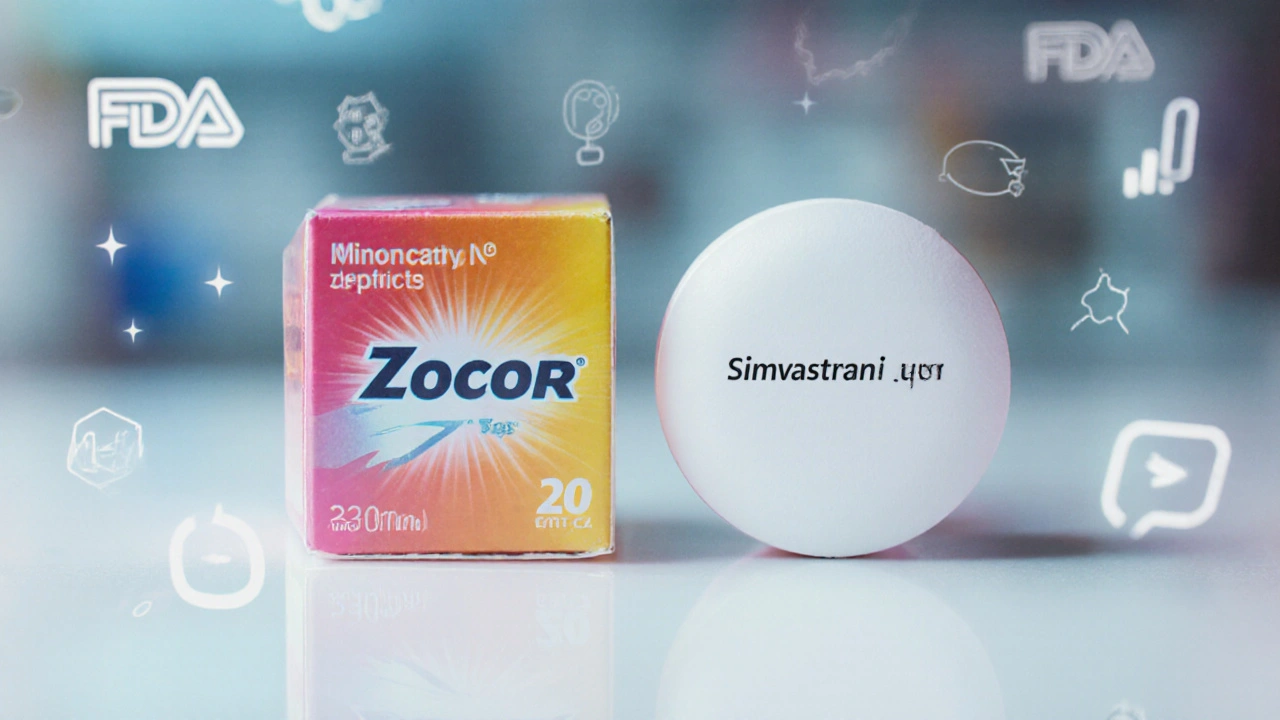
U.S. trademark law prohibits generics from copying the appearance of brand-name drugs, including color, shape, or logo. This prevents confusion. But the active ingredient, dosage, and effectiveness are identical. Differences in inactive ingredients (like dyes or fillers) don’t affect how the drug works.
Can I trust generics made in China or India?
Yes - if they’re approved by the FDA. The FDA inspects all manufacturing facilities worldwide, including those in China and India. Over 78% of active ingredients come from these countries, but every facility must meet the same CGMP standards as U.S. plants. The FDA has inspection teams stationed overseas to ensure compliance.
Why are some generic drugs more expensive than others?
Price depends on competition. If 10 companies make the same generic, prices drop sharply. If only one or two make it - especially for complex drugs - prices stay higher. Also, some generics are made by the original brand company (called “authorized generics”) and may cost more than other generics, but still less than the brand.
Do generics take longer to work than brand-name drugs?
No. Bioequivalence testing ensures generics release the active ingredient at the same rate and amount as the brand-name version. If a brand-name drug works in 30 minutes, the generic must too. Any delay would mean it failed FDA testing and wouldn’t be approved.