
Generic Medication: What It Is, Why It Works, and How to Use It Safely
When you hear generic medication, a version of a brand-name drug sold without the original company’s branding after the patent expires. Also known as generic drugs, it’s the same active ingredient, same dose, same way it works in your body — just cheaper. Most people assume generics are cut-rate or less effective, but that’s not true. The FDA requires them to pass strict bioequivalence testing, a process that proves a generic drug is absorbed into the bloodstream at the same rate and amount as the brand-name version. If it doesn’t match, it doesn’t get approved. That’s not a suggestion — it’s the law.
So why do brand-name drugs cost so much more? Mostly because of marketing, packaging, and the fact that the original company paid millions to develop the drug and get it approved. Once the patent runs out, other companies can make the same thing. No need to repeat the expensive trials. That’s why a 30-day supply of a brand-name statin might cost $200, while the generic version costs $10. Same pills. Same results. Just less branding.
Some people worry about switching from a brand to a generic — especially if they’ve been on the same medicine for years. But here’s the thing: millions of Americans switch every year without issues. If you’re on a blood thinner, an antidepressant, or a blood pressure pill, your doctor can recommend a generic version that’s just as safe. The medication cost savings, the difference in price between brand-name and generic drugs. can be life-changing for people on fixed incomes. And if you’re worried about side effects changing? That’s usually not the generic itself — it’s your brain. Fear of change can make you feel like something’s wrong, even when it’s not. Studies show the nocebo effect, when negative expectations cause real physical symptoms. is common with generics. You’re not imagining it — but it’s not the drug causing it.
Not all generics are created equal, though. There’s a type called authorized generics, the exact same drug as the brand, made by the original company but sold under a different label. These are identical in every way — down to the inactive ingredients. They’re often cheaper than the brand but more consistent than some traditional generics. If you’ve had trouble with a generic before, ask your pharmacist if an authorized version is available.
And here’s something most people don’t realize: your pharmacist can’t switch your prescription to a generic without telling you — unless your doctor says it’s okay. You have the right to ask for the brand. You also have the right to ask why a generic was chosen, and whether it’s the right one for you. That’s not being difficult — it’s being informed. If you’re on multiple meds, or have a chronic condition, knowing the difference between generic and brand-name can help you avoid dangerous interactions. Fiber supplements, herbal teas, even salt intake can change how your meds work — and that’s true whether you’re on a brand or a generic.
What you’ll find below is a collection of real, practical guides written for people who want to understand their meds — not just take them. Whether you’re switching from one BPH drug to another, trying to avoid interactions with your fiber pills, or just want to know why your blood pressure med isn’t working as well as it used to, these posts cut through the noise. No fluff. No marketing. Just facts you can use.
Quality and Efficacy: Are Authorized Generics as Good as Brand-Name Drugs?
- Elliot Grove
- on Dec 24 2025
- 11 Comments

Authorized generics are the exact same medication as brand-name drugs, made by the same company with identical ingredients and manufacturing. They offer the same effectiveness and safety at a lower cost - no trade-offs.
Are Generic Drugs Copies? The Truth Behind Generic Medications and Brand-Name Equivalence
- Elliot Grove
- on Dec 4 2025
- 12 Comments
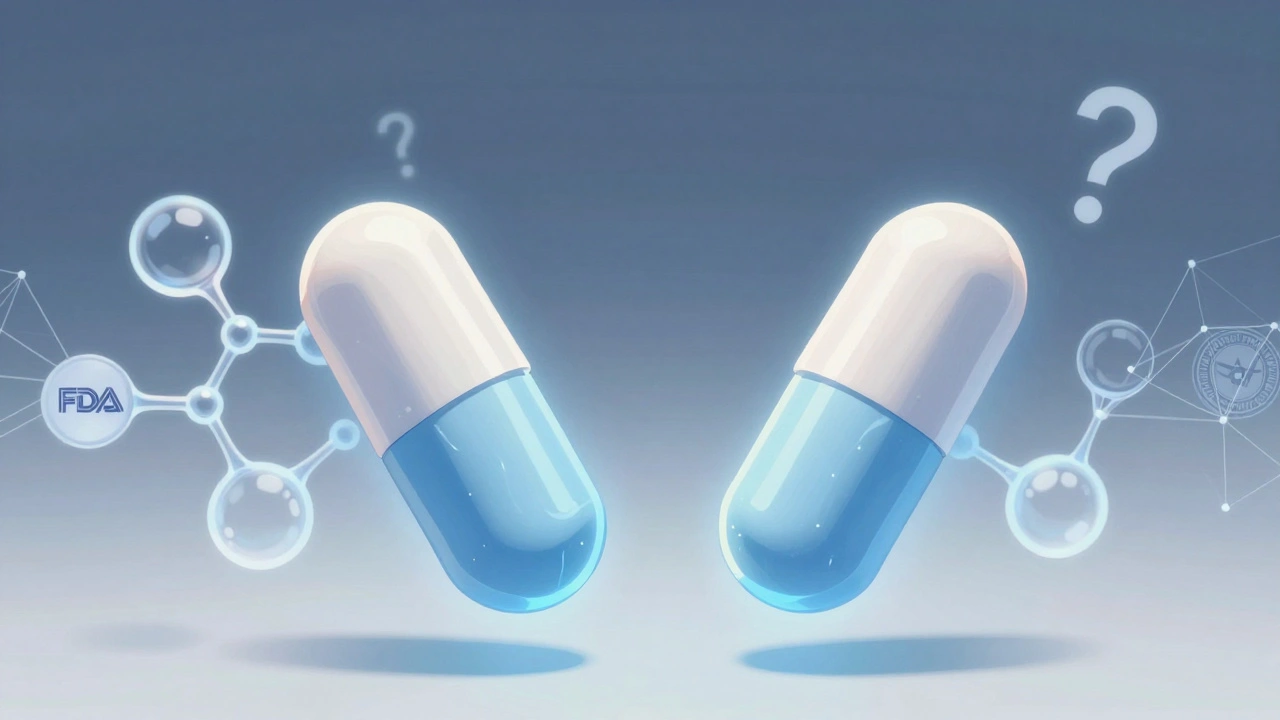
Generic drugs are not copies - they're FDA-approved equivalents with the same active ingredients, strength, and effectiveness as brand-name drugs. Learn the truth behind the myths and why generics save billions without sacrificing safety.