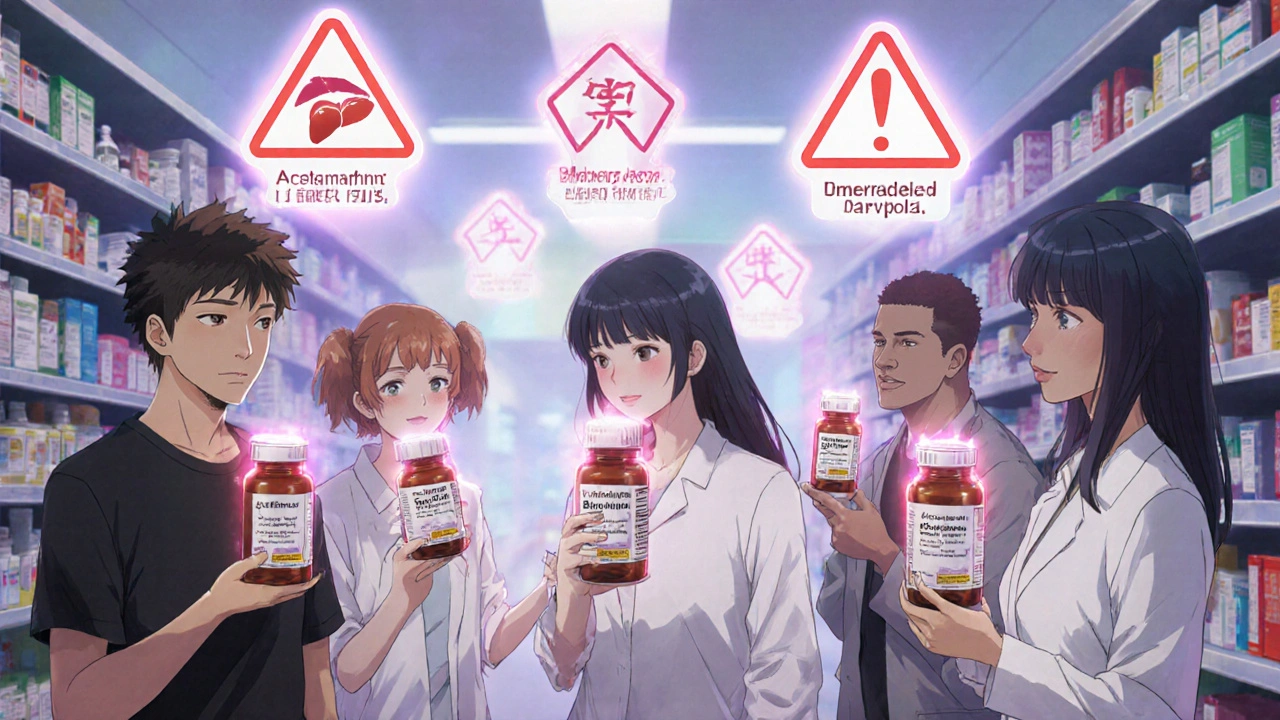

Walking down the pharmacy aisle can feel like staring at a wall of confusion. With thousands of options for a simple headache or a runny nose, it's easy to grab the first bottle that looks familiar. But here is the reality: picking the wrong product isn't just about wasting money; it can be dangerous. Whether it's accidentally doubling up on the same ingredient or taking something that clashes with your blood pressure medication, the stakes are higher than most people realize. The goal is to get you feeling better without creating a new health problem in the process.
The Fast Track to Safe Selection
- Read the Drug Facts label every single time, even if you've bought the product before.
- Check active ingredients to avoid taking two medicines with the same drug.
- Talk to your pharmacist to ensure the choice is safe for your specific health history.
- Use proper measuring tools-never use a kitchen spoon for liquid medicine.
- Stick to single-symptom relief rather than "all-in-one" multi-symptom formulas.
Mastering the Drug Facts Label
Since 1999, the FDA is the federal agency responsible for protecting public health by ensuring the safety, efficacy, and security of human and veterinary drugs has required a standardized "Drug Facts" label on all OTC medications is pharmaceutical products available for purchase without a professional prescription for the self-treatment of common health conditions. This isn't just corporate fine print; it's your primary safety manual.
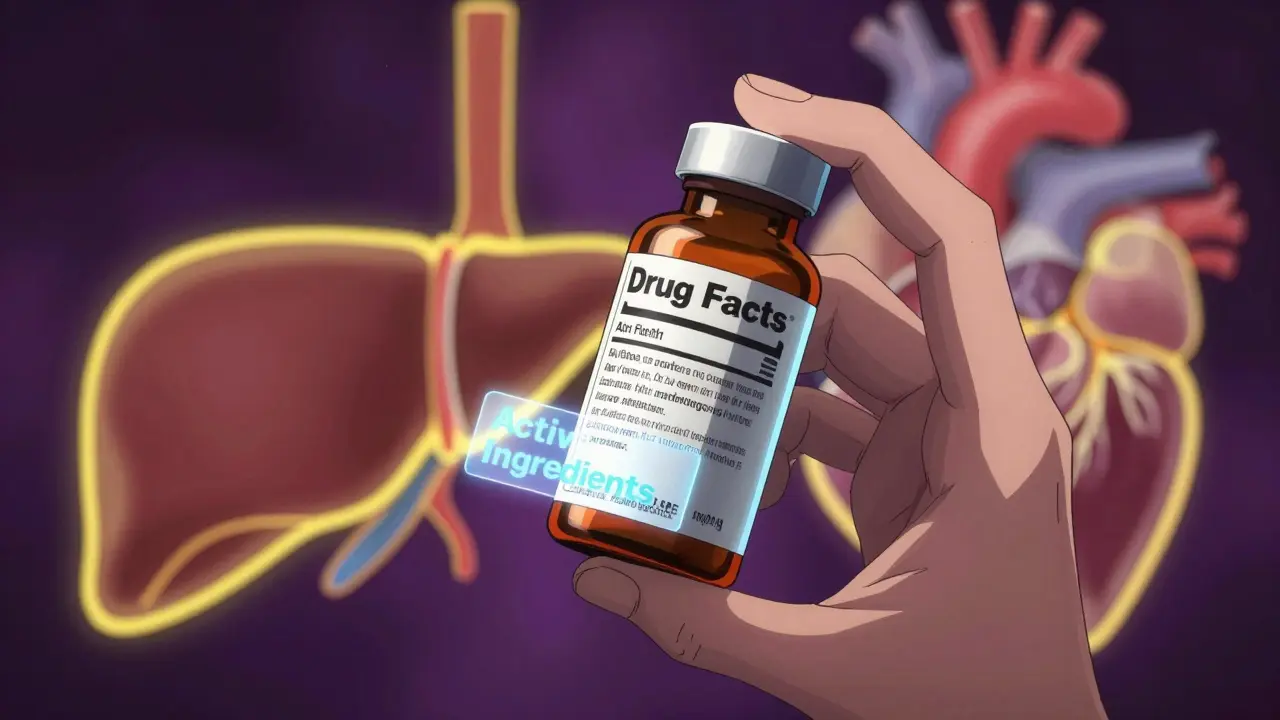
When you pick up a bottle, look for the "Active Ingredients" section first. This tells you exactly what is doing the work in the medicine. For example, if you're looking at a cold remedy, you might see dextromethorphan for a cough and phenylephrine for congestion. Why does this matter? Because many products hide the same ingredients under different brand names. If you take a multi-symptom cold pill and then take a separate pain reliever, you might accidentally take a double dose of the same drug, which can lead to toxicity.
You should also pay close attention to the "Warnings" and "Directions" sections. These aren't suggestions-they are boundaries. If a label says not to use the product if you have high blood pressure, believe it. The pharmacological effects that clear your sinuses can also spike your heart rate or blood pressure, creating a risky situation for those with pre-existing cardiovascular issues.
The Hidden Danger of Common Ingredients
Not all ingredients are created equal, and some are far more dangerous than others if misused. Take Acetaminophen is a common pain reliever and fever reducer used to treat headaches and general body pain, found in brands like Tylenol. It's one of the most common causes of emergency room visits because it's hidden in everything from sleep aids to severe cold medicines. Taking too much can lead to severe liver damage. A good rule of thumb is to never exceed the maximum daily dose listed on the bottle, regardless of how many different products you're using.
On the other hand, Ibuprofen is a nonsteroidal anti-inflammatory drug (NSAID) used to reduce inflammation and treat muscle aches, found in brands like Advil and Motrin is better for inflammation-related pain. However, it's not for everyone. People with kidney issues or those taking blood thinners need to be extremely careful. If you're unsure which one to pick, a simple comparison can help you decide based on your symptoms.
| Attribute | Acetaminophen | Ibuprofen |
|---|---|---|
| Primary Use | Headaches, Fever | Inflammation, Muscle Pain |
| Main Risk | Liver Damage (Overdose) | Stomach Irritation, Kidney Stress |
| Best For | General Pain | Swelling/Injury |
Why Your Pharmacist is Your Best Resource
The most overlooked tool in the pharmacy is the person standing behind the counter. Your Pharmacist is a healthcare professional licensed to prepare and dispense medications and provide expert advice on their safe use is essentially a free consultant. They have the clinical knowledge to spot a dangerous interaction that you might miss while glancing at a label. For instance, if you are taking a prescription sedative, a pharmacist will warn you against using an OTC sleep aid, as combining the two can dangerously depress your central nervous system.
Research shows that pharmacist consultations can reduce OTC medication errors by as much as 67%. They can help you navigate the "brand name vs. generic" debate, ensuring you get the same active ingredient without paying a premium. More importantly, they can help you with self-diagnosis. Many people treat a cough with a suppressant when they actually have a productive cough that needs to be cleared. A professional can help you determine if your symptoms require an OTC fix or if it's time to see a doctor.
Avoiding Common Dosing Disasters
Dosage errors are surprisingly common, especially with children. One of the biggest mistakes parents make is using household spoons. A kitchen "tablespoon" can vary by up to 200% in volume compared to a medical measuring spoon. This means you could be giving your child double the intended dose or not nearly enough to be effective. Always use the syringe or dosing cup that comes with the medication.
Another trap is the "multi-symptom" remedy. It's tempting to buy one bottle that claims to fix everything, but this often leads to taking medication for symptoms you don't actually have. If you only have a sore throat, why take a decongestant and a cough suppressant? Taking unnecessary drugs increases the risk of side effects without providing any benefit. The safest approach is to pick non-prescription medications that treat only the specific symptoms you are experiencing.

Special Considerations for Vulnerable Groups
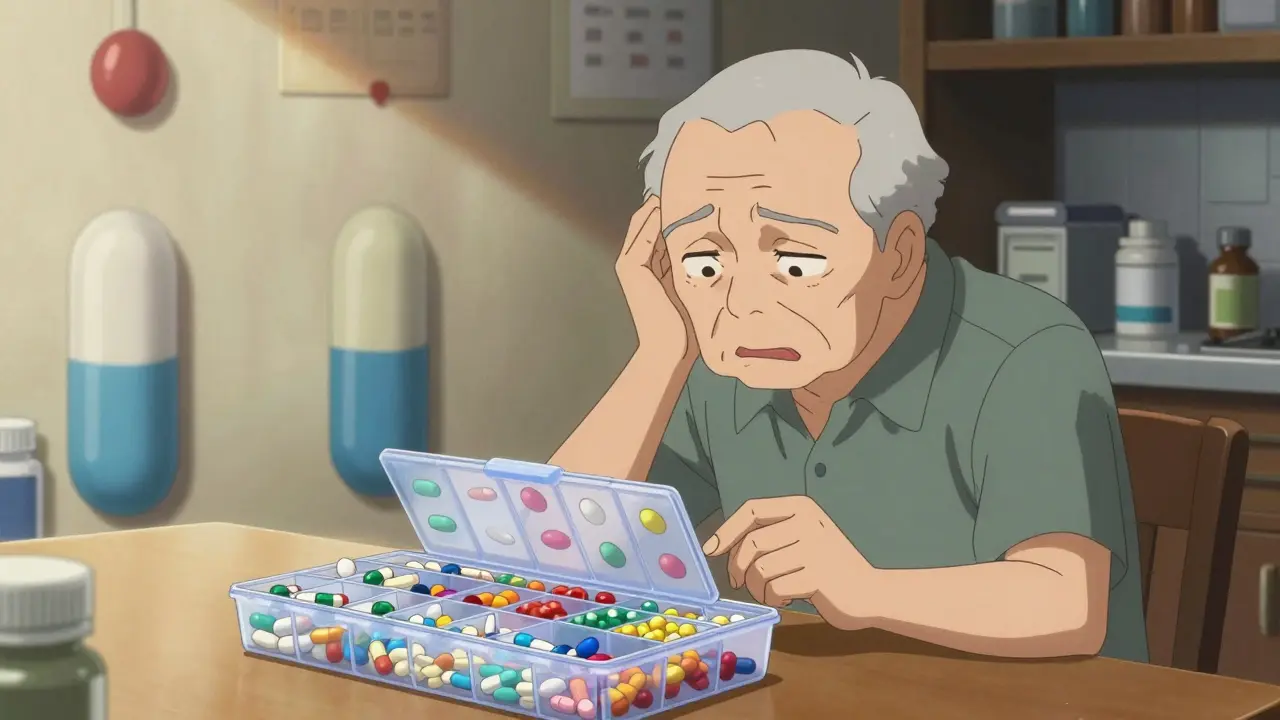
Some people are at a much higher risk for adverse reactions. Older adults, for example, often deal with polypharmacy-taking multiple prescription drugs at once. Because the body processes medicine differently as it ages, a "safe" OTC dose for a 30-year-old could be toxic for an 80-year-old. Older adults account for about 50% of adverse drug reactions despite being a small portion of the overall population.
Pregnant and breastfeeding individuals also face unique risks. Many OTC drugs cross the placenta or enter breast milk. For instance, certain NSAIDs can be dangerous during the third trimester of pregnancy. In these cases, "self-treating" is not an option; a doctor's approval is mandatory before adding any OTC product to your routine.
Can I take OTC medicines with alcohol?
Generally, no. Combining alcohol with antihistamines or cough medicines containing dextromethorphan can cause extreme drowsiness and respiratory depression. Additionally, mixing alcohol with acetaminophen significantly increases the risk of liver damage.
Is the generic version as safe as the brand name?
Yes. Generic medications must contain the same active ingredients and meet the same quality and safety standards as the brand-name versions. The only differences are usually the inactive ingredients (like fillers or flavors) and the price.
What should I do if I accidentally take too much of an OTC drug?
If you suspect an overdose, contact a poison control center or seek emergency medical care immediately. Do not wait for symptoms to appear, as some damages (like liver toxicity from acetaminophen) may not be apparent until it is too late to intervene effectively.
Do OTC medications expire?
Yes, they do. Over time, active ingredients break down, meaning the medicine may become less effective or, in rare cases, chemically unstable. Always check the expiration date on the bottle and discard old medications properly.
Why can't I use a regular spoon for liquid medicine?
Household spoons are designed for eating, not measuring. Because their size varies wildly, you cannot guarantee an accurate dose. Always use the calibrated measuring device (cup or syringe) provided with the medication to ensure safety.
What to Do Next
If you're currently taking multiple prescription medications, your first step should be to create a complete list of everything you use. Bring this list to your pharmacist and ask them to review it against any OTC products you're considering. If you're shopping for a child, double-check that you have the correct measuring tool and that you're dosing based on weight rather than just age.
If you find yourself needing the same OTC medication every week for a chronic issue, stop and schedule a doctor's visit. OTC drugs are designed for short-term relief. Using them long-term without medical supervision can mask a more serious underlying condition or lead to "rebound" symptoms, where the condition actually worsens because of the medication.