
Tamoxifen & SSRI Interaction Guide
How Antidepressants Affect Tamoxifen
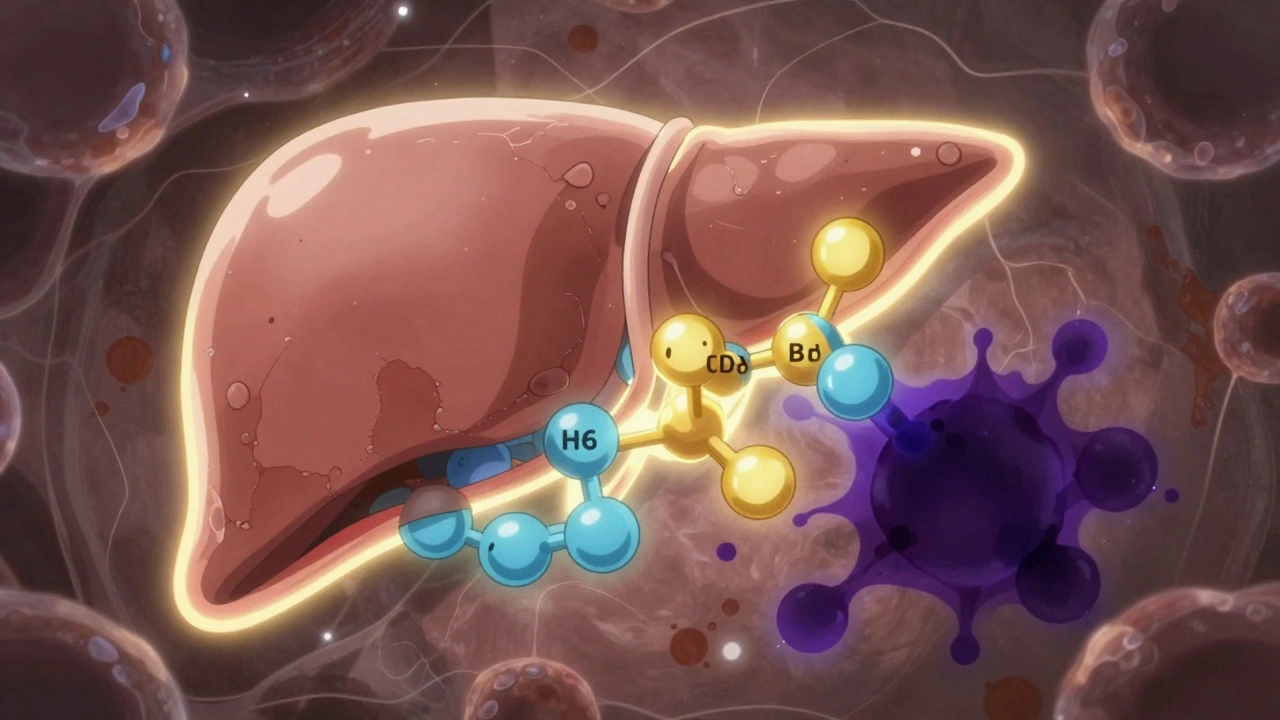
Tamoxifen needs to be converted to endoxifen by the CYP2D6 enzyme in your liver. Some antidepressants block this enzyme, potentially reducing tamoxifen's effectiveness. However, the clinical evidence shows these interactions are often less significant than previously thought.
Note: Most large studies show that even strong inhibitors don't significantly increase breast cancer recurrence risk. Treatment for depression is important for your overall health and recovery.
| Antidepressant | Inhibition Level | Recommendation |
|---|---|---|
| Paroxetine (Paxil) |
Avoid if possible
Caution: Strong CYP2D6 inhibitor. Switching recommended if possible, but don't stop abruptly.
|
|
| Fluoxetine (Prozac) |
Avoid if possible
Caution: Strong CYP2D6 inhibitor. Consider alternatives.
|
|
| Sertraline (Zoloft) |
Moderate caution
Consider switching if you experience side effects.
|
|
| Venlafaxine (Effexor) |
Generally safe
Good choice: Weak inhibitor, effective for depression.
|
|
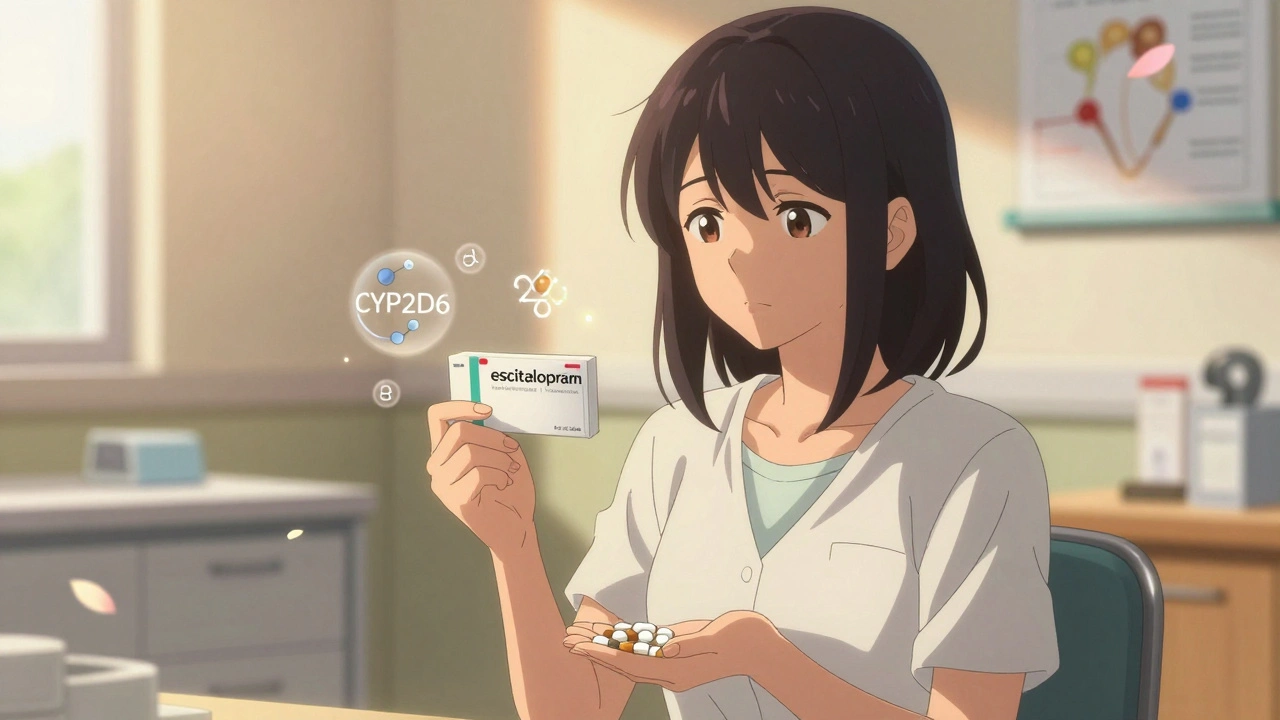
| Escitalopram (Lexapro) |
Generally safe
Preferred choice: Weak inhibitor, effective for depression.
|
|
| Citalopram (Celexa) |
Generally safe
Good option: Weak inhibitor, commonly used.
|
|
| Mirtazapine (Remeron) |
Minimal interaction
Very low impact on tamoxifen metabolism.
|
If you're already taking an antidepressant
Do not stop or change your antidepressant without talking to your doctor.
If you're on paroxetine or fluoxetine and feeling well:
- Don't stop abruptly (can cause withdrawal symptoms)
- Discuss alternatives if you experience side effects
- Don't switch just because of theoretical risk
If you need to start an antidepressant
Focus on:
- Effectiveness for your symptoms
- Side effect profile
- Personal preference
When you’re taking tamoxifen for estrogen receptor-positive breast cancer, your body doesn’t just use the pill as-is. It turns it into something stronger-endoxifen. That’s the real fighter against cancer cells. But if you’re also on an SSRI for depression, that process can get messed up. Not all SSRIs do this the same way. And here’s the thing: the science has shifted dramatically in the last five years. What doctors used to worry about might not matter as much as we thought.
How Tamoxifen Actually Works
Tamoxifen isn’t active on its own. It’s a prodrug. Your liver turns it into endoxifen using an enzyme called CYP2D6. Endoxifen is 30 to 100 times more powerful than tamoxifen at blocking estrogen in breast tissue. Without enough endoxifen, tamoxifen’s effectiveness drops. That’s why doctors started looking at CYP2D6-a gene that controls how well your body makes this enzyme.
Some people are born with slow CYP2D6 activity. About 7-10% of people of European descent are “poor metabolizers.” Their endoxifen levels can be 25-75% lower than normal. That sounds alarming. But does it mean they get more cancer recurrences? Not necessarily. Studies show mixed results. Some say yes. Others say no.
SSRIs Can Block the Enzyme-But Not All the Same
SSRIs help with depression, anxiety, and hot flashes. But they also interfere with CYP2D6. The strength varies. Think of it like a dimmer switch:
- Strong inhibitors: Paroxetine (Paxil), fluoxetine (Prozac) - they turn the enzyme off almost completely.
- Moderate inhibitors: Sertraline (Zoloft), venlafaxine (Effexor) - they dim it a bit.
- Weak inhibitors: Citalopram (Celexa), escitalopram (Lexapro) - barely touch it.
A 2010 Mayo Clinic study found paroxetine cut endoxifen levels by more than half. That’s a big drop. But here’s the twist: when researchers looked at actual cancer outcomes, the picture changed.
The Clinical Evidence: Does It Really Matter?
Here’s where things get confusing. Some early studies said yes-paroxetine increases recurrence risk. A 2009 Canadian study of 2,430 women found a 24% higher risk of death from breast cancer when paroxetine was taken for more than six months. That sent shockwaves through oncology.
But then came bigger, better studies.
In 2016, Kaiser Permanente looked at over 16,000 women followed for up to 14 years. They found no increased risk of breast cancer recurrence or death, even with paroxetine. Same with a Danish study of 16,254 women published in JAMA Internal Medicine. Even the FDA reviewed 15 studies and concluded: “Available data do not establish a clinically significant interaction.”
Why the disconnect? Smaller studies often didn’t adjust for cancer stage, age, or other meds. Bigger studies did. Also, tamoxifen has backup pathways. CYP3A4 and CYP2C9 can still make endoxifen, even if CYP2D6 is blocked. Your body isn’t just relying on one switch.
Guidelines Have Changed-Here’s What Doctors Do Now
ASCO (American Society of Clinical Oncology) updated its guidelines in 2022. Their message? Don’t avoid antidepressants because of tamoxifen. If you need an SSRI, pick one that works for you-not one that’s “safe” on paper.
NCCN guidelines are more cautious. They still recommend avoiding paroxetine and fluoxetine if possible. But they also say: choose based on side effects, effectiveness, and patient preference.
Real-world practice has caught up. A 2022 survey of 1,247 U.S. oncologists showed 68% no longer avoid all SSRIs with tamoxifen. That’s up from just 32% in 2015. More people are switching to escitalopram or venlafaxine-not because they’re proven better, but because they’re less likely to interfere.
What Should You Do?
If you’re on tamoxifen and feeling down, don’t suffer in silence. Depression is common-up to 30% of women on tamoxifen report it. Untreated depression hurts your recovery more than a mild drop in endoxifen.
Here’s what to do:
- Ask your oncologist or pharmacist to check your current antidepressant. Use the Flockhart Table-it’s the standard tool for CYP2D6 inhibition ratings.
- If you’re on paroxetine or fluoxetine, talk about switching. Escitalopram, citalopram, or venlafaxine are good alternatives.
- Don’t stop your SSRI cold turkey. Tapering matters. Ask your doctor how to switch safely.
- Don’t demand CYP2D6 genetic testing. ASCO and the FDA don’t recommend it anymore. The data doesn’t support it for routine use.
What About the Future?
The SWOG S1713 trial, wrapping up in 2025, is the first to randomly assign women to either paroxetine or placebo while on tamoxifen-while measuring endoxifen levels in real time. That’s the gold standard. If it shows no difference in cancer outcomes, this debate will be over.
Already, experts like Dr. Nancy Davidson and Dr. Veronique Michaud say CYP2D6 testing for tamoxifen will become obsolete-like TPMT testing for chemotherapy. We’ve seen this before. A drug interaction looks scary in the lab. Then real-world data shows it doesn’t change outcomes.
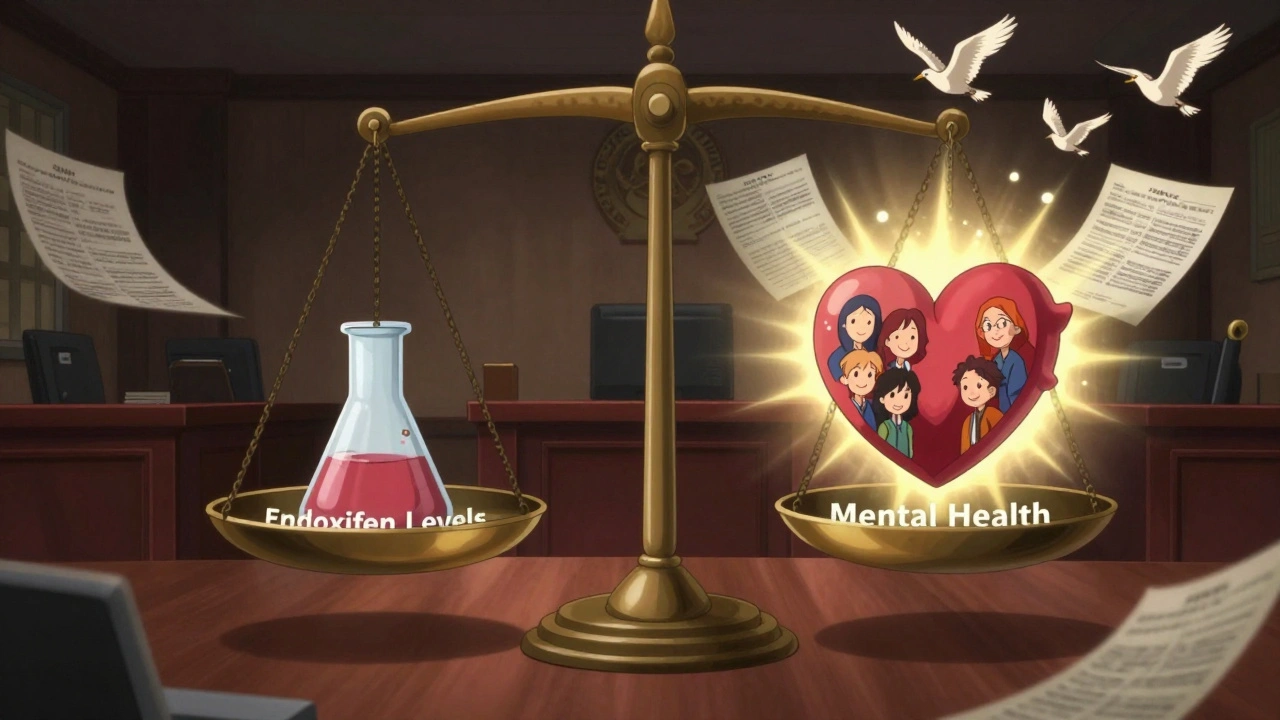
For now, the best advice is simple: treat your depression. Take your tamoxifen. Choose an SSRI that helps you feel better-and trust your doctor’s judgment over a theoretical risk.
Common Myths Debunked
- Myth: All SSRIs ruin tamoxifen. Truth: Only strong inhibitors like paroxetine and fluoxetine have major effects-and even those don’t always lead to worse outcomes.
- Myth: You need genetic testing before starting tamoxifen. Truth: ASCO and the FDA say no. Testing isn’t proven to improve survival.
- Myth: If you’re on paroxetine, you’re doomed. Truth: No study has shown that stopping paroxetine improves survival. Many women on it have done fine.
- Myth: Venlafaxine isn’t an SSRI, so it’s safer. Truth: Venlafaxine is an SNRI, not an SSRI, but it’s still a weak CYP2D6 inhibitor and is often recommended as an alternative.
Bottom Line
The science isn’t perfect. But the weight of evidence now says this: the interaction between tamoxifen and SSRIs is real in the lab, but not in real life. Your mental health matters more than a small, unproven drop in endoxifen. If you’re depressed, get help. If you’re on paroxetine, talk to your doctor about switching-but don’t panic. Your survival isn’t hanging on one drug interaction.
Can I take Lexapro with tamoxifen?
Yes. Escitalopram (Lexapro) is a weak CYP2D6 inhibitor and is one of the safest SSRIs to use with tamoxifen. Many oncologists now recommend it as a first choice for depression in women on tamoxifen because it’s effective, has fewer side effects, and doesn’t interfere much with tamoxifen’s metabolism.
Is paroxetine dangerous with tamoxifen?
It’s not dangerous in the way most people think. Paroxetine can reduce endoxifen levels by over 50% in lab tests. But large clinical studies haven’t shown that this leads to more cancer recurrences or deaths. Still, because it’s a strong inhibitor, many doctors avoid it and choose alternatives like escitalopram or venlafaxine-especially if you’re starting treatment.
Should I get tested for CYP2D6 gene variants?
No, not routinely. Major guidelines from ASCO, the FDA, and ESMO no longer recommend CYP2D6 testing for tamoxifen users. Studies show that even poor metabolizers don’t consistently have worse outcomes. Testing adds cost and anxiety without proven benefit. Focus on how you feel and your treatment response instead.
What if I’m already on paroxetine and doing well?
If you’re stable, not having side effects, and your cancer is under control, don’t rush to switch. There’s no strong evidence that stopping paroxetine will improve your cancer outcome. Changing antidepressants can cause withdrawal or worsen depression. Talk to your doctor about risks and benefits-but don’t assume you need to change.
Do other antidepressants affect tamoxifen?
Most don’t. Mirtazapine, bupropion, and trazodone have little to no effect on CYP2D6. Venlafaxine (an SNRI) is a weak inhibitor and is often used as an alternative. Avoid fluoxetine and paroxetine if you can. But if you’re on another antidepressant and it’s working, stick with it-unless your doctor says otherwise.


