
Nocebo Effect: How Negative Expectations Can Make You Feel Worse
When you believe a treatment will hurt you, it sometimes does—even if the treatment is harmless. This is the nocebo effect, the negative counterpart to the placebo effect, where expectations of harm trigger real physical symptoms. Also known as negative placebo effect, it’s not in your head—it’s in your body. Your brain hears a warning, sends stress signals, and suddenly you’ve got nausea, headaches, or pain—even when the pill is just sugar.
The placebo effect, the well-documented phenomenon where positive expectations improve health outcomes gets all the attention, but the nocebo effect, its darker twin, is just as powerful—and far more common than you think. Doctors warning about side effects can accidentally cause them. Reading a long list of possible reactions online? That’s often enough to trigger real symptoms. Studies show patients told about dizziness from a drug report dizziness more often—even when they got a dummy pill. It’s not weakness. It’s biology. Your nervous system responds to what you believe, not just what’s in the bottle.
This isn’t just about pills. The negative expectations, deeply held fears about medication, procedures, or health conditions can turn routine treatments into nightmares. Someone afraid of statins might blame muscle pain on the drug, even if it’s unrelated. A patient told their blood pressure med might cause fatigue starts feeling tired—and the cycle feeds itself. The psychological impact on health, how thoughts and emotions directly influence physical well-being is real, measurable, and often ignored in medical advice.
What you’ll find here are real stories and science-backed insights from posts that dig into how fear shapes treatment. From how OTC meds trigger unexpected side effects because of scary labels, to why patients on blood pressure drugs react worse after reading about sodium risks, to how antidepressant warnings can worsen depression symptoms before the drug even kicks in—these aren’t coincidences. They’re patterns. You’ll see how the same drug can feel different depending on what you’ve been told. And you’ll learn how to spot when your own expectations might be working against you—so you can take back control of your health without dismissing real symptoms.
Placebo Effect with Generics: Why Perception Affects Medication Outcomes
- Elliot Grove
- on Jan 14 2026
- 15 Comments
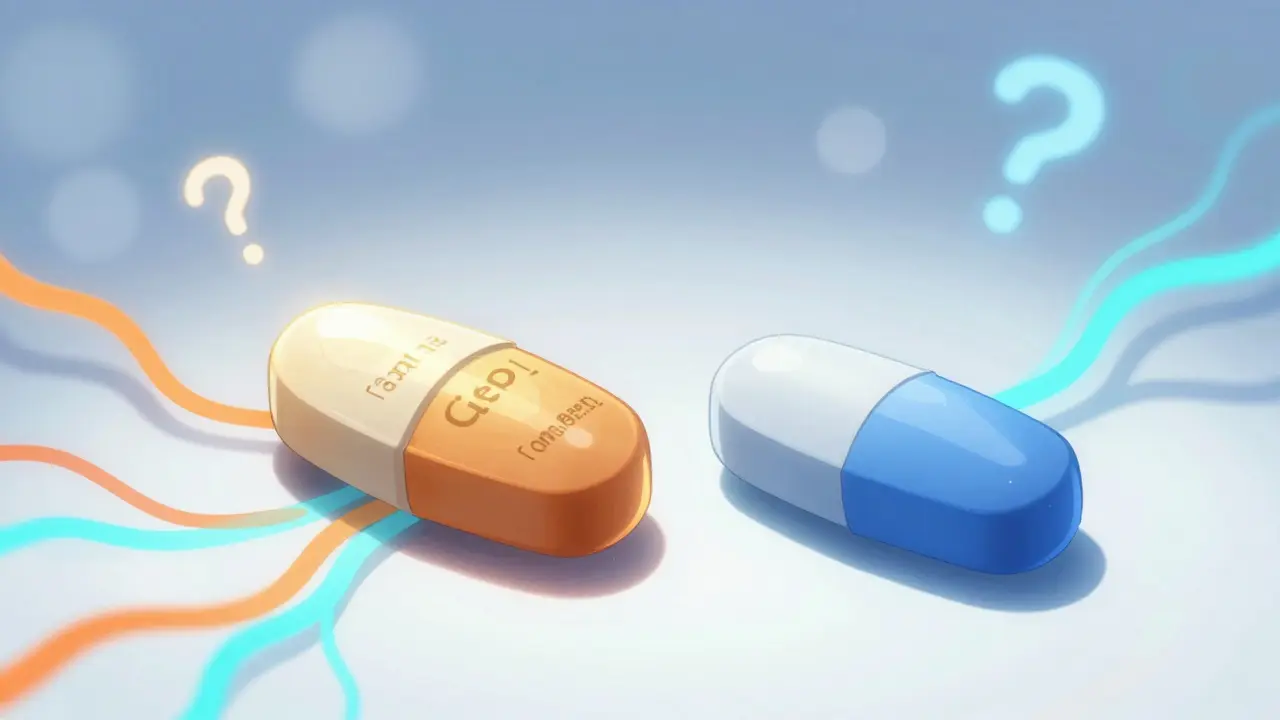
Generic drugs work just as well as brand-name versions-but your belief in them can make all the difference. Learn how perception, branding, and price shape real health outcomes through the placebo and nocebo effects.
Psychological Strategies to Manage Anxiety About Medication Side Effects
- Elliot Grove
- on Nov 22 2025
- 6 Comments

Learn proven psychological strategies to reduce anxiety about medication side effects, improve adherence, and avoid unnecessary treatment stops. Discover how fear can mimic symptoms - and how to break the cycle.