

If your skin stings when you apply moisturizer, turns red after using a new cleanser, or breaks out without any obvious reason, you’re not alone. Millions of people deal with sensitive skin every day-and a big part of the problem might be hiding in plain sight: fragrance.
Why Fragrance Is the #1 Trigger for Sensitive Skin
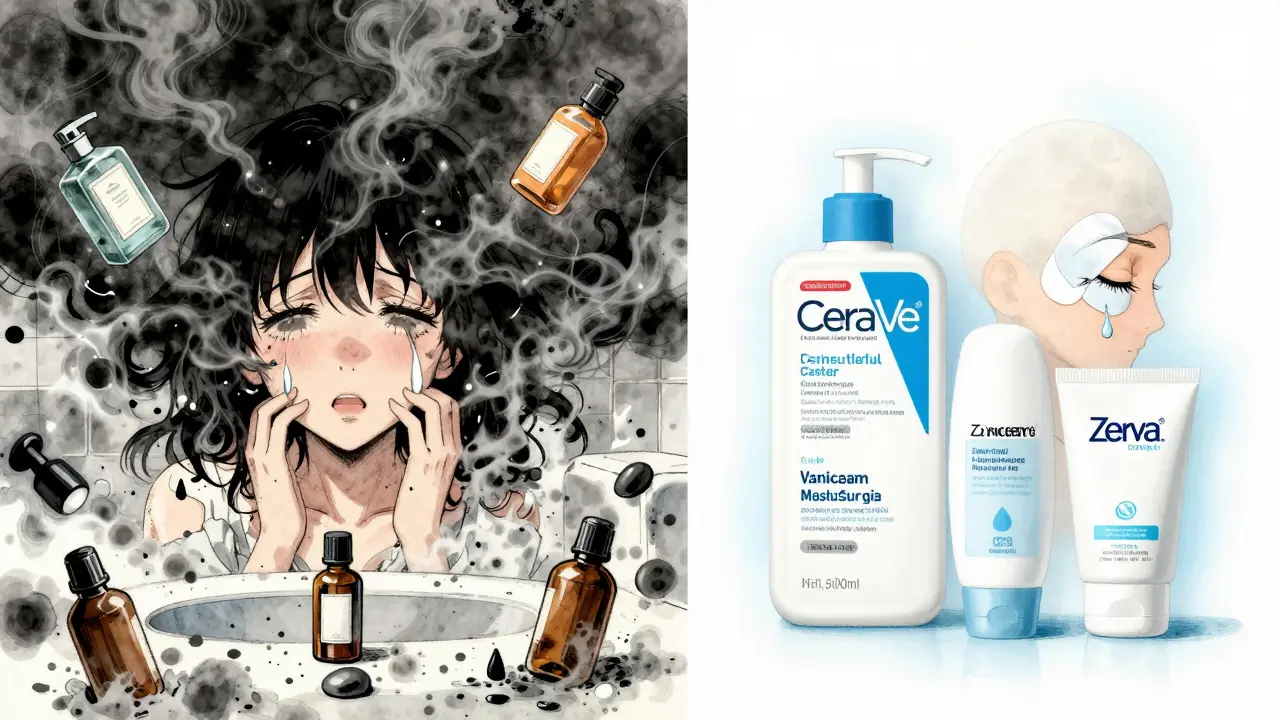
Fragrance isn’t just about smell. In skincare, it’s one of the most common irritants out there. The American Contact Dermatitis Society found that fragrance compounds cause 30-45% of all cosmetic-related skin reactions. That’s nearly half. And it’s not just synthetic scents. Even products labeled "natural" or "essential oil-based" can trigger reactions. Lavender, citrus, and tea tree oil? They’re not safer-they’re just different kinds of irritants. Dermatologists like Dr. Whitney Bowe and Dr. Sandy Skotnicki confirm this in clinical practice. Dr. Skotnicki’s 2023 study showed that removing fragrance reduced inflammatory markers in sensitive skin by 57%. That’s not a small improvement. That’s life-changing for people with eczema, rosacea, or chronic redness. Here’s the catch: "Fragrance-free" doesn’t always mean what you think. The term "unscented" often hides masking fragrances-chemicals added to cover up the smell of other ingredients. True fragrance-free means zero added scent compounds, whether synthetic or plant-based. Always check the ingredient list. If you see "fragrance," "parfum," "aroma," or "essential oils," skip it.What Makes a Fragrance-Free Product Actually Work?
Not all fragrance-free products are created equal. Some are just plain water with a few additives and a label. The ones that actually help your skin have specific, science-backed ingredients. Look for these three key components:- Ceramides (0.5-3%): These are the building blocks of your skin’s barrier. When your barrier is weak, irritants slip in. Ceramides help rebuild it.
- Hyaluronic acid (0.5-2%): Draws water into your skin without clogging pores. It doesn’t hydrate-it helps your skin hold onto moisture.
- Glycerin (3-10%): A humectant that pulls moisture from the air into your skin. Simple, effective, and non-irritating.
How to Test New Products Without Wrecking Your Skin
Jumping straight into a new product is how most people ruin their skin. The right way? Patch testing. Here’s the protocol dermatologists recommend:- Apply a small amount of the product behind your ear.
- Leave it on for 72 hours. Don’t wash it off. Don’t apply anything else there.
- Check daily for redness, itching, burning, or swelling.
Building a Minimalist Fragrance-Free Routine
You don’t need 10 products. In fact, the more you use, the higher the chance of a reaction. Start with just three:- Fragrance-free cleanser: Use once a day, preferably at night. Over-cleansing dries out your barrier. Morning rinse with water is fine for most.
- Fragrance-free moisturizer: Apply to damp skin within 30 seconds of washing. This locks in moisture before it evaporates. Ceramides + glycerin are your best friends here.
- Mineral sunscreen (zinc oxide, SPF 30+): Chemical sunscreens often contain fragrances and preservatives that irritate sensitive skin. Zinc oxide sits on top of your skin-it’s physical protection, not chemical absorption.
What to Avoid (Even If It’s "Natural" or "Hypoallergenic")
Marketing lies. A lot. "Hypoallergenic" has no legal definition in the U.S. A product can call itself hypoallergenic and still contain fragrance. Cleure’s 2023 analysis found that 58% of products marketed for sensitive skin still had undisclosed fragrance ingredients. Avoid these common troublemakers:- Essential oils (lavender, peppermint, eucalyptus)
- Alcohol denat. (drying)
- Sulfates (SLS, SLES)-they strip your barrier
- Parabens, phthalates, and formaldehyde releasers
- Botanical extracts (chamomile, green tea, aloe)-yes, even "natural" ones can trigger reactions
Real Results: What People Actually Experience
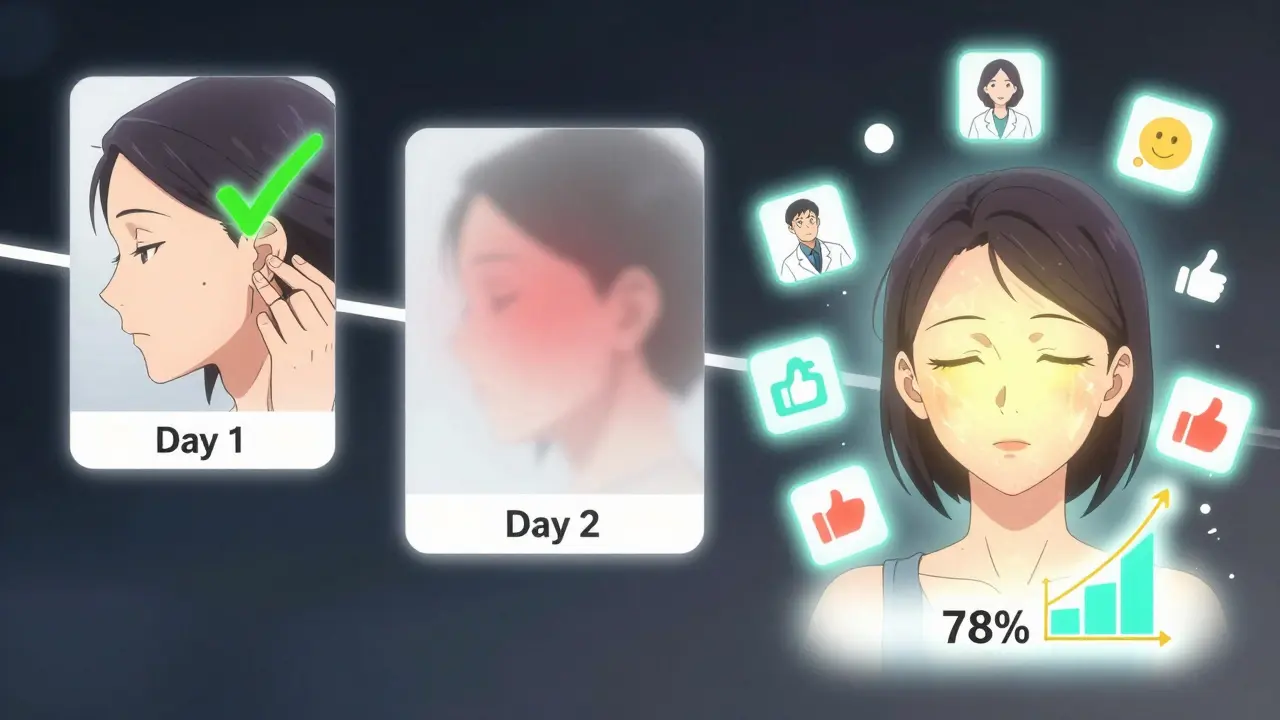
Reddit’s r/SkincareAddiction community has over 1.2 million members. In a 2023 survey, 78% of users with sensitive skin saw major improvement within 4-6 weeks of switching to fragrance-free products. The top benefits?- 83% reported less redness
- 76% said their skin stopped reacting to weather, pollution, or stress
- 62% felt less tightness after cleansing
- 47% saw measurable hydration gains
Cost, Availability, and the Future of Fragrance-Free
Fragrance-free products cost more. On average, $28.50 vs. $22.75 for scented ones. But consider this: if a $25 product stops your skin from flaring up every week, you’re saving money on doctor visits, steroid creams, and lost confidence. The market is growing fast. In 2023, fragrance-free skincare hit $3.8 billion globally-up 17% from the year before. Mainstream brands like CeraVe now generate $1.2 billion annually from their fragrance-free lines. Dermstore reports a 214% spike in fragrance-free searches between 2019 and 2023. New developments are coming. California’s proposed Fragrance Ingredient Transparency Act (AB 1234) would force full disclosure of every fragrance component. Right now, companies can list "fragrance" as one ingredient and hide dozens of chemicals. That could change. And brands are listening. SVR’s SENSIFINE Cleansing Balm, with just 9 ingredients, saw 200% sales growth in 2023. Cleure launched a clinical trial kit adopted by 1,200 dermatology practices. This isn’t a trend. It’s a medical shift.When Fragrance-Free Isn’t Enough
Sometimes, even a perfect routine doesn’t fix everything. If your skin still stings, flakes, or burns after 8 weeks of fragrance-free care, it might be something deeper: rosacea, perioral dermatitis, or contact dermatitis from another source-like laundry detergent or makeup brushes. Talk to a dermatologist. They can do patch testing to identify specific allergens. The National Eczema Association’s app (used by over 285,000 people) helps verify safe products. And 87% of U.S. dermatologists keep fragrance-free samples on hand for patients. Don’t give up. Your skin isn’t broken. It’s just overworked. With the right routine, it can heal.Can I use essential oils if I have sensitive skin?
No. Essential oils like lavender, tea tree, and citrus are common irritants-even if they’re labeled "natural." Dr. David J. Leffell’s research shows 22% of sensitive skin patients react to them. They’re not safer; they’re just different triggers.
What’s the difference between "fragrance-free" and "unscented"?
"Fragrance-free" means no added scent compounds at all. "Unscented" means the product has masking fragrances added to cover up the smell of other ingredients. Always check the ingredient list-"fragrance" or "parfum" means it’s not truly fragrance-free.
How long should I patch test a new product?
At least 72 hours. Many reactions are delayed and won’t show up until after 48 hours. Testing behind the ear is the gold standard-it’s sensitive skin, but not your face. If there’s no reaction after 3 days, it’s likely safe to try on your face.
Do I need to use fragrance-free sunscreen?
Yes. Chemical sunscreens often contain fragrances and preservatives that irritate sensitive skin. Stick to mineral sunscreens with zinc oxide or titanium dioxide. They sit on top of your skin and don’t trigger reactions. Look for SPF 30+ and avoid "tinted" versions unless they’re labeled fragrance-free.
Is fragrance-free skincare only for people with eczema or rosacea?
No. While 41% of users have diagnosed conditions, 59% are self-identified as having sensitive skin without a formal diagnosis. Fragrance-free routines help anyone with reactive, red, or easily irritated skin-even if they don’t have a label for it.
Why do fragrance-free products feel "clinical" or "bland"?
Because they are. They’re designed for function, not sensory appeal. They lack fragrances, dyes, and flashy textures to reduce irritation. That’s the point. If you miss scent, try the "wrist perfume method"-apply fragrance to your wrists before your skincare routine. Your face stays calm, and you still get the smell.


