

Every year, millions of people reach for a pain-relieving cream, gel, or patch when their back aches, knees throb, or shoulders stiffen. It’s easy to assume these over-the-counter (OTC) options are harmless-after all, you don’t need a prescription. But OTC topical pain relievers aren’t risk-free. Used the wrong way, they can cause serious harm-even burns, irregular heartbeats, or seizures.
What’s Actually in These Products?
Not all topical pain relievers are the same. The active ingredients determine how they work-and how dangerous they can be if misused.- Menthol (often 10% in products like Aspercreme Heat Gel) creates a cooling sensation that distracts from pain. But Health Canada found a clear link between menthol-containing products and rare, serious skin burns. These aren’t mild irritations-they’re deep chemical burns that can require medical treatment.
- Methyl salicylate (a cousin of aspirin) reduces inflammation and gives a warming feeling. It’s generally safer than menthol when used correctly, but people with aspirin allergies or those on blood thinners should avoid it.
- Capsaicin (0.025%-0.1% in OTC formulas) comes from chili peppers. It works by depleting a pain-signaling chemical in nerves. It takes days to build up effectiveness and must be applied 3-4 times daily. Many users don’t realize they need to wear gloves or use a roller applicator-otherwise, they risk burning their eyes or nose by accident.
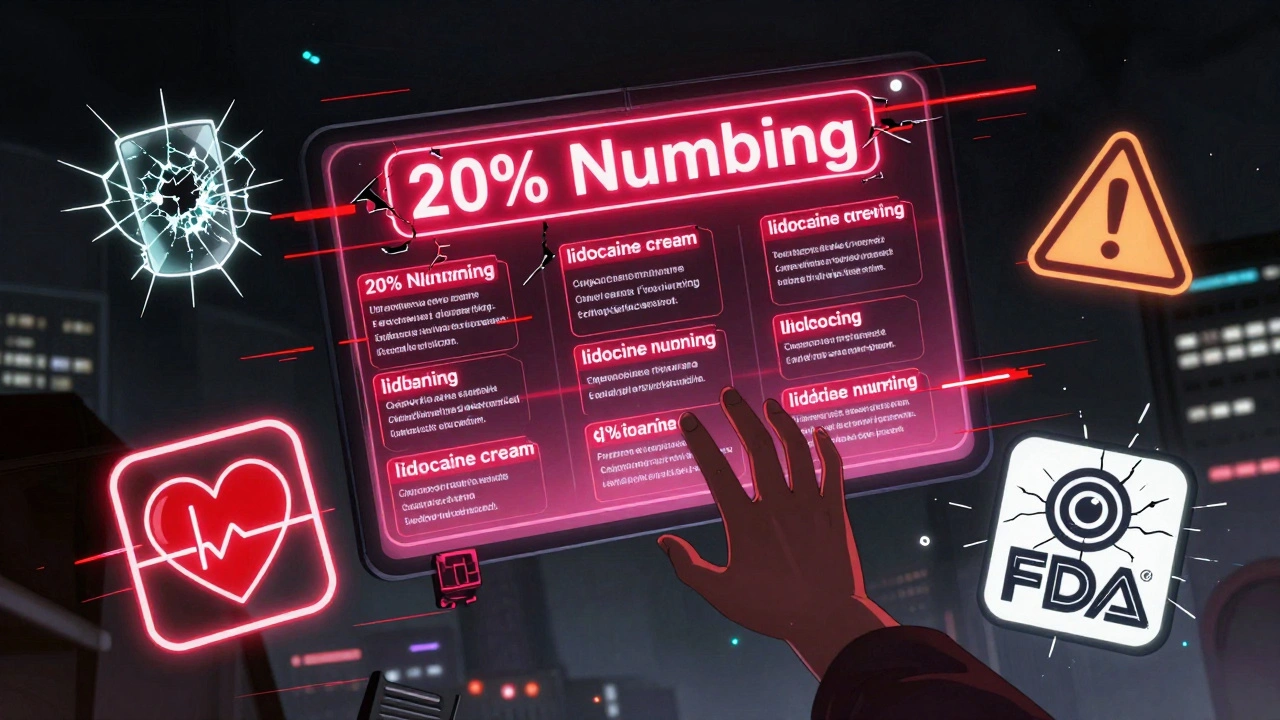
- Lidocaine is the most dangerous when misused. The FDA allows only up to 4% lidocaine in OTC products. But illegal products sold online-marketed for use before tattoos, laser hair removal, or microdermabrasion-contain up to 20%. These can be absorbed through the skin during procedures and cause life-threatening heart rhythm problems, seizures, or breathing failure.
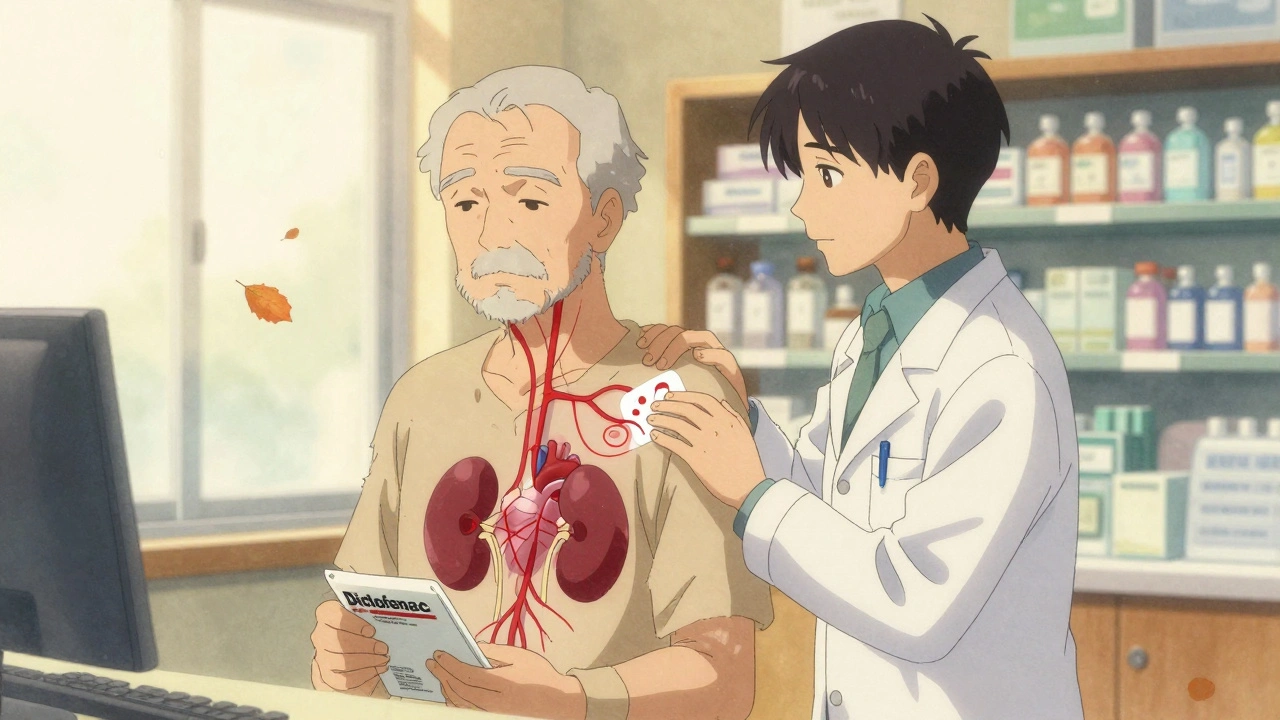
- Diclofenac is a topical NSAID available by prescription in higher strengths, but some OTC versions exist in lower doses. Like oral NSAIDs, it can affect kidney function and blood pressure if used too often or on large areas of skin.
The Real Risks You Might Not Know
Most people think topical means safe because it doesn’t go into the stomach. That’s not true. The skin absorbs these chemicals-and sometimes, too much gets in.- Applying menthol-containing gels and then wrapping the area with a heating pad or tight bandage increases absorption and raises burn risk. Don’t do it.
- Using these products on broken, sunburned, or irritated skin lets more chemicals enter your body. That’s when serious reactions happen.
- People with kidney problems, high blood pressure, or heart disease should be extra careful with any topical NSAID, including diclofenac. Even small amounts can build up.
- Some users report that pain relief fades over time. That’s tolerance. Instead of applying more, talk to a pharmacist. You might need a different approach.
- Children and older adults are more sensitive to these ingredients. A patch meant for an adult can cause a child’s blood pressure to drop dangerously low.
The FDA has taken action against six companies-Bella’s Beauty Supply, DermaRoller Store, DermaSelect, DermaWand, DermaFlash, and DermaSweep-for selling illegal high-dose lidocaine products. These aren’t rare outliers. They’re easy to find online, often disguised as "numbing creams" for cosmetic procedures. The FDA says they’ve been warning consumers about these for over a decade-and they’re still showing up.
How Topical Pain Relievers Compare to Oral Pills
Many choose creams or patches because they want to avoid swallowing pills. And for good reason.- Oral NSAIDs like ibuprofen or naproxen carry a 1-2% risk of stomach bleeding in regular users, according to the Mayo Clinic.
- They can raise blood pressure, damage kidneys, and increase heart attack risk over time.
- Topical versions deliver less of the drug into your bloodstream. Harvard Health says they’re a safer choice for joint pain or muscle strains because of this.
- But don’t assume topical = zero risk. If you use too much, too often, or on large areas, you can still get side effects. The Cleveland Clinic warns that even topical anti-inflammatories can cause complications if misused.
For many people, especially those with osteoarthritis or minor sports injuries, topical pain relievers are the smart first step. But they’re not a magic fix. They work best for localized pain-not widespread inflammation or nerve pain.
How to Use Them Safely
Follow these rules every time:- Read the label-not just the front. Look for active ingredients and warnings.
- Never use on broken skin. That includes cuts, rashes, sunburns, or open wounds.
- Avoid heat. No heating pads, hot water bottles, or saunas after applying menthol or methyl salicylate.
- Keep away from eyes, nose, and mouth. Wash hands thoroughly after use. Use gloves or a roller applicator for capsaicin.
- Don’t combine with other pain patches or creams. You could overdose on the same ingredient.
- Stop if you feel burning, stinging, or redness that lasts more than a few minutes. That’s not normal-it’s a sign of irritation or damage.
- Don’t use longer than 7 days without checking in with a pharmacist or doctor. If it’s not helping, it’s time for a different plan.
Who Should Avoid These Products?
Some people should skip topical pain relievers entirely-or use them only under supervision:- People allergic to aspirin or salicylates (methyl salicylate is related to aspirin)
- Those taking blood thinners like warfarin or rivaroxaban
- People with kidney disease, liver disease, or heart failure
- Children under 12 (unless directed by a doctor)
- Adults over 65 with multiple health conditions
- Pregnant or breastfeeding women (check with your provider)
If you’re unsure, talk to your pharmacist. Most don’t wait for you to ask-they’ll offer advice if you buy one of these products. But too many people assume OTC means "no questions asked." That’s dangerous.
What to Watch Out For Online
The biggest threat today isn’t the products on pharmacy shelves-it’s the ones sold on Amazon, Etsy, or Instagram ads.- Look for products labeled "for professional use only" or "not for OTC sale"-those are red flags.
- Products promising "instant numbing" for tattoos or laser treatments often contain illegal lidocaine levels.
- Check the ingredient list. If it says "lidocaine 10%" or "20%," walk away. That’s not legal.
- Buy from trusted retailers: pharmacies, major grocery chains, or official brand websites.
The FDA says they’re using every tool they have to stop these illegal products. But they can’t catch them all. You have to be the last line of defense.
When to Call a Doctor
These symptoms mean stop using the product and get help right away:- Sharp, burning pain that doesn’t fade after washing off the cream
- Blistering, peeling, or darkened skin where you applied the product
- Dizziness, rapid heartbeat, trouble breathing, or confusion
- Swelling of the face, lips, or throat
These aren’t common-but they happen. And they can be life-threatening.
Can topical pain relievers cause burns even if I don’t use heat?
Yes. Health Canada confirmed that menthol-containing products alone-without heat-can cause rare but serious chemical burns. The cooling sensation tricks your brain into thinking the skin is fine, but the chemical reaction underneath can damage tissue. Always wash your hands after applying, and never use on sensitive or broken skin.
Is capsaicin safe for long-term use?
Capsaicin is safe for long-term use if applied correctly. But it takes 7-14 days to build effectiveness, and you must use it 3-4 times daily without skipping. Many people give up too soon. Once it works, you’ll need to keep using it to maintain pain relief. Always wear gloves or use a roller to avoid transferring it to your eyes.
Can I use a pain patch with an oral painkiller?
It depends. If the patch contains diclofenac or methyl salicylate and you’re taking an oral NSAID like ibuprofen, you’re doubling your dose of the same drug. That increases your risk of stomach bleeding, kidney damage, and high blood pressure. Talk to your pharmacist before combining any topical and oral pain relievers.
Why do some products say "for external use only"?
That warning means the product contains chemicals that can be absorbed into your bloodstream through the skin. If swallowed, they can cause poisoning. Even small amounts of menthol or methyl salicylate can be toxic if ingested. Keep these products out of reach of children and pets.
Are there natural alternatives that work as well?
Some people find relief with cold packs, gentle stretching, or massage. But for chemical pain relief, there’s no proven natural substitute that matches the effectiveness of menthol, capsaicin, or diclofenac. Don’t assume "natural" means safer-some herbal creams contain hidden NSAIDs or steroids that aren’t listed on the label.


