
When a doctor writes a prescription, they don’t just pick a drug-they pick a generic or a brand. And behind that choice? A web of official rules, specialty-specific warnings, and real-world clinical fears. Medical societies don’t just sit on the sidelines. They issue clear, binding positions on when generic drugs are safe to swap-and when they’re not. These aren’t suggestions. They’re practice-shaping policies that affect millions of prescriptions every year.
Why Generic Substitution Isn’t Always Simple
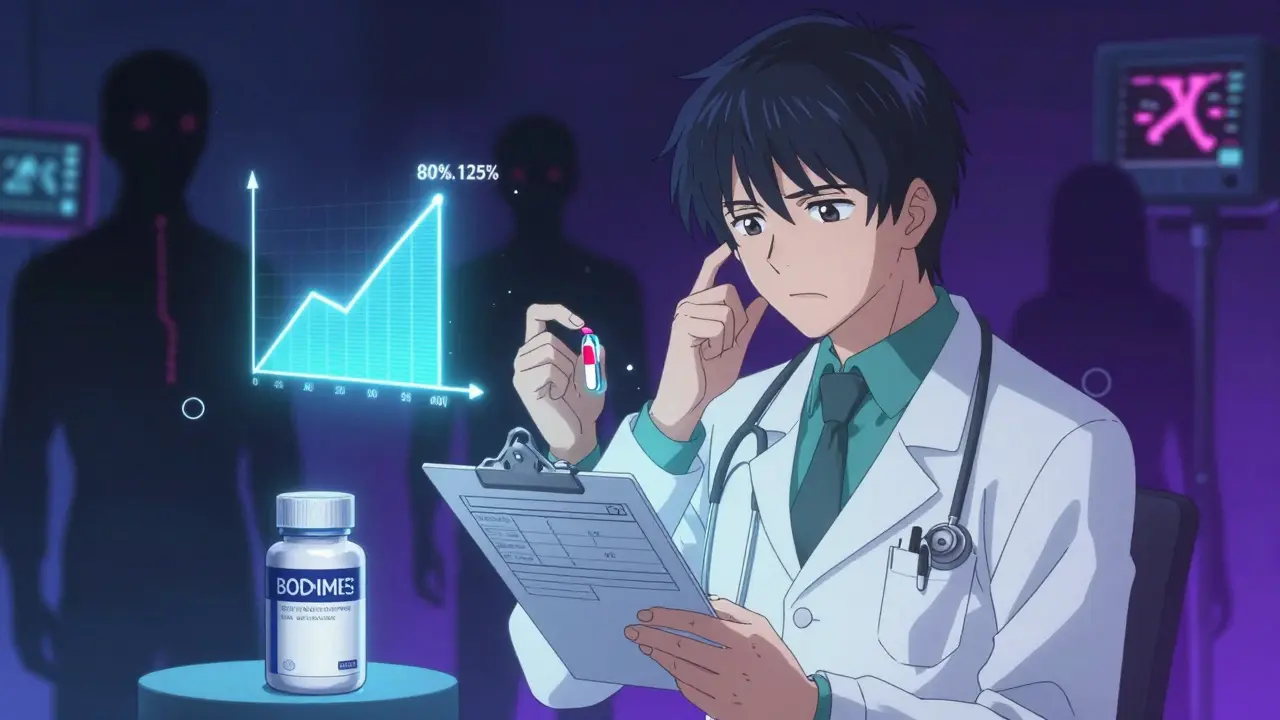
It sounds straightforward: if the FDA says two drugs are bioequivalent, they’re interchangeable. But that’s not how it works in a clinic. The FDA requires generics to have the same active ingredient, strength, dosage form, and route of administration as the brand. They must also prove bioequivalence-meaning the amount of drug absorbed into the bloodstream falls within an 80% to 125% range compared to the original. That’s a wide window. For most drugs, it’s fine. For others? It’s a gamble.
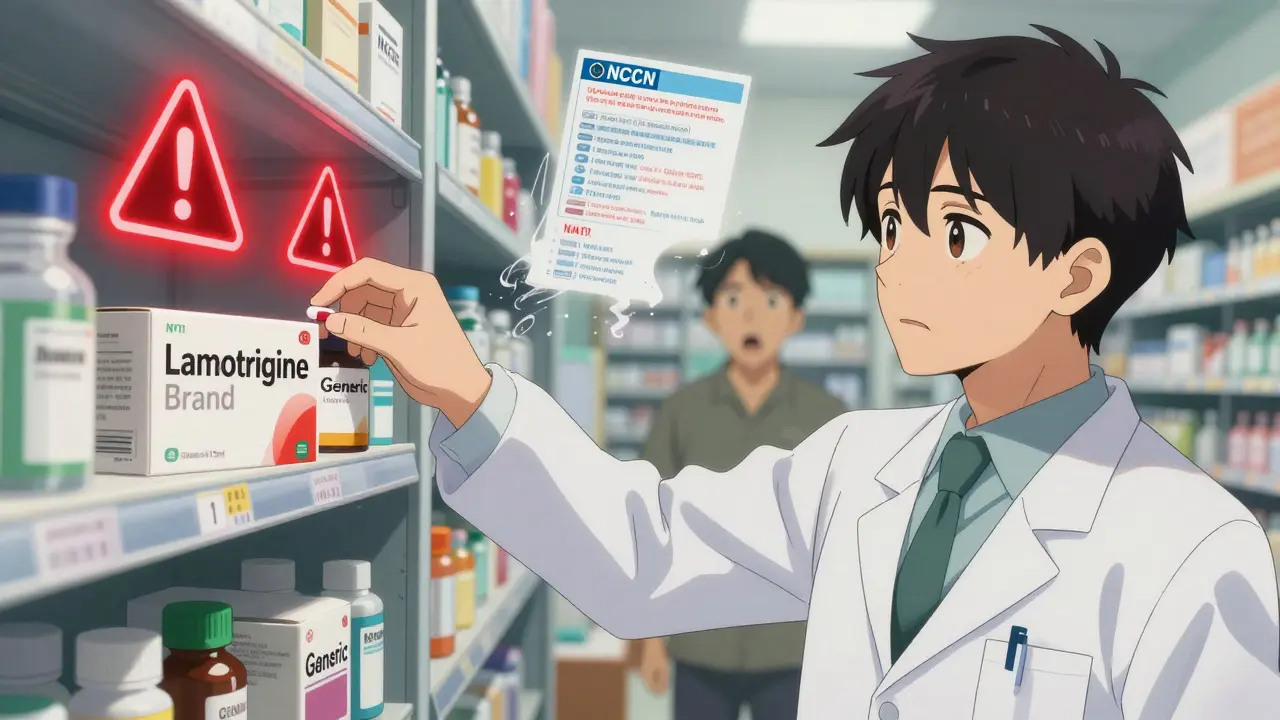
Take anticonvulsants. The American Academy of Neurology (AAN) has a firm stance: don’t switch. Why? Because even tiny changes in blood levels can trigger a seizure. A 2023 ASPE report found that 68% of neurologists believe generic substitutions have led to treatment complications in their patients. One patient might be stable on brand-name lamotrigine for years. Switch them to a generic version with a slightly different release profile, and suddenly, they’re having breakthrough seizures. That’s not theoretical-it’s documented in clinical practice.
Where Medical Societies Agree: Most Drugs Are Fine
For the majority of medications, medical societies support generic use. The American College of Physicians, along with many primary care groups, backs substitution when the FDA assigns an ‘A’ rating in the Orange Book. That rating means the drug is therapeutically equivalent. And the data backs it up: 90% of prescriptions filled in the U.S. are for generics, yet they make up only 23% of total drug spending. That’s billions saved annually.
Doctors prescribing blood pressure meds, statins, or antibiotics rarely hesitate. Why? Because the therapeutic index is wide. The difference between an effective dose and a toxic one is large. A small variation in absorption won’t hurt. In fact, many patients don’t even notice the switch. Pharmacists report that when a generic is available, patients often ask for it-especially if their copay drops from $50 to $5.
The Special Cases: Narrow Therapeutic Index (NTI) Drugs
NTI drugs are the exception. These are medications where the difference between a therapeutic dose and a toxic one is razor-thin. Think warfarin, levothyroxine, cyclosporine, and phenytoin. For these, medical societies urge caution-even if the FDA says they’re equivalent.
The American Medical Association’s USAN Council has spent decades designing drug names to reduce confusion. They avoid prefixes or suffixes that sound or look too similar to other drugs. Why? Because a misread name can lead to a fatal error. A nurse might grab phenytoin instead of phenobarbital. A pharmacist might dispense a generic warfarin without realizing the patient was on a specific brand. These aren’t hypothetical risks. They’ve caused deaths.
State laws reflect this tension. Some states require prescriber consent before substituting NTI drugs. Others allow automatic substitution unless the doctor writes ‘Dispense as Written.’ The result? A patchwork of rules. A patient in California might get a generic thyroid med without a hitch. The same patient in New York might get the brand because the pharmacy is following stricter guidelines.
Onco-Drug Use: The Off-Label Wild West
Nowhere is the flexibility of generics more visible than in oncology. The National Comprehensive Cancer Network (NCCN) Guidelines include dozens of off-label uses for generic drugs. A drug approved for breast cancer might be used for lymphoma. A generic version of a branded chemo agent might be repurposed for a different tumor type.
Here’s the twist: the NCCN considers any FDA-approved generic with the same active ingredient as interchangeable for these off-label uses. That’s not because the drug was tested for the new condition-it’s because the biological mechanism is the same. And since Medicare uses the NCCN Compendia to determine coverage, these off-label uses get paid for. That’s why oncologists often choose generics: they’re cheaper, equally effective, and accepted by insurers.
One oncology clinic in Atlanta reported switching 75% of their patients from branded to generic paclitaxel after reviewing outcome data. No increase in side effects. No drop in response rates. Just lower costs and the same results.
How Names Make a Difference
Drug names aren’t random. The USAN Council assigns stems-like ‘-vir’ for antivirals or ‘-mab’ for monoclonal antibodies-to signal drug class. This helps doctors and pharmacists quickly identify what a drug does. But it also helps prevent errors. A generic version of a drug with a confusing name might be mistaken for another. The council avoids names that are too similar to existing ones. For example, if a new drug ends in ‘-dine,’ they won’t let another one end in ‘-dine’ if it’s in a different class. It’s a small thing-but in a busy ER, it matters.
What Providers See in the Real World
Most clinicians don’t have time to read every guideline. But they do notice what happens in their practice. Pharmacists report more questions from patients when switching antiepileptic or thyroid meds. Patients worry. They’ve heard stories. And sometimes, those stories are true.
One family practice in Sydney (where I’m based) tracked 120 patients switched from brand to generic levothyroxine over six months. Nine of them came back with elevated TSH levels. Their doses were adjusted. But it took weeks to stabilize. That’s downtime. That’s anxiety. That’s a follow-up visit the clinic didn’t plan for.
Meanwhile, in primary care, switching from brand to generic metformin? Almost never a problem. No one notices. No one calls. The patient saves $40 a month. Everyone wins.
The Bottom Line for Prescribers
Medical society guidelines aren’t about blocking generics. They’re about knowing when to say no. The AAN doesn’t oppose generics-they oppose unpredictable switches. The NCCN doesn’t oppose brands-they support smart, evidence-based substitutions. The AMA doesn’t care if a drug is generic-they care if the name could be confused.
For providers, the message is clear:
- For most drugs? Generic is fine. Go for it.
- For NTI drugs? Stick with the brand unless you’re monitoring levels closely.
- For oncology? Off-label generics are often safe-follow NCCN guidance.
- For all drugs? Write ‘Dispense as Written’ if you’re unsure. It’s your legal right.
There’s no one-size-fits-all rule. But there is a smart rule: know your drug class. Know your patient. And don’t assume bioequivalence means clinical equivalence.
Do medical societies oppose all generic drugs?
No. Most medical societies support generic drugs for the majority of medications. The American College of Physicians, for example, endorses generic substitution when the FDA classifies the drug as therapeutically equivalent. The opposition is focused on specific drug classes-like anticonvulsants, thyroid hormones, and immunosuppressants-where small changes in blood levels can cause serious harm. It’s not about generics being unsafe. It’s about safety in specific contexts.
Can pharmacists substitute generics without the doctor’s permission?
It depends on the state and the drug. In most states, pharmacists can substitute generics unless the prescriber writes ‘Dispense as Written’ or the drug is on a state’s NTI (narrow therapeutic index) list. For drugs like warfarin or levothyroxine, many states require prescriber consent before substitution. But for antibiotics or blood pressure meds, substitution is automatic. Always check your state’s pharmacy laws, as they vary widely.
Why do some patients feel worse after switching to a generic?
For NTI drugs, even minor differences in absorption can matter. A generic might release the drug slightly faster or slower than the brand. For someone on a tight dose, that can push them out of the therapeutic window. In epilepsy, a drop in blood levels might trigger a seizure. In thyroid disease, it might cause fatigue or weight gain. These aren’t placebo effects-they’re real pharmacokinetic shifts. That’s why guidelines recommend monitoring labs after a switch.
Are generic oncology drugs as effective as brand-name ones?
Yes, for the approved uses. The NCCN Guidelines treat FDA-approved generics as interchangeable with branded drugs for cancer treatment. Many off-label uses of generics are also accepted because the active ingredient and mechanism are identical. Clinical studies have shown no difference in outcomes for drugs like paclitaxel or doxorubicin when switched to generics. Cost savings are significant, and patient outcomes remain stable.
How does the FDA decide if a generic is safe to substitute?
The FDA requires generic manufacturers to prove bioequivalence through studies showing that the drug’s absorption into the bloodstream falls within 80%-125% of the brand’s levels. They must also match the brand in strength, dosage form, and route of administration. The FDA then assigns an ‘A’ rating in the Orange Book, meaning the drugs are considered therapeutically equivalent. But the FDA doesn’t evaluate clinical outcomes-only absorption. That’s why medical societies sometimes add their own warnings.


