
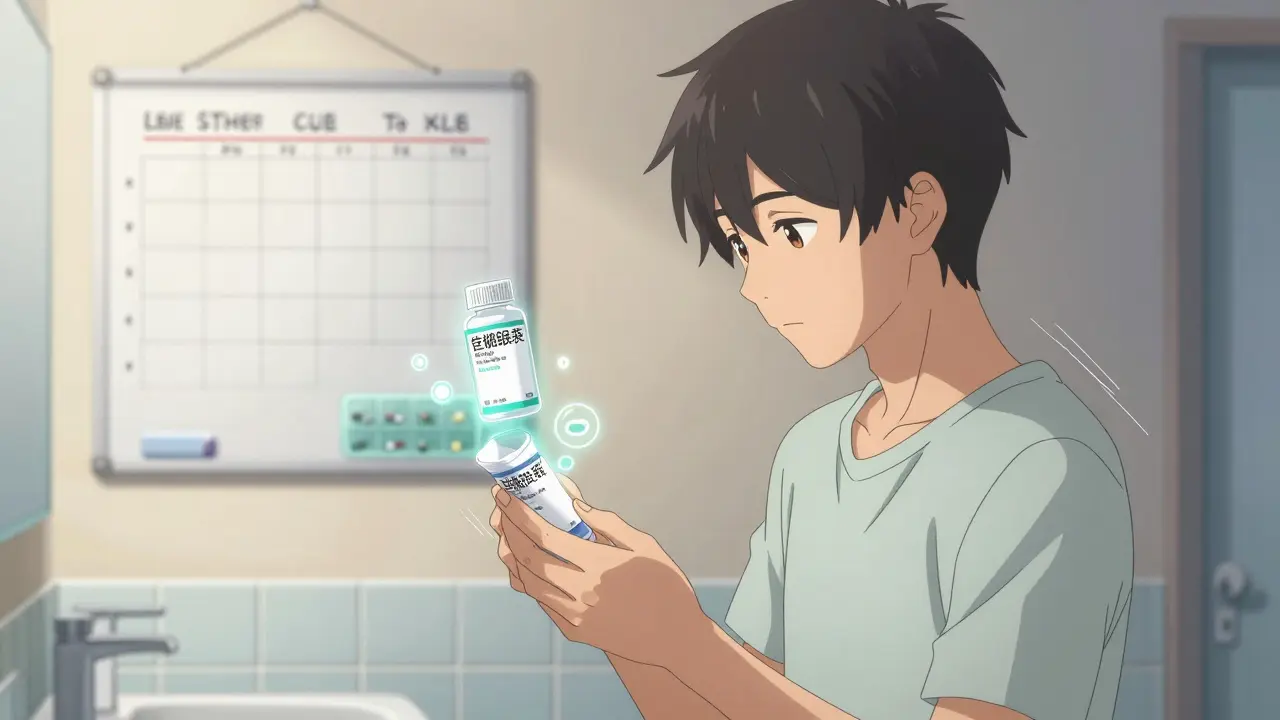
Teaching teens to manage their own prescription medications isn’t just about remembering to take a pill. It’s about preparing them for adulthood-where they’ll be responsible for their own health, with no one watching over their shoulder. Many parents assume their teen will figure it out eventually. But without guidance, teens are at risk: 14% of high school seniors misuse prescription drugs, according to the 2022 Monitoring the Future study. And for those with chronic conditions like asthma, ADHD, or epilepsy, skipping doses can mean hospital visits, missed school, or worse.
Start Early-Before It’s Too Late
Don’t wait until your teen leaves for college. The best time to begin teaching medication management is in 10th grade. That’s when teens are developing the cognitive skills to understand cause and effect, follow multi-step routines, and take accountability. A 2023 report from the Child Mind Institute found that teens who started managing their meds in 11th grade were 50% more likely to handle it well by senior year than those who waited until college. Begin with simple tasks. Ask your teen to read the prescription label out loud. What’s the drug name? Why are they taking it? How many times a day? If they can’t explain it, they’re not ready to take full responsibility. Use this moment to correct misunderstandings. Many teens think painkillers are harmless because they’re prescribed. The DEA’s 2020 report found 70% of teens believe prescription drugs are safer than street drugs. That’s a dangerous myth.Build a Routine That Sticks
The key to consistent medication use is tying it to a habit they already do every day. Brushing teeth? Taking meds after. Eating breakfast? Take it before. A University of Rochester study showed teens who linked their meds to daily routines had a 37% higher adherence rate than those who relied on memory alone. Create a simple schedule: morning, afternoon, night. Use a whiteboard or sticky notes on the bathroom mirror. Don’t overcomplicate it. If they’re on three pills a day, make it visual. A pill organizer with labeled compartments (AM/PM/Night) makes it easy to see what’s been taken-and what’s been missed.Use Tools That Actually Work
Phones are already in their hands. Use them. Set alarms for each dose. Use apps like Medisafe or MyMeds-both have been shown in studies to boost teen adherence by 28%. These apps send reminders, track doses, and even notify parents if a dose is skipped (with teen consent). But not all apps are equal. A 2023 Mayo Clinic review found only 22% of medication apps for teens have been clinically tested. Stick to ones with real evidence behind them. Avoid flashy apps with games or stickers-they might grab attention but don’t improve outcomes. For teens on daily meds, consider once-daily extended-release versions. Fewer doses mean fewer chances to forget. Talk to their doctor about switching if it’s safe. For example, switching from a twice-daily ADHD pill to a once-daily version can cut missed doses in half.Teach Them to Speak Up
Teens often stay quiet about side effects-fear of being told to stop their meds, or not wanting to bother their parents. But unreported side effects can lead to dangerous outcomes. Teach them to ask three simple questions during doctor visits:- What’s this medicine supposed to do?
- What side effects should I watch for?
- What should I do if I feel worse?
Keep Controlled Substances Locked Up
If your teen is on opioids, benzodiazepines, or stimulants like Adderall, they’re at higher risk of misuse-even if they’re responsible. The DEA says these are the top three prescription drugs teens misuse. And they’re easy to get: from home medicine cabinets. Aetna’s 2021 guidelines recommend locking all controlled substances in a lockbox-preferably one with a combination or key. Don’t rely on “I’ll just keep it in my room.” Teens have access to that room. And if they’re stressed, anxious, or curious, access is all they need. Also, never leave extra pills lying around. If a prescription runs out early, don’t refill it unless the doctor says so. Dispose of unused meds through pharmacy take-back programs. There are over 14,000 locations in the U.S. and Australia where you can drop off old pills safely-no questions asked.Check In-But Don’t Micromanage
The goal is independence, not control. Start by supervising daily. Then move to checking in via text: “Did you take your pill today?” After a few weeks of consistency, switch to weekly check-ins. By 12th grade, monthly spot checks are enough. Use a medication log. A simple spreadsheet or printed sheet where they mark off each dose. Review it together once a week. If they miss a dose, don’t yell. Ask: “What got in the way?” Maybe they forgot because they were at a friend’s house. Maybe the alarm didn’t go off. The goal is to solve the problem, not punish the mistake. Research in the Journal of Adolescent Health found teens with a medication “buddy”-a parent, sibling, or close friend who checks in-had 22% higher adherence. You don’t have to be the only one. Maybe their older cousin reminds them on weekends. Or their school nurse sends a quick text.Prevent Misuse-Talk About It
Teens don’t always know the difference between using a drug as prescribed and misusing it. Taking an extra Adderall to study? That’s misuse. Giving a friend a painkiller? That’s illegal and dangerous. The Generation Rx program’s 2023 curriculum, used in over 1,200 schools, teaches teens how to say no without sounding weird. Scripts like “I’m not taking anything that’s not mine” or “My doctor said not to share” work better than lectures. Schools that use this program saw a 33% drop in prescription drug misuse within a year. Ask if your teen’s school offers it. If not, bring it up at the next PTA meeting.
Prepare for the Real World
By senior year, your teen should be able to:- Call the pharmacy to request a refill
- Understand their insurance coverage for meds
- Know how to get a replacement if they lose their pills
- Carry their meds safely when traveling
- Communicate with a new doctor about their history
What If They Mess Up?
Mistakes happen. A teen misses a dose. Forgets to refill. Takes two pills by accident. Don’t panic. Use it as a teaching moment. If they missed a dose, ask: “What can we change so this doesn’t happen again?” Maybe the alarm was too quiet. Maybe they didn’t have their pill organizer with them. Adjust the system. Don’t take back responsibility unless it’s a safety issue. If they misused a prescription, get help. Talk to their doctor. Consider counseling. The Substance Abuse and Mental Health Services Administration says 4.8 million teens needed treatment for prescription drug misuse in 2022. Early intervention saves lives.It’s a Process, Not a One-Time Talk
Teaching teens to manage meds isn’t a single conversation. It’s a slow handoff-like teaching them to drive. You start with the steering wheel in your hands. Then you let them steer while you hold the brake. Eventually, you let go. The stakes are high. Medication non-adherence among young adults costs the U.S. healthcare system $290 billion a year, according to JAMA Internal Medicine. But the bigger cost is the one you can’t measure: a teen who feels out of control, anxious, or ashamed because they didn’t know how to manage their own health. By giving them the tools, the trust, and the space to learn, you’re not just helping them take pills. You’re helping them become capable, confident adults.At what age should I start teaching my teen to manage their medications?
Start in 10th grade (around age 15-16). This gives them time to build skills before college or moving out. The Child Mind Institute recommends beginning with basic understanding of their meds, then gradually increasing responsibility through 11th and 12th grade.
What if my teen refuses to take their medication?
Don’t force it. Ask why. They might be scared of side effects, embarrassed to take pills at school, or feel the medication isn’t helping. Talk to their doctor about alternatives-different dosages, forms (like liquids or patches), or non-medication therapies. Involving them in the decision increases buy-in.
Are medication apps safe for teens to use?
Yes-but only if they’re clinically validated. Apps like Medisafe and MyMeds have been tested in studies and shown to improve teen adherence. Avoid apps with no research backing. The Mayo Clinic found only 22% of teen medication apps meet clinical standards. Look for ones that offer reminders, tracking, and secure data.
Should I lock up my teen’s prescription drugs?
If they’re on opioids, stimulants, or benzodiazepines, yes. These are the most commonly misused prescription drugs among teens. A locked box prevents accidental or intentional misuse-even by well-meaning teens. Aetna and the DEA both recommend this as a safety standard.
How do I know if my teen is managing their meds well?
Look for consistency: Are they taking doses on time? Do they refill before running out? Do they know what each pill is for? Use a medication log or app to track. Monthly check-ins with their doctor using the Medication Adherence Report Scale can also give you a clear picture.
What should I do if I suspect my teen is misusing their prescription?
Don’t ignore it. Talk to their doctor immediately. Misuse can lead to addiction, overdose, or mental health crises. The Substance Abuse and Mental Health Services Administration offers free resources and treatment locators. Early intervention is critical-especially with ADHD meds and painkillers, which teens often underestimate as dangerous.


