
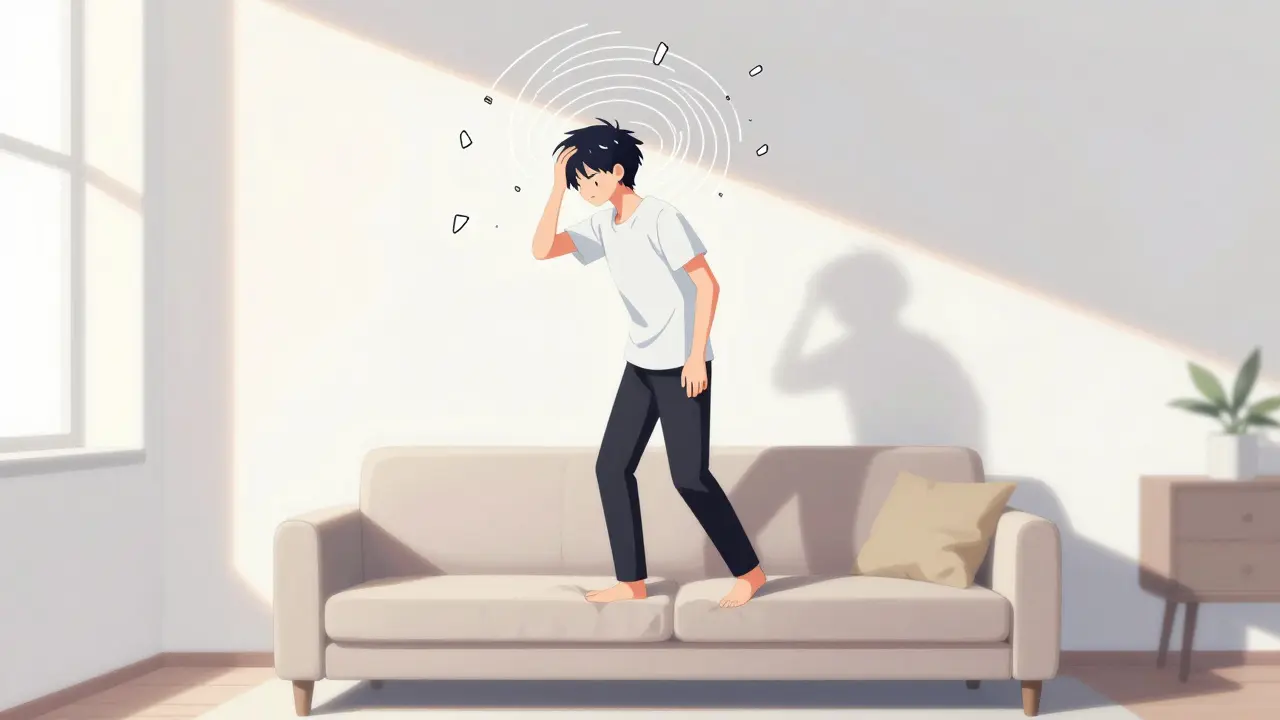
| System Affected | Common Symptom | What it feels like |
|---|---|---|
| Cardiovascular | Orthostatic Hypotension | Dizziness or fainting upon standing |
| Gastrointestinal | Gastroparesis | Feeling full quickly, nausea, vomiting |
| Gastrointestinal | Chronic Constipation | Infrequent bowel movements (1-2 per week) |
| Cardiovascular | POTS | Rapid heart rate increase when upright |
Why Blood Pressure Crashes When You Stand
Normally, when you stand up, gravity pulls blood toward your legs. To stop you from fainting, your Sympathetic Nervous System triggers your blood vessels to constrict, pushing blood back up to your brain. In autonomic neuropathy, this signal never arrives. The result is Orthostatic Hypotension, where blood pressure drops significantly-often 20 mmHg systolic or more-within three minutes of standing. For some, this manifests as Vasovagal Syncope, which are sudden drops that lead to actual fainting episodes. Others deal with Postural Orthostatic Tachycardia Syndrome (POTS). Unlike a classic pressure drop, POTS involves the heart racing (often increasing by 30 beats per minute or more) to compensate for the lack of vascular tone. It's essentially the body panicking because it can't regulate blood flow efficiently.The Gut Connection: When Digestion Stops
While the dizziness is scary, the gastrointestinal symptoms are often what impact daily quality of life the most. The nerves that control the muscles in your gut are just as susceptible to damage as those in your heart. This often leads to Gastroparesis, a condition where the stomach muscles stop pushing food forward, leaving it to sit and ferment. Patients often report nocturnal vomiting or a feeling of fullness after only a few bites of food. It doesn't stop at the stomach. Many people experience severe constipation, sometimes moving their bowels only once a week. Conversely, some develop nocturnal diarrhea. This unpredictability is often caused by Small Intestinal Bacterial Overgrowth (SIBO), where slow motility allows bacteria to multiply in the small intestine, leading to intense bloating and gas. When the esophageal muscles also fail, it can lead to dysphagia, making it difficult to swallow even soft foods.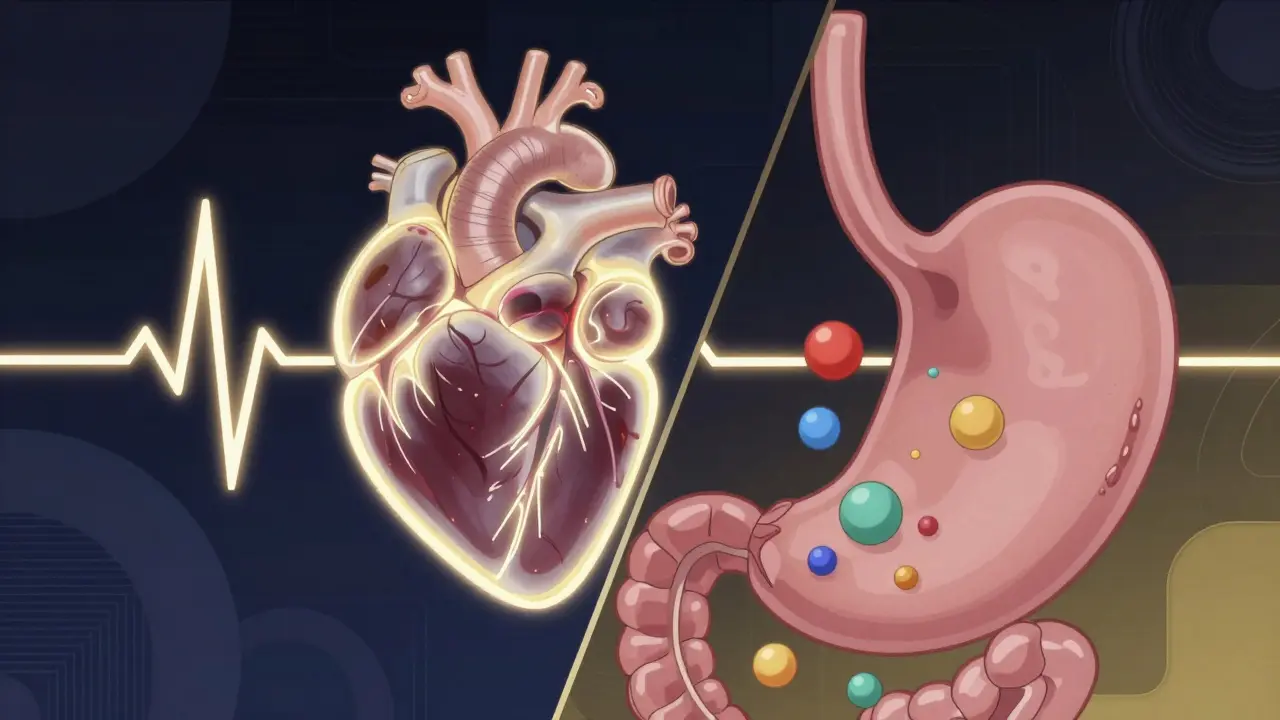
How Doctors Pin Down the Cause
Getting a diagnosis isn't always straightforward because the symptoms mimic so many other things. A common starting point is the 10-minute active stand test. A doctor measures your blood pressure and heart rate while you are lying down and then again after you've been standing for a few minutes. If your systolic pressure drops by 20 mmHg or more, it's a clear sign of dysfunction. For a deeper dive, specialists use heart rate variability testing during deep breathing or the Valsalva maneuver to see how the heart reacts to pressure changes. To diagnose the GI side of things, Gastric Emptying Scintigraphy is the gold standard. You eat a meal tagged with a radioactive tracer, and a camera tracks how much food remains in the stomach after four hours. If more than 10% of the meal is still there, gastroparesis is confirmed.Medications to Stabilize the System
Since the nerves are damaged, medications aim to "mimic" the missing signals or boost the remaining ones. For blood pressure, Fludrocortisone is often used to increase blood volume, while Midodrine helps constrict blood vessels. However, these come with a catch: they can cause supine hypertension, meaning your blood pressure might get too high when you're lying down. For those with POTS, Ivabradine can be a lifesaver by lowering the heart rate without affecting blood pressure. On the GI front, Metoclopramide is frequently prescribed to speed up gastric emptying, though it carries a risk of tardive dyskinesia (involuntary muscle movements) if used long-term. Many doctors now suggest Pyridostigmine as a gentler alternative to improve gut motility with fewer side effects.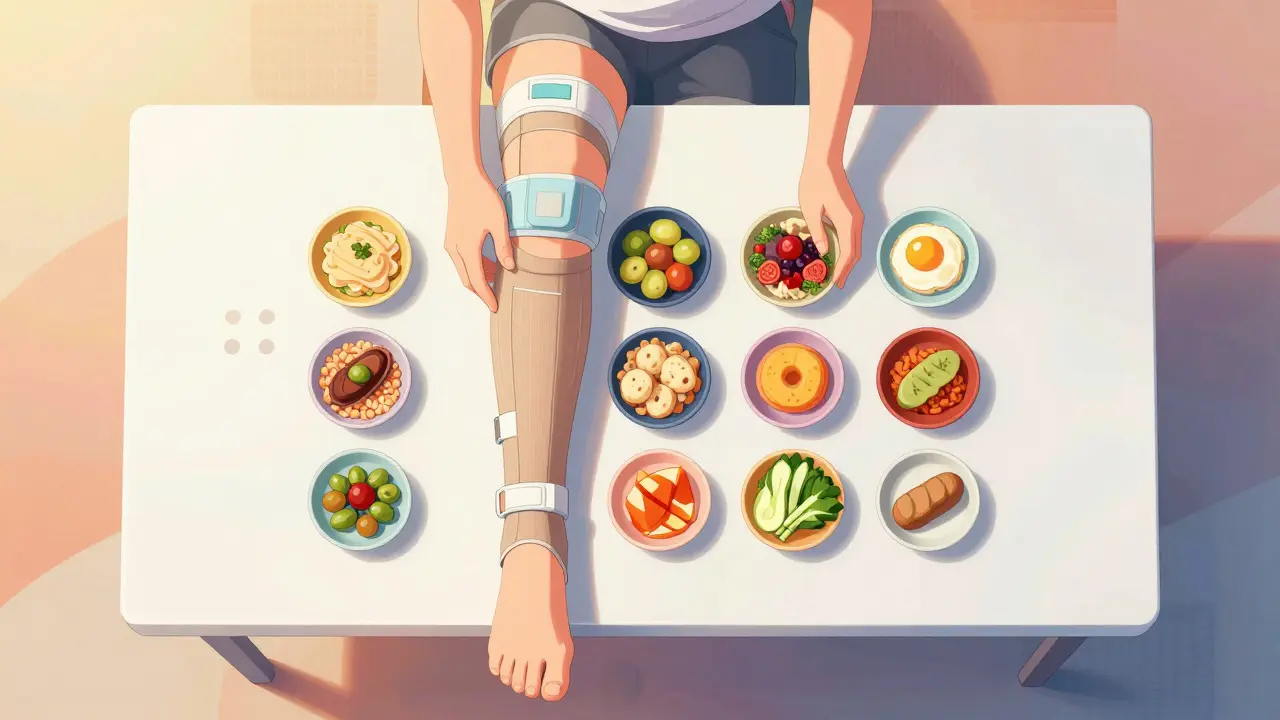
Lifestyle Tweaks for Better Days
Meds are great, but the real "wins" often come from changing how you live. If you struggle with blood pressure drops, compression garments are a game-changer. Wearing abdominal binders or 30-40 mmHg compression stockings helps push blood back toward the heart, reducing that "head-empty" feeling when you stand up. Increasing salt intake and drinking more water can also boost blood volume, provided you don't have heart failure. For the GI struggles, the best approach is usually "small and frequent." Instead of three large meals, aim for six tiny ones. Focus on a low-fat and low-fiber diet. While fiber is usually healthy, for someone with gastroparesis, it's like putting a roadblock in a slow-moving stream-it just makes the backup worse. Reducing fat slows down digestion even further, so keeping fats under 25g a day can significantly reduce nausea and vomiting.The Road Ahead and New Hope
We are seeing a shift in how this is handled. Recent research into plasma neurofilament light chain levels may soon allow doctors to spot nerve damage before symptoms even start. There is also exciting work being done with fecal microbiota transplantation to treat the SIBO and bloating associated with gut dysfunction. Perhaps the biggest change is in screening. Because this is so often missed, the American Diabetes Association is moving toward annual autonomic screening for people who have had diabetes for over seven years. The goal is to stop the cycle of patients visiting three or four different specialists before finally getting a name for what they are experiencing. Knowing it's a nerve issue and not just "getting older" or "anxiety" is the first step toward taking your life back.Can this condition be cured?
Currently, there is no cure to reverse the nerve damage once it has occurred. However, the symptoms are highly manageable. Through a combination of medications like Midodrine or Pyridostigmine and lifestyle adjustments, most people can significantly improve their daily functioning and reduce the risk of fainting.
Why does diabetes cause autonomic neuropathy?
Prolonged exposure to high blood glucose levels damages the walls of the small blood vessels (microvasculature) that feed the nerves. When the nerves don't get enough oxygen and nutrients, they wither and stop sending signals correctly. High triglyceride levels can also contribute to this nerve degradation.
Is POTS the same as autonomic neuropathy?
There is a debate among experts. Some see POTS as a distinct disorder with its own unique triggers, while others view it as part of a broader spectrum of autonomic neuropathy. Regardless of the label, both involve a failure of the body to regulate heart rate and blood pressure during postural changes.
What should I do if I feel a fainting spell coming on?
The most effective immediate response is to sit or lie down immediately to get blood flow back to the brain. If you are standing, try "counter-pressure maneuvers" like crossing your legs and squeezing your thigh and glute muscles, which can help manually push blood upward.
How does a low-fiber diet help gastroparesis?
In a healthy gut, fiber adds bulk and helps move things along. But in a stomach that doesn't contract properly, fiber (especially raw vegetables and seeds) can clump together and form a blockage called a bezoar. Switching to low-residue, cooked foods makes it easier for the sluggish stomach to empty its contents into the small intestine.