
Statin Intolerance: What It Is, Why It Happens, and What You Can Do
When you take a statin, a class of drugs used to lower LDL cholesterol and reduce heart attack risk. Also known as HMG-CoA reductase inhibitors, they’re one of the most prescribed medications worldwide—but not everyone can tolerate them. Statin intolerance isn’t just about mild side effects. It’s when the discomfort is bad enough to make you stop taking the drug entirely, even if your doctor says it’s necessary. For many, that means muscle pain, weakness, or fatigue that doesn’t go away, no matter how small the dose. Some people feel it after one pill. Others notice it only after months. Either way, it’s real, and it’s common enough that doctors now have real strategies to handle it.
Statin intolerance often shows up as muscle pain, a frequent complaint that can range from mild soreness to debilitating weakness. Also known as myalgia, it’s the top reason people quit statins. But it’s not the only issue. Some report liver enzyme changes, digestive upset, or even brain fog. What’s tricky is that not all muscle pain from statins is dangerous—some is just a nuisance. The key is knowing the difference between normal discomfort and something that could harm your muscles, like rhabdomyolysis. That’s why doctors check blood tests and ask detailed questions before deciding if it’s truly intolerance or just a bad reaction to the first dose. And if you’re one of the 10-20% of people who can’t stay on statins, you’re not alone—and you’re not out of options.
When statins don’t work for you, it’s not the end of the road. There are other ways to manage cholesterol. ezetimibe, a non-statin pill that blocks cholesterol absorption in the gut. Also known as Zetia, it’s often paired with lower-dose statins or used alone when statins aren’t an option. Then there are injectable options like PCSK9 inhibitors, powerful drugs that dramatically lower LDL by helping the liver remove more cholesterol from the blood. Also known as alirocumab or evolocumab, they’re used for high-risk patients who still can’t reach target levels. Even lifestyle changes—like eating more fiber, moving more, and cutting out trans fats—can make a measurable difference. The goal isn’t to replace statins at all costs, but to find a plan that keeps your heart safe without making you feel worse.
You’ll find posts here that dig into how herbal teas can interfere with statins, what to do when muscle pain hits during exercise, and how to talk to your doctor about switching treatments. These aren’t theoretical guides—they’re written by people who’ve been there, and they focus on real-world choices, not just textbook advice. Whether you’re trying to avoid side effects, manage symptoms, or find a better alternative, this collection gives you the tools to make smarter decisions without quitting your treatment entirely.
Statin Intolerance Clinics: How Structured Protocols Help Patients Tolerate Cholesterol Medication
- Elliot Grove
- on Nov 15 2025
- 12 Comments
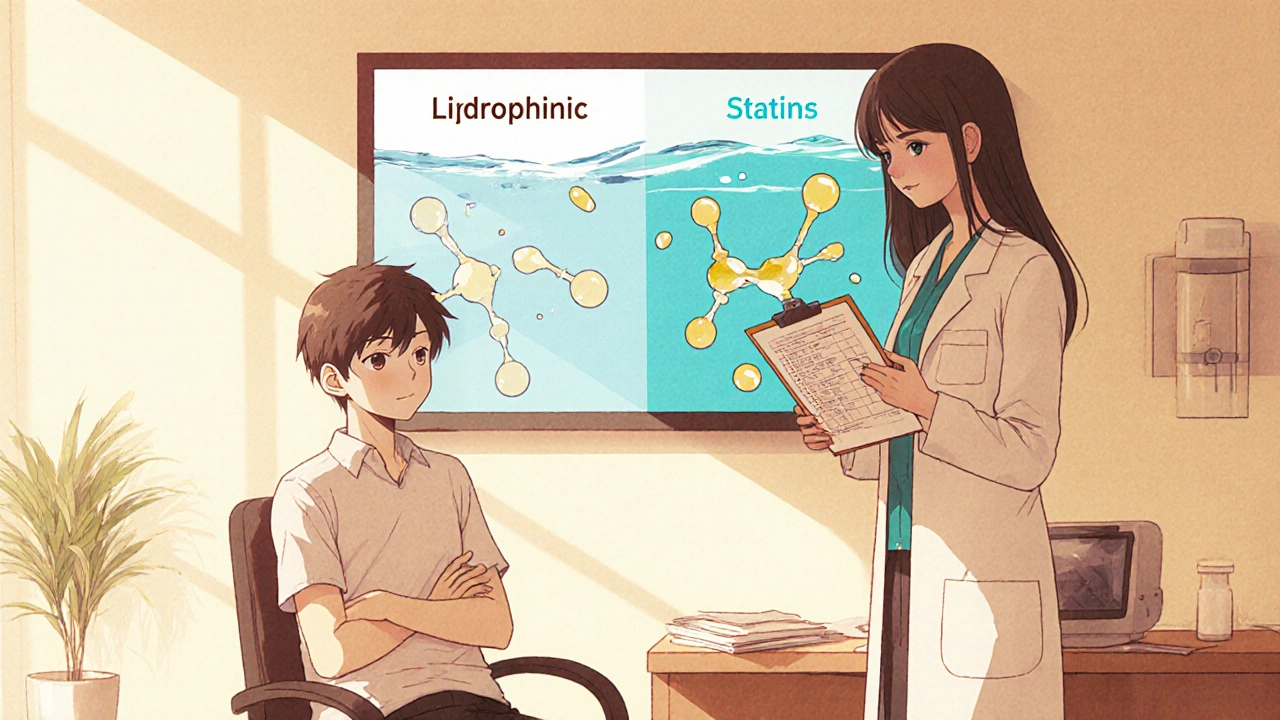
Statin intolerance clinics use structured protocols to help patients who experience muscle side effects from cholesterol meds. Learn how rechallenge, switching statins, and non-statin options can get you back on effective therapy.