
Psychosis Treatment: What Works, What to Avoid, and How to Stay on Track
When someone experiences psychosis, a mental health condition where a person loses touch with reality, often hearing voices or having false beliefs. It’s not a diagnosis itself—it’s a symptom, often tied to conditions like schizophrenia, bipolar disorder, or severe depression. Antipsychotic medication, a class of drugs designed to reduce hallucinations, delusions, and disorganized thinking is the most common starting point. These aren’t magic pills, but they’re the most reliable tool we have to bring someone back to stability. Without them, symptoms often return—and fast.
But medication alone doesn’t fix everything. Mental health care, a coordinated system of therapy, support, and lifestyle changes that help people manage psychosis long-term is just as important. Therapy helps people understand what’s happening, rebuild trust in their own mind, and learn coping skills. Family support, routine sleep, avoiding drugs like marijuana, and structured daily activity all play a role. Studies show people who stick with both meds and therapy are far less likely to end up in the hospital.
One of the biggest problems? Medication adherence, the act of taking prescribed drugs exactly as directed, even when you feel better. Many people stop taking their meds because they don’t like the side effects—weight gain, drowsiness, shaking—or because they think they’re cured. But psychosis doesn’t vanish just because you feel okay. Stopping meds suddenly can trigger a relapse, sometimes worse than before. That’s why doctors work with patients to find the lowest effective dose, switch to long-acting injections if pills are hard to remember, or pair treatment with reminders and support groups.
You won’t find a one-size-fits-all fix. Some people do well on older antipsychotics like haloperidol. Others need newer ones like risperidone or aripiprazole. Some need a mix of meds, therapy, and community support. What works for one person might not work for another—and that’s okay. The goal isn’t perfection. It’s stability. It’s being able to hold a job, spend time with loved ones, and sleep through the night without fear.
The posts below don’t just list drugs. They show you how real people manage treatment through life changes, how to avoid dangerous interactions with other meds or herbal teas, and how to keep taking your pills even when life gets chaotic. Whether you’re someone living with psychosis, a family member trying to help, or just learning what this condition really means, you’ll find practical, no-fluff advice here—no jargon, no hype, just what works.
First-Episode Psychosis: Why Early Intervention and Family Support Save Lives
- Elliot Grove
- on Nov 17 2025
- 11 Comments
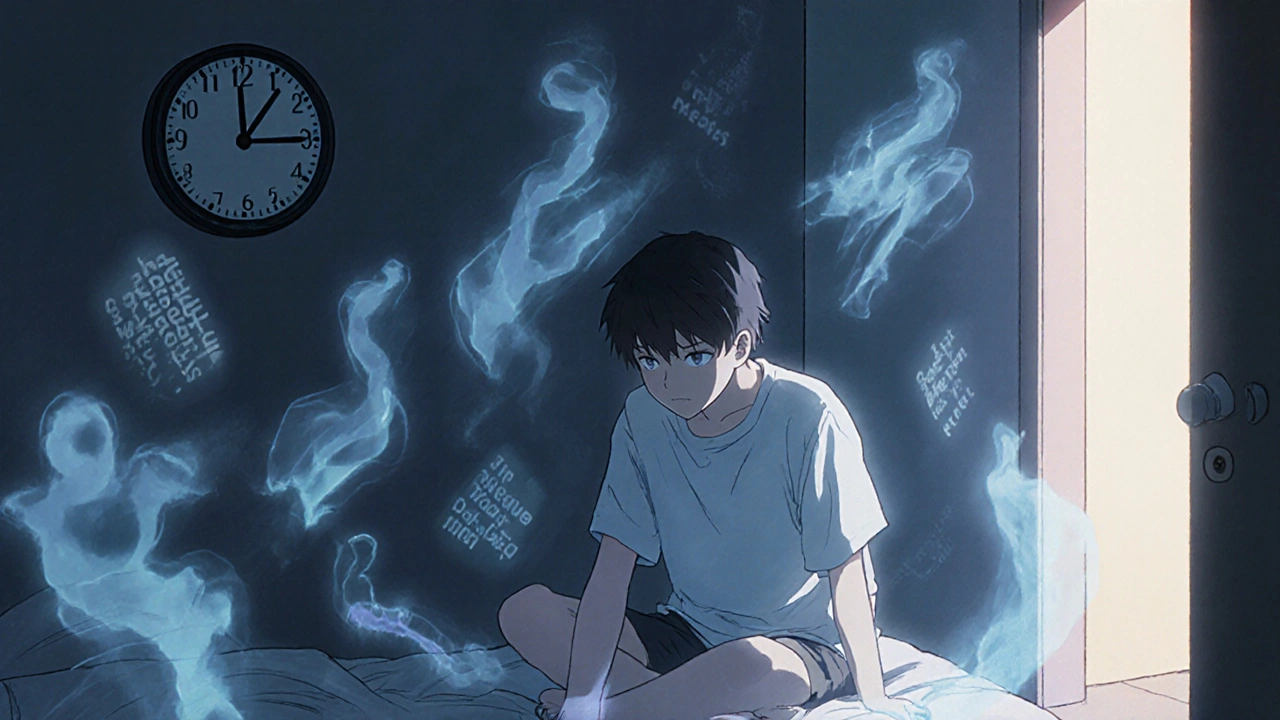
First-episode psychosis is treatable - but only if caught early. Learn how coordinated care and family support can restore lives, reduce relapse, and help young people return to school, work, and normal life.