
Prostate Medication: What Works, What to Know, and How to Stay Safe
When your prostate grows larger with age, it can press on the urethra and make urination difficult—that’s benign prostatic hyperplasia, a non-cancerous enlargement of the prostate gland that affects most men over 50. Also known as BPH, it’s not life-threatening, but it can seriously mess with your daily life—nighttime bathroom trips, weak stream, feeling like you never fully empty your bladder. Prostate medication, drugs designed to relax prostate muscles or shrink the gland is often the first step doctors recommend before surgery.
There are two main types of prostate medication, used to treat urinary symptoms caused by an enlarged prostate. Alpha-blockers like tamsulosin relax the muscles around the prostate and bladder neck, helping urine flow more easily. They work fast—sometimes in days—but can cause dizziness or low blood pressure. The other group, 5-alpha reductase inhibitors like finasteride, shrink the prostate over months by blocking the hormone that makes it grow. These take longer but can reduce the chance of needing surgery later. Both can be used together, and many men find this combo works better than either alone. What’s often overlooked? These meds don’t cure BPH—they manage it. If you stop taking them, symptoms usually come back.
Side effects matter. Some men worry about sexual side effects—lower libido, trouble getting or keeping an erection—especially with finasteride. Others notice dizziness when standing up or feel more tired than usual. And here’s something few talk about: these drugs can affect PSA blood test results. If you’re on finasteride, your PSA drops naturally, so your doctor needs to adjust the numbers to check for prostate cancer properly. Don’t skip your screenings just because you’re on medication. Also, if you’re taking other meds—like blood pressure pills or antidepressants—there can be interactions. Always tell your pharmacist what you’re on.
Not everyone needs pills. For mild symptoms, lifestyle tweaks help: cut back on evening fluids, avoid caffeine and alcohol before bed, don’t hold it in. But if your symptoms are keeping you up, making you anxious, or causing urinary infections, medication can be a game-changer. You’re not alone—millions of men use these drugs every day. The goal isn’t to fix your prostate completely, but to get your life back. You should be able to sleep through the night, enjoy a meal without planning bathroom breaks, and not feel like your body is working against you.
Below, you’ll find real advice from men who’ve been there—how to talk to your doctor about side effects, how to spot dangerous interactions with other meds, and what to do if your current treatment isn’t working. You’ll also learn how to handle medication during travel, how to store it safely, and why understanding your prescription instructions can make all the difference. This isn’t just about pills. It’s about taking control of your health without losing your routine, your confidence, or your peace of mind.
How to Switch from Another BPH Medication to Alfuzosin
- Elliot Grove
- on Dec 1 2025
- 10 Comments
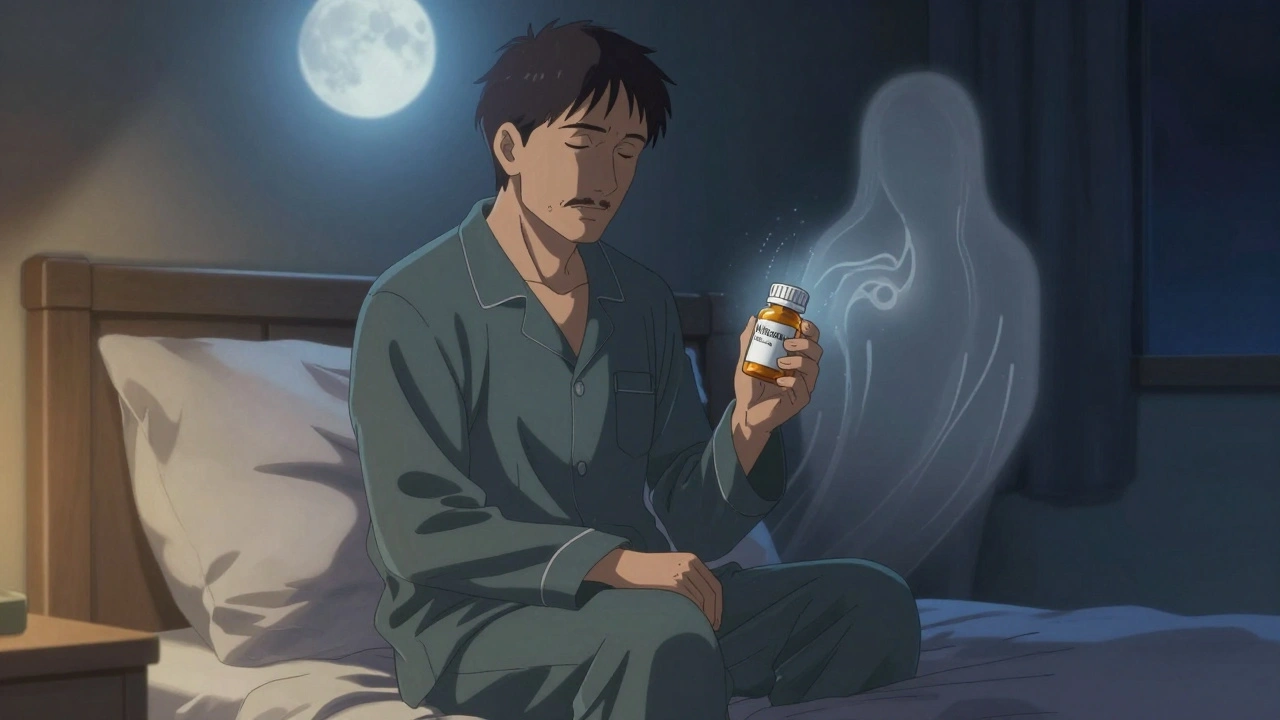
Learn how to safely switch from another BPH medication to alfuzosin, including timing, dosing, side effects, and what to expect. A practical guide for managing urinary symptoms with fewer side effects.