
Primary Immunodeficiency: Causes, Symptoms, and How Medications Help
When your body can't fight off infections the way it should, it might be due to primary immunodeficiency, a group of inherited disorders where the immune system is missing or doesn't function properly from birth. Also known as inborn errors of immunity, it’s not something you catch—it’s something you’re born with.
People with primary immunodeficiency often get sick over and over again—sinus infections, pneumonia, ear infections, or even serious gut issues. These aren’t just bad luck. They’re signs that key parts of the immune system, like antibody deficiency or low levels of immunoglobulin therapy, aren’t doing their job. Some types show up in babies with failure to thrive; others don’t become obvious until adulthood. The common thread? Recurrent, unusual, or hard-to-treat infections that don’t respond to normal antibiotics.
It’s not just about getting sick more. Without treatment, these conditions can lead to lasting damage—lung scarring from repeated pneumonia, chronic diarrhea from gut infections, or even higher risk for certain cancers. That’s why early diagnosis matters. Blood tests can spot low antibody levels, missing immune cells, or genetic markers. Once identified, treatments like regular immunoglobulin therapy infusions can replace what the body can’t make. For some, bone marrow transplants or gene therapies are options. Medications aren’t a cure, but they turn a life of constant illness into something manageable.
You won’t find a one-size-fits-all fix. Some people need monthly IVs. Others take daily antibiotics as a shield. Some manage with lifestyle tweaks and careful monitoring. What ties all these cases together is the need for personalized care—something this collection of articles dives into. Below, you’ll find real-world guides on how infections link to immune gaps, how treatments like immunoglobulin work, what side effects to watch for, and how to stay ahead of complications. No theory. No fluff. Just what people actually need to know to live well with a weakened immune system.
Immunodeficiency Red Flags: Recurrent Infections and When to Suspect It
- Elliot Grove
- on Nov 25 2025
- 11 Comments
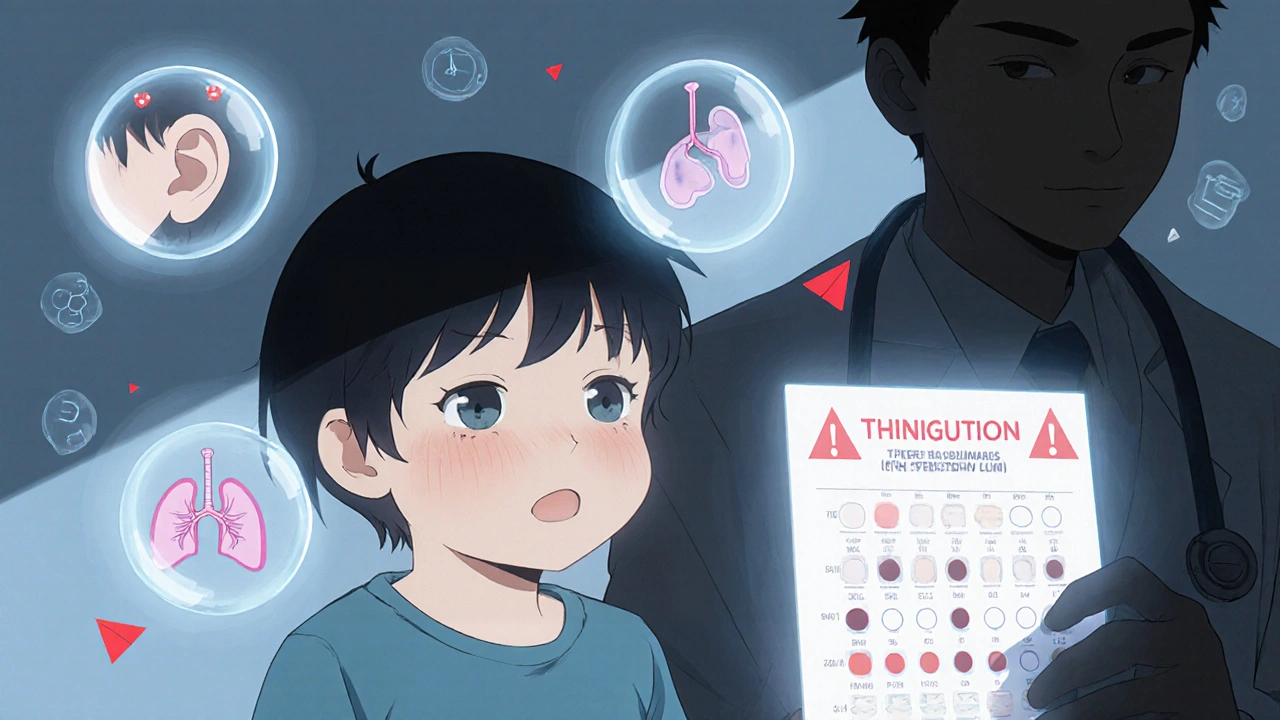
Recurrent infections can signal an underlying immunodeficiency. Learn the 10 red flags, how testing works, and why early diagnosis prevents lifelong damage. From ear infections to genetic testing, here’s what you need to know.