
Immune Workup: What It Is, Why It’s Done, and What to Expect
When your body keeps getting sick—cold after cold, infections that won’t quit, or rashes that come back—it’s not just bad luck. It might be your immune workup, a series of lab tests designed to evaluate how well your immune system is functioning. Also known as immune function testing, it’s the first step doctors take when they suspect something deeper is going on with your body’s defenses.
Think of your immune system like a security team. Sometimes the guards are asleep (immunodeficiency), sometimes they attack your own house (autoimmune disorders), or maybe they’re just out of ammo (low antibody levels). An immune workup checks all those roles. It looks at white blood cell counts, measures antibodies like IgG, IgA, and IgM, tests for specific immune deficiencies like CVID or DiGeorge syndrome, and screens for autoimmune markers such as ANA or ENA. These aren’t just random tests—they’re targeted tools used when someone has recurrent pneumonia, chronic diarrhea, or unexplained fevers that don’t respond to standard treatments.
People who get frequent sinus infections, need multiple rounds of antibiotics, or have family histories of immune disorders are often sent for this. Kids who don’t grow well or adults over 50 with sudden, unusual infections may also need one. The results don’t just say "your immune system is weak." They point to what’s broken: Is it low B cells? Poor response to vaccines? A missing complement protein? That’s how doctors decide if you need IVIG, antibiotics as prevention, or a referral to an immunologist. And it’s not just about fixing problems—it’s about preventing them. Catching an immune issue early can stop a simple cold from turning into hospitalization.
What you’ll find in the posts below are real-world stories and practical guides tied directly to immune workup outcomes. You’ll read about how drug interactions can mask immune problems, why certain medications like biologics require screening before use, and how stress and lifestyle changes affect your body’s ability to respond. There’s advice on managing side effects from treatments, preparing for medical procedures that impact immunity, and understanding test results without getting lost in jargon. This isn’t theory. It’s what people actually face after their immune workup comes back—and how they move forward.
Immunodeficiency Red Flags: Recurrent Infections and When to Suspect It
- Elliot Grove
- on Nov 25 2025
- 11 Comments
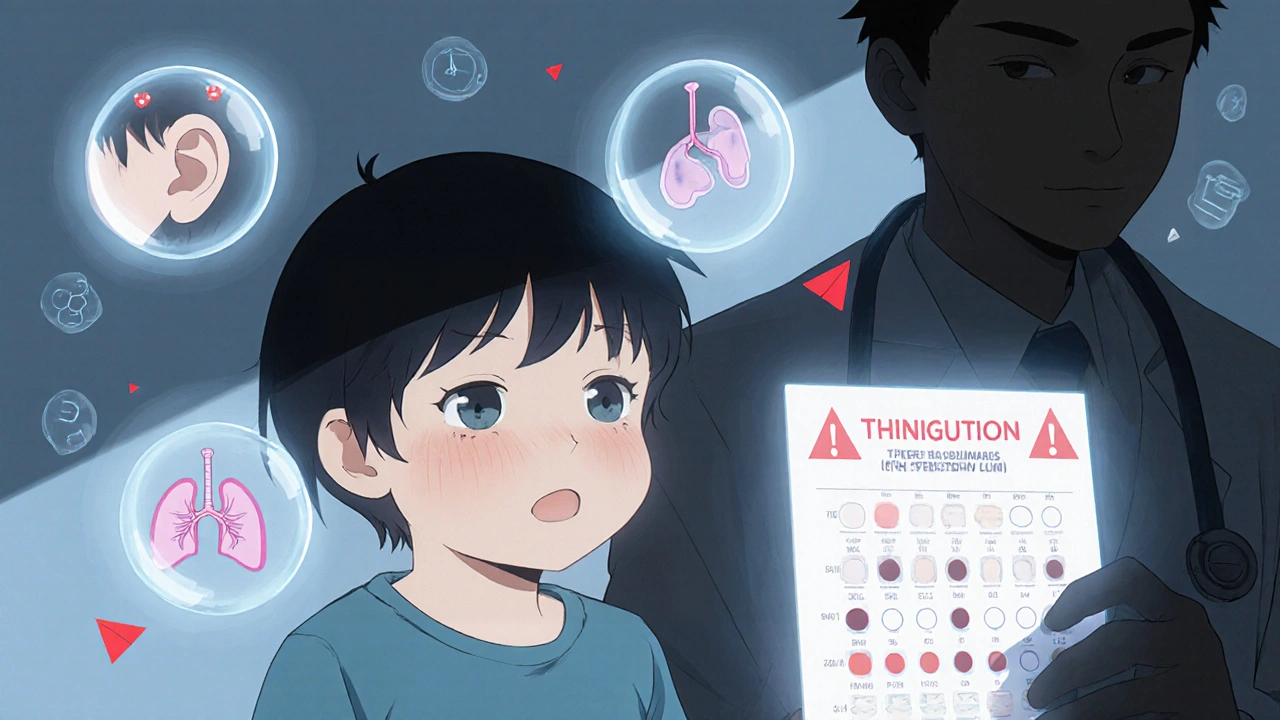
Recurrent infections can signal an underlying immunodeficiency. Learn the 10 red flags, how testing works, and why early diagnosis prevents lifelong damage. From ear infections to genetic testing, here’s what you need to know.