
Green Tea and Statins: What You Need to Know About Mixing Them
When you take statins, a class of cholesterol-lowering drugs like atorvastatin or simvastatin used to reduce heart disease risk, you’re likely focused on diet, exercise, and avoiding grapefruit. But what about green tea, a widely consumed beverage rich in antioxidants like EGCG, often used for weight management and heart health? It’s not just a soothing drink—it’s a bioactive compound that can interfere with how your body processes statins. Many people don’t realize that what seems like a healthy habit might quietly affect their medication’s effectiveness or increase side effects.
Green tea and statins don’t always clash, but they can. The main issue is how green tea affects liver enzymes, especially CYP3A4 and CYP2C9, which are responsible for breaking down many statins. If these enzymes slow down, statin levels in your blood can rise, increasing the chance of muscle pain, weakness, or even rare but serious damage like rhabdomyolysis. On the flip side, some studies suggest green tea might help lower LDL cholesterol on its own—so you might think it’s a natural substitute. But it’s not. It doesn’t replace your statin, and skipping your pill for tea could put you at higher risk for a heart attack or stroke. People who drink large amounts of green tea extract supplements (not just brewed tea) are at higher risk, especially if they’re also taking simvastatin or lovastatin.
It’s not just about the tea—it’s about your whole routine. If you’re on a statin and you’ve recently started drinking three cups of green tea daily, or you’ve begun taking green tea capsules for weight loss, that’s a red flag. The same goes if you’ve cut back on tea after years of daily drinking—your body’s metabolism of the drug can shift unexpectedly. Doctors see this more often than you’d think: patients come in with unexplained muscle pain, and it turns out they started a new supplement or changed their tea habit. The good news? For most people who drink moderate amounts of brewed green tea (1–2 cups a day), the risk is low. But if you’re elderly, have kidney issues, or take other meds like blood thinners or antidepressants, even small changes matter.
There’s no one-size-fits-all answer, which is why you need to talk to your pharmacist or doctor—not just Google it. They can check your specific statin, your dose, your tea habits, and your other meds. Some people can keep drinking green tea safely; others need to switch to white tea or limit intake. It’s not about fear—it’s about awareness. You’re already doing the right thing by managing your cholesterol. Don’t let a simple drink undo that. Below, you’ll find real stories and science-backed tips from people who’ve navigated this exact issue, including how to spot early warning signs, what alternatives work, and how to adjust without feeling like you’re giving up everything you love.
Herbal Teas and Medications: Potential Interactions You Need to Know
- Elliot Grove
- on Nov 12 2025
- 12 Comments
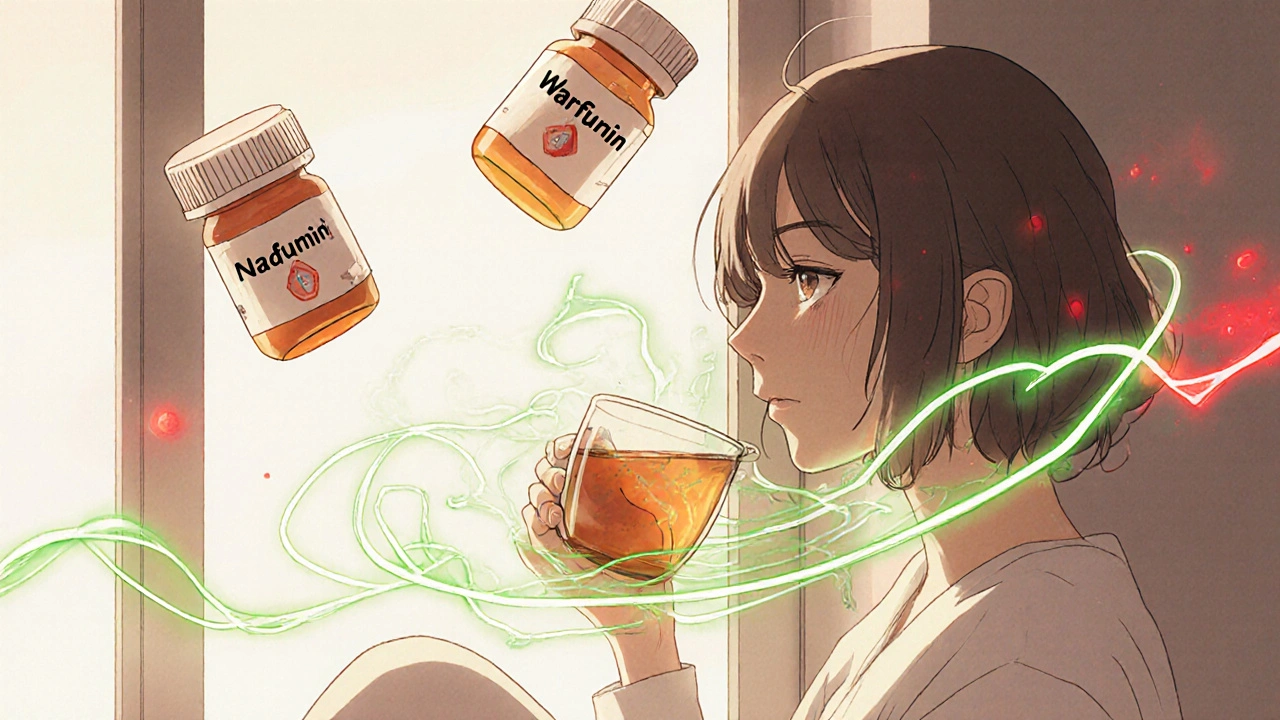
Herbal teas may seem safe, but they can interfere with medications like blood thinners, statins, and heart drugs. Learn which teas pose real risks and what to do before your next cup.